
How a neighborhood that said “No” to everything became one that says “Yes”
Ten years ago, Westwood was so divided that community leaders suggested seceding from Cincinnati.
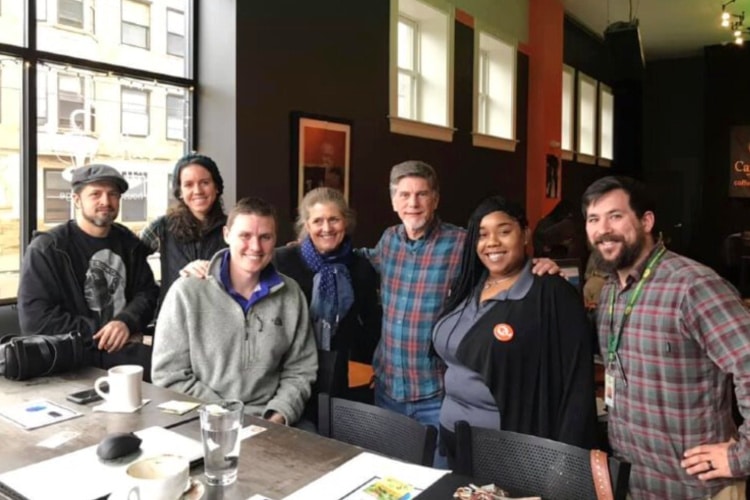
Soapbox Cincinnati and NKY thrives reported on five city neighborhoods including Walnut Hills, Covington, West End, Camp Washington, and Westwood continuously in the “On The Ground” series.
For each series, Soapbox gathered community residents, stakeholders, community councils and development organization partners to determine what stories the neighborhoods would like to tell. The community-shaped editorial calendar resulted in many of our favorite feature stories reported on between 2016 and 2020. There is genuine interest in urban communities that are often underreported and underrepresented in local media, especially during 2020, which was a year dominated by the national election, a pandemic and misinformation.
Soapbox hosted a weekly Community Open Newsroom in conjunction with the Walnut Hills series in the winter of 2020 headquartered at Caffè Vivace. Twenty-two neighborhood champions joined our live broadcasts hosted by Kathryne Gardette. Our Community Open Newsroom closed at the start of the nationwide COVID shutdown.
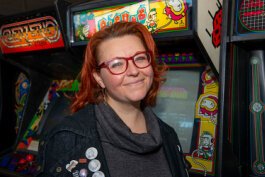
Ten years ago, Westwood was so divided that community leaders suggested seceding from Cincinnati.
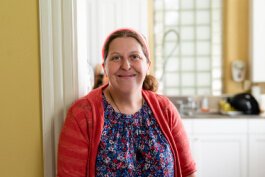
It didn’t happen overnight, but thanks to pre-existing asset maps of community services, residents created a bank of resources and ideas for maintaining community connections.

There are only about 25 Montessori High Schools in the country, with two in Cincinnati. West Side parents appreciate the child-led, self-paced, collaborative learning model offered through the program.
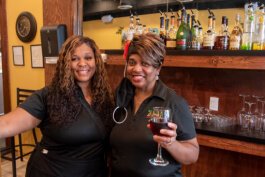
Local business owners set up shop, hoping to anchor the community’s development.
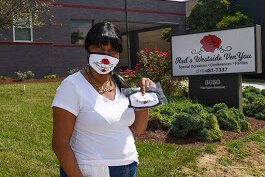
After years of being divided, the community is slowly becoming united.
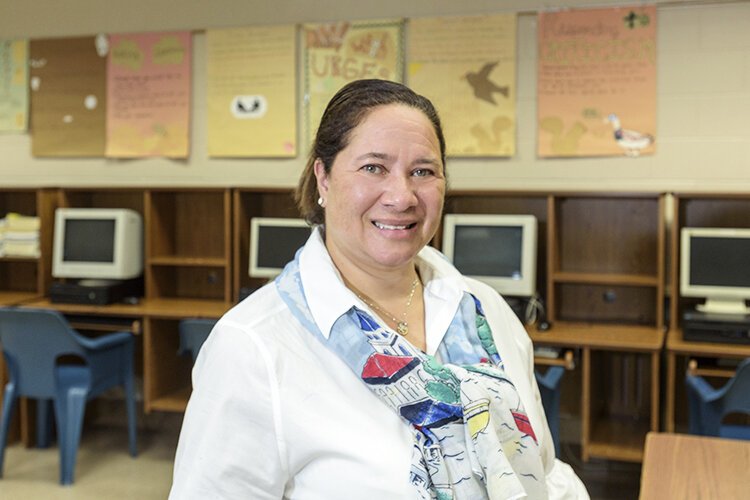
In many neighborhoods, gentrification leaves longstanding residents out of the occasion. But in this neighborhood, everyone is invited to have a seat at the table.
A hundred years ago, Camp Washington was one of the region’s largest hubs of industry, producing everything from pork products to steel casings. It also housed 12,000 residents, many of them making up the labor force that forged the “golden era” of Cincinnati’s economy in the early 20th century.
For those who have lived in the neighborhood since birth, there’s no other place to call home. And in the past few years, newer Campers are learning why.
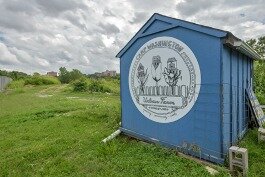
In this gritty, quirky neighborhood, citizens are working together from the ground up — literally — to invest in community development.

Younger people are buying houses and artists are moving their studios into the neighborhood, setting the stage for revitalization.
Our Partners