
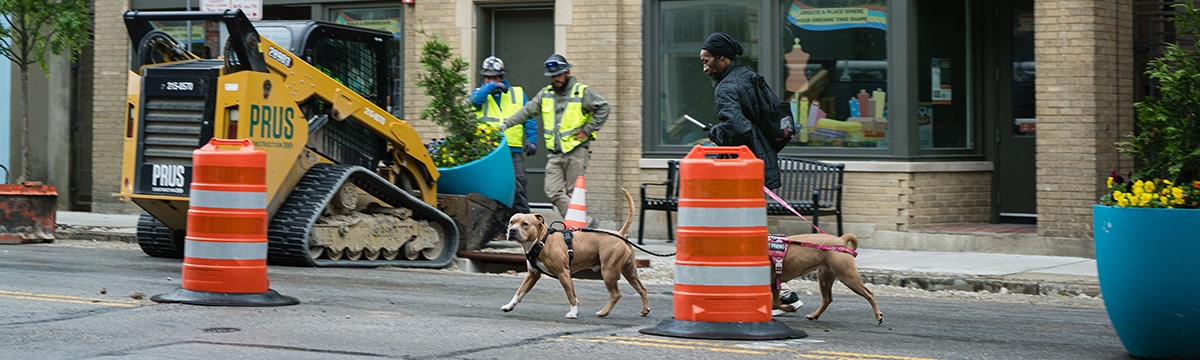
Six and a half acres on Considine Avenue in East Price Hill sat empty for nearly thirty years.
The land belonged to the Cincinnati Metropolitan Housing Authority. There were no development plans moving forward, no visible urgency around what it might become. Cars passed it. Children grew up around it. Organizations worked around it. The neighborhood continued living beside it as if vacancy itself had become part of the landscape.
That kind of emptiness can start to feel permanent. In Price Hill, people learned not to wait for permanence to arrive.
For decades, the neighborhood has carried a reputation that often arrives before anyone bothers to visit. Price Hill is called struggling, disinvested, rough around the edges. It is summarized through statistics, crime maps and shorthand. The conversation usually begins with what it lacks.
But neighborhoods do not become what they are through reputation alone.
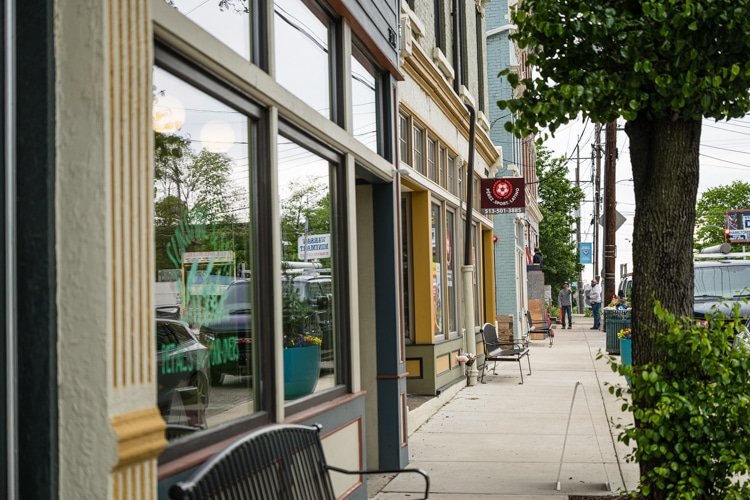
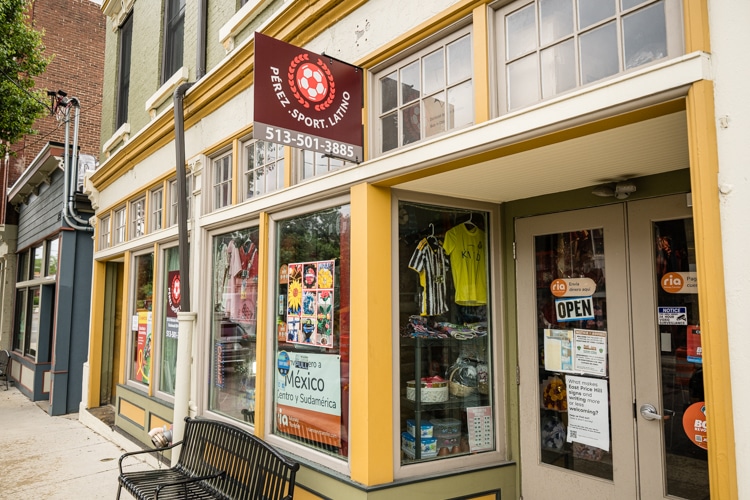
For much of the late nineteenth and early twentieth centuries, Price Hill grew as a working-class hillside neighborhood shaped by parish life, manufacturing jobs, and dense family networks. German and Irish Catholic communities built churches, schools, corner businesses, and social institutions that still shape the neighborhood’s physical landscape. Later came migration, displacement, and reinvention. Today the neighborhood includes longstanding white working-class families, a significant Black population, Appalachian families, and one of Cincinnati’s largest immigrant communities, particularly Guatemalan families, who have reshaped sections of the business district.
East Price Hill, West Price Hill, and Lower Price Hill each carry different demographics and histories, but together they form something more complicated than a single identity. Diversity here is not branding. It appears in churches and storefronts, in language, food, schools, and daily rhythms.
Like many American neighborhoods, Price Hill changed when industry changed. Manufacturing declined. Jobs disappeared. Population shifted. Investment followed outward suburban growth while older neighborhoods aged without the same attention.
Cincinnati did not invest evenly. Some neighborhoods received concentrated redevelopment efforts. Others were expected to survive with fewer resources and less visibility. Price Hill often existed somewhere in between. It was not abandoned, but it was rarely prioritized.
Residents speak about that history carefully, not as grievance so much as explanation. Decline did not arrive in one dramatic moment. It came through accumulation: deferred maintenance, aging infrastructure, absentee ownership, and narratives that flattened a complicated neighborhood into stereotype.
Over time, perception becomes policy. When enough people believe a place is struggling, fewer people choose to invest in its future. And yet, even while financial investment lagged, Price Hill continued building something else.
People knew each other here. Organizations collaborated instead of competing. Families shared childcare, watched blocks, organized neighborhood events, volunteered through churches, and showed up to community meetings. In some ways, Price Hill built a stronger sense of social infrastructure than neighborhoods with far more visibility and far more resources.
Many communities talk about connection as an aspiration. Price Hill often practices it as survival.
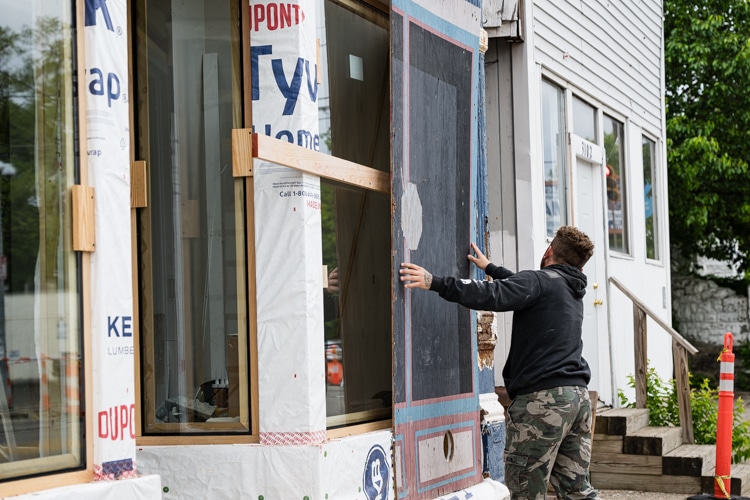
H.A. Musser, Jr. wants people to see what is already here.
H.A. Musser, Jr. leads Santa Maria Community Services, an organization that has worked in Price Hill for decades. Santa Maria began in 1897, initially operating in downtown Cincinnati and Over-the-Rhine before moving west in 1960. Since then, it has remained rooted in Price Hill.
For years, Santa Maria operated out of seven aging buildings spread across the neighborhood. Offices, food distribution sites, youth spaces, and family services existed wherever space could be found. Staff meetings for the full organization often took place elsewhere because none of the buildings were large enough to hold everyone.
This year, Santa Maria is preparing to break ground on its first purpose-built headquarters. The project sits on that long-empty lot on Considine Avenue.
It took years of planning, federal approvals, and fundraising. Restrictions tied to the land required permission from the U.S. Department of Housing and Urban Development. A $16 million capital campaign followed, supported through state funding, foundation investment, federal tax credits, and private donations.
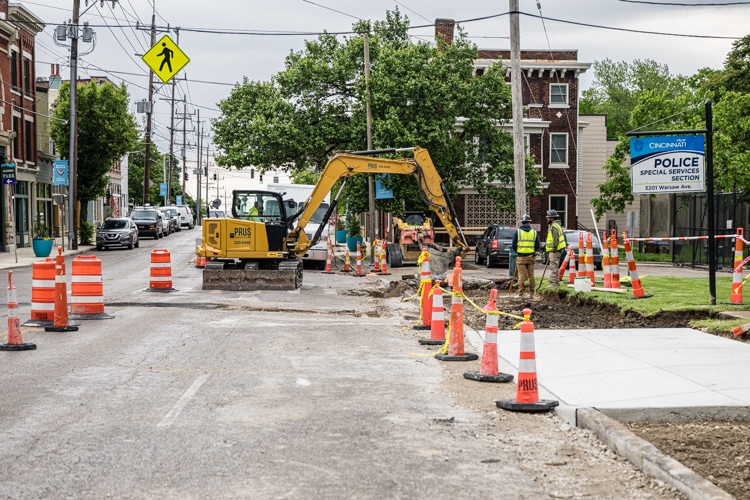
The new building will not simply centralize services. It will reshape how families experience them. A larger food pantry designed like a neighborhood market will replace cramped spaces. Partner organizations will rent offices inside the building so families can access legal aid, mental health services, and community resources without traveling across multiple locations.
Musser talks about Price Hill the way people describe somewhere they have learned deeply, not idealized. Every month he leads neighborhood tours, guiding visitors through architecture, parks, schools, historic homes, and views overlooking downtown. What he seems to be doing most is correcting a misunderstanding. He wants people to see what is already here.
That same tension sits at the center of Price Hill Will.
Greg Robinson did not end up in Price Hill by accident. He came to Cincinnati to study planning at the University of Cincinnati and eventually bought a home there before ever imagining he would work in the neighborhood. Today Robinson leads Price Hill Will, an organization founded around a simple idea: this neighborhood has the will to rebuild itself.
Robinson moved from Tulsa after years doing social justice work. Tulsa, Oklahoma is a city shaped by one of the most devastating acts of racial violence in American history. The Greenwood District, known as Black Wall Street, was a thriving Black community destroyed in 1921 by a white mob. Hundreds were killed. Thirty-five blocks burned to the ground. Robinson knows what Black community building looks like when it is allowed to take root. He knows what it looks like when it is not. What he found in Price Hill was a Black community in the process of building, quietly and without the infrastructure that would make that building visible to outsiders. That invisibility, he said, does not mean absence. It means the work is harder and the stakes are higher.
One of the first things that struck him was how many Black residents lived in Price Hill without the same visible cultural infrastructure often associated with historically Black neighborhoods elsewhere. Many Black families arrived after displacement from neighborhoods like Over-the-Rhine and the West End, carrying histories interrupted rather than inherited in place.
Robinson speaks openly about how difficult the work can be. Residents carry what he describes as a righteous frustration after years of feeling underrepresented, underfunded, and undervalued. That feeling does not disappear simply because money begins to arrive. People want investment. They also want reassurance that they will not be erased by it.
Price Hill knows what happens when neighborhoods become desirable too quickly. Over-the-Rhine is often part of that conversation. Once viewed as distressed, it transformed rapidly through redevelopment. Buildings were restored. Restaurants opened. Property values climbed. But many longtime residents struggled to remain.
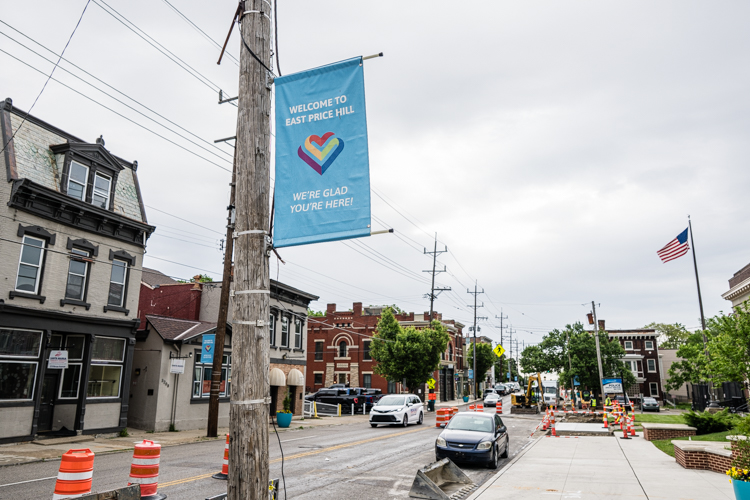
Price Hill is trying to move differently. The Warsaw Avenue Creative Campus represents a $13.5 million investment across six restored buildings along the neighborhood’s commercial corridor. Storefronts, housing, and minority-owned businesses now occupy spaces that once sat neglected. But Robinson insists cosmetic change alone does not determine whether a neighborhood truly benefits.
Housing matters more.
That is where Price Hill Will’s homesteading program enters the story. The organization rehabilitates neglected homes and sells them to families who cannot yet qualify for traditional mortgages. Instead of creating turnover, the program creates ownership. The strategy is deliberate. Development happens more slowly. Mixed-income housing remains central. Vacant lots become future housing opportunities rather than speculative land grabs. The goal is not simply to attract new residents. The goal is to ensure the people who carried the neighborhood through difficult years are still present when prosperity arrives.
Robinson often returns to a phrase carried through post-Katrina New Orleans by artist Brandan “BMike” Odums: “You tried to bury us but you did not know we were seeds.”
That question of who gets to stay sits underneath nearly every conversation happening in Price Hill. Community builder Danyetta Najoli approaches it from a different direction.
Najoli grew up in Harlem and built a career around a simple conviction: communities know what they need and deserve to be asked. Through her consulting practice, Najoli Learning Group, she has spent more than twenty-five years coaching individuals and organizations, with a particular focus on cultural humility and supporting neurodivergent communities.
Najoli remembers a woman she used to see walking through Harlem when she was young. She cannot remember whether the woman was going to work or returning from it. She only remembers how she moved. She floated.
There was something about the way she carried herself that suggested she existed beyond the limitations around her. The woman never knew Najoli was watching, but the image remained. It became part of why she believes people must show up for one another.
In Lower Price Hill, that belief became practical. Najoli collaborated with Community Matters to help build the Lower Price Hill Collective, a program rooted in the belief that belonging is not something you program into a neighborhood.
Outerspace, is a community space operated by Community Matters Cincinnati on State Avenue, that developed into a gathering place where neighbors make things together rather than simply receive services. People braid rugs from old T-shirts, create murals, host gatherings, and imagine what abandoned buildings could become.
They placed vinyl banners on blighted properties that read “I Wish This Was” and invited neighbors to fill them with sticky notes.
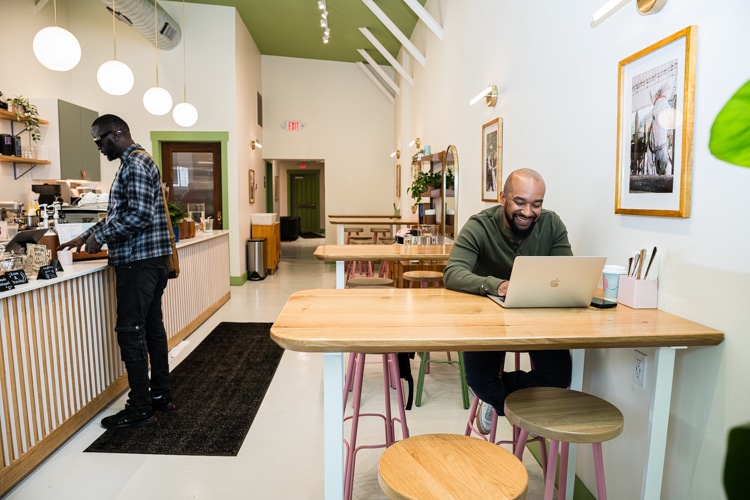
A coffee house. A little free library. A gathering space.
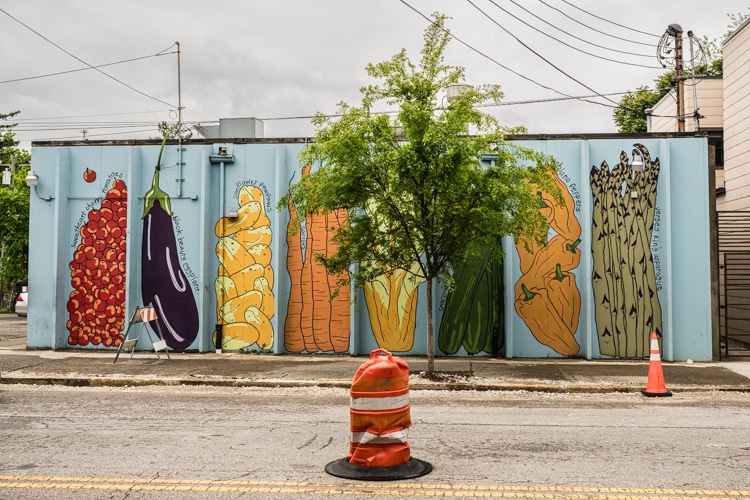
Art appears repeatedly across Price Hill. It exists inside the ARCO building, in murals, in community events, and in the quiet rituals that bring people into the same room. People who may never attend a formal meeting will sit beside each other making something.
Najoli often returns to the phrase “not doing for but doing with.”
It is a small distinction that changes everything.
That distinction shows up in the Guatemalan business owners who make up a significant portion of the Warsaw Avenue business district. After immigration raids sent fear through the community, keeping families indoors and businesses struggling, a group of women business owners organized publicly. They attended city council meetings, educated neighbors about their rights, and advocated for one another.
Nobody asked them to lead. They simply decided someone had to. It also appears in members of the Price Hill Safety Community Action Team, who have walked neighborhood streets for more than a decade. Not with badges or authority, but with consistency. They organize safety walks, talk with neighbors, and meet monthly with police officers, city officials, and county representatives to confront the neighborhood’s hardest challenges. Most of these efforts never become headlines. They happen gradually, through repetition and familiarity, through people learning each other’s names and continuing to show up even when progress feels uneven.
That may be one of Price Hill’s defining qualities. Community here is not aspirational language. It is something practiced.
The neighborhood carries contradiction comfortably. It contains deep roots alongside constant change, pride alongside frustration, visible growth alongside lingering caution.
It also carries memory. Residents remember what it felt like to be overlooked, when investment flowed elsewhere and public narratives narrowed the neighborhood into stereotype. That memory shapes how people respond to this moment.
The lot on Considine Avenue sat empty for decades, but the neighborhood around it never stopped moving. Families raised children. Organizations stayed. Businesses opened, struggled, adapted, and survived. The land may have waited. Price Hill never did.
The Resilient Neighborhoods series is made possible with support from a coalition of partners including The Port of Cincinnati, Warsaw Federal Bank, and the Common Good Alliance. Sustained Resilient Neighborhoods coverage will report on community-building in City of Cincinnati and Hamilton County neighborhoods spreading good ideas across the region.
Author

Related Articles
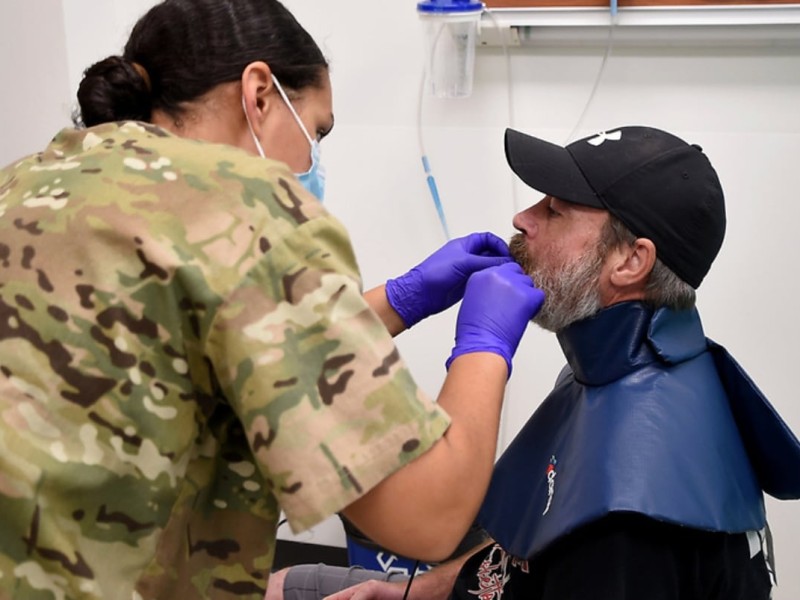
GuardCare partnership brings free healthcare to Ohio Appalachian residents
GuardCare provided free health services to nearly 500 Ohio residents, highlighting both collaborative solutions and persistent gaps in dental care.
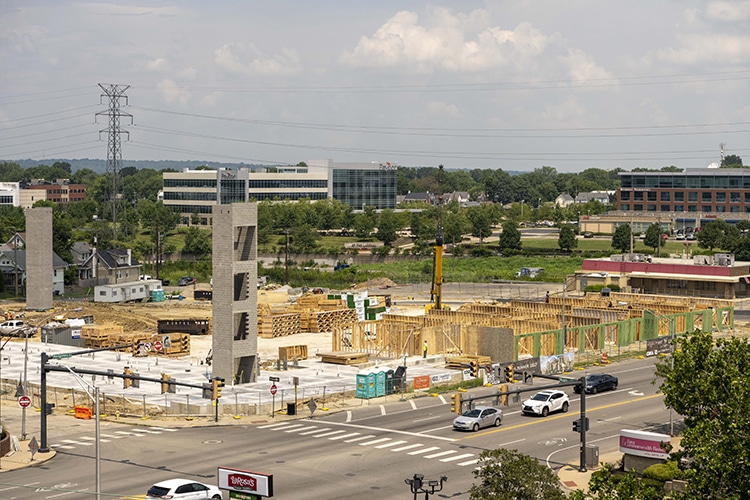
Who lives in our communities is changing. Housing needs to change with them.
The housing picture is complicated by changing demographics in the first-ring suburbs.
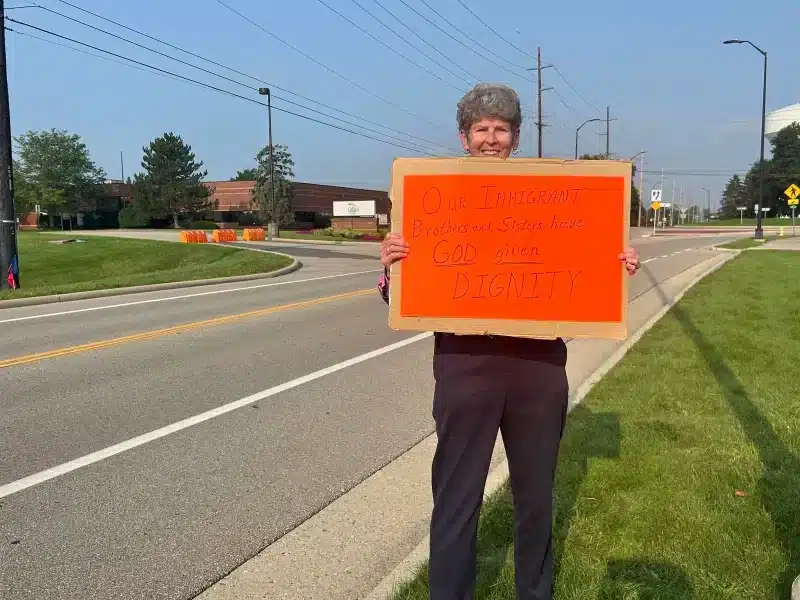
‘Even the nuns are mad’: Catholic sisters are standing for Haitians outside ICE offices
In Ohio, they’re playing a visible role among religious leaders who have been organizing demonstrations after mostly Springfield-area Haitian residents were summoned to report to immigration enforcement.