
An ambitious vision, the Triangle Trail would connect more than a dozen communities. It’s making progress.
The 42-mile path would improve access to recreational opportunities in communities through the Mill Creek Valley.
Forest Park was founded in 1956. After its incorporation as a village in 1961, and then as a city in 1968, Forest Park’s local government strove to ensure its continued diversity by making it an “open city.” Stringent laws were put in place that did not allow for any type of discrimination, particularly in housing. Featuring safe neighborhoods, abundant shopping and nearby workplaces, most Forest Park residents would not choose to live anywhere else. Forest Park is home to Winton Woods schools, which recently received a stunning, modern makeover.
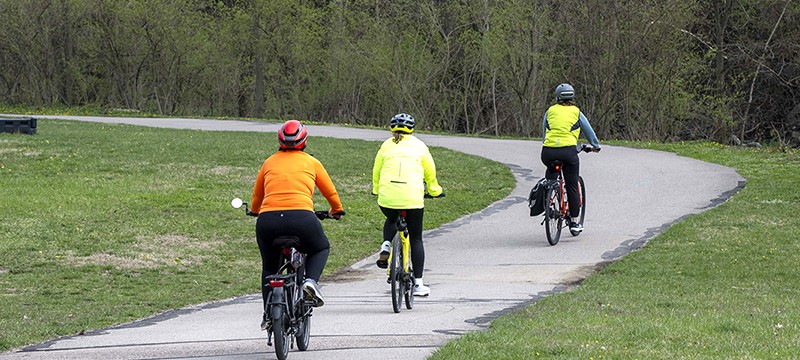
The 42-mile path would improve access to recreational opportunities in communities through the Mill Creek Valley.
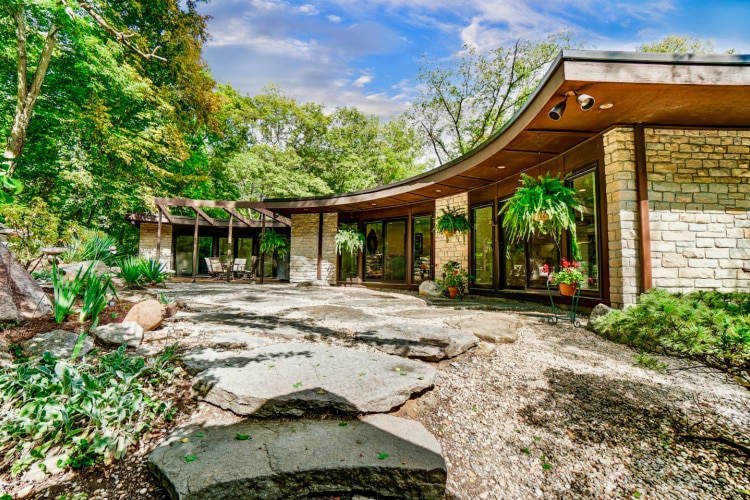
The nonprofit’s approach unites education, awareness, and working with other preservation associations to advocate for these unique structures.

After years of planning, the village leveled acres of tired retail space in the heart of the community, making way for a fresh start.
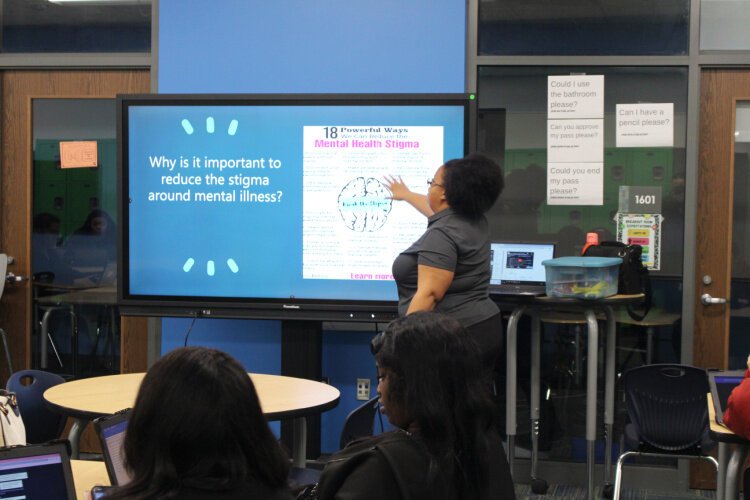
Professional therapists, counselors, nurses, and social workers introduce students to a growing field.
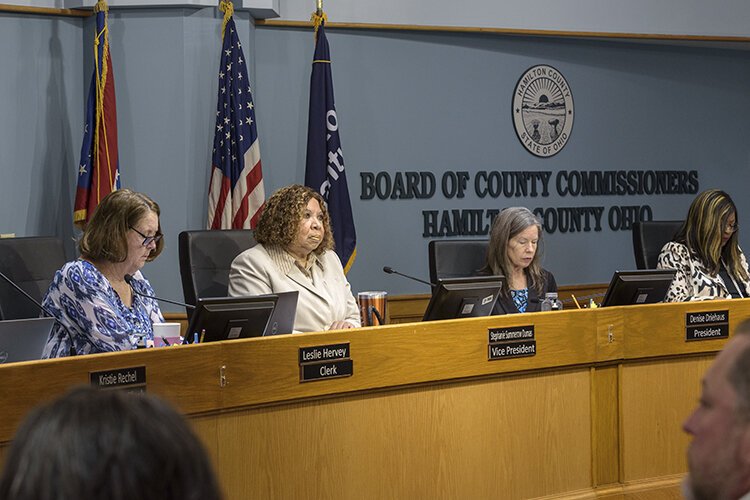
Stephanie Summerow Dumas' leadership experience in Hamilton County's first-ring suburbs gives her a unique perspective on their challenges.

Forest Park's ambitious redevelopment plans got a jump start from an unlikely source – the library.

This money went towards immediate, long-term, and transformational needs.

“Their last two years have forced them to shift how they socialize and how they learn,” according to Shane Tilton, advisor and associate professor of multimedia journalism at Ohio Northern University.

In this tale of two communities, Lincoln Heights and Forest Park tackle housing with diligence.
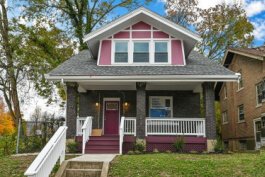
A proposed charter amendment will allocate funds to support the city’s most vulnerable population.
Our Partners