Cincinnati

Comprehensive plan asks kids “what kind of city do you want to live in?”

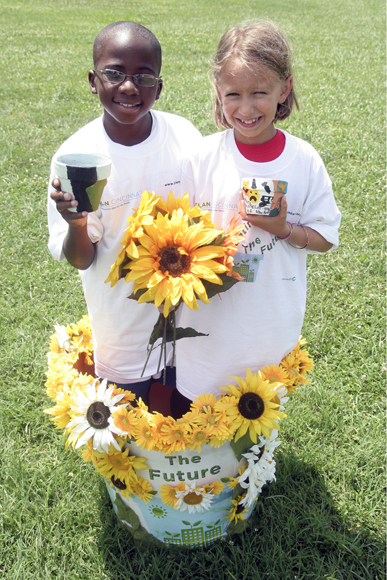
  Plan Cincinnati, the city's ongoing comprehensive plan process, is involving young people in a creative way. A program called "Planting the Future" asks children to voice their fears, hopes and dreams about the future of the city and its infrastructure. What they're telling city planners is providing helpful insight that planning officials say will guide the city's growth, protect the environment, and influence the future.The city's Department of Planning and Buildings initiated a contest for Cincinnati Public School students to paint flowerpots, write essays, create multimedia presentations, or create a visual art project that reflects their ideas about the type of city they want to live in."They are the people we need to hear from because they are the future," said Margaret Wuerstle, the Chief Planner of Cincinnati and leader of Planting the Future. "In 10 or 20 years, they are going to be in the position of living in the city, raising families, and opening business. Sometimes they seem to be the overlooked part of the comprehensive plan, but they think very different from a 45 year old person."Children expressed concerns through their projects, including the importance of transportation, cleanliness, creation of more parks, safety, and diversity. The pictures and words depicted on the flowerpots varied from project to project. Some students even managed to create solutions to their fears."We had a child paint pollution on the inside of the flowerpot and he then painted solar panels, trees, and wind turbines on the outside of the flowerpot," Wuerstle explained. "He came up with a solution to his fear, which was very impressive."In order to get the children to understand how to think about the city, Planting the Future used the analogy of a vacation. Students were asked to answer questions about different components of a vacation. For example, how will one travel, how much money will be needed, and what type of lodging does one desire? This allowed the students to start thinking about the city they desired, Wuerstle explained.Planting the Future hopes that the children will remember this project in the future and see some of their comments incorporated into the comprehensive plan. Wuerstle said that the city plans to exhibit the flowerpots with a milk and cookie reception. Future projects include involving the elderly by taking the project to assisted living residents and see the other side of the spectrum. Writer: Lisa EnsmingerPhotgraphy provided.
Latest in Cincinnati
Boys find help through horses at Campbell Lodge

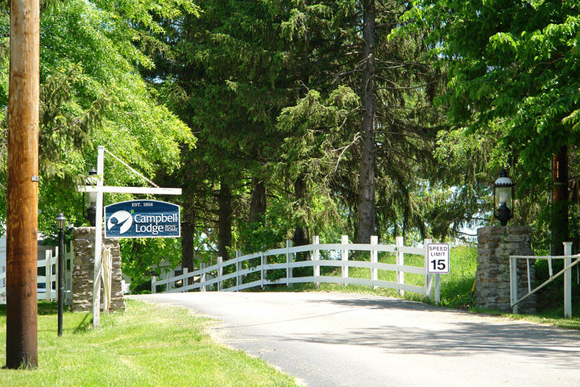
Steven was 11 years old when his emotional outbursts at school and at home led to a stay at Campbell Lodge Boys' Home, a 115-acre, year-round, residential treatment facility in Northern Kentucky. "He came in not able to trust adults or peers," says Barry Jones, executive director. Before he could learn to trust anyone else, Jones knew, Steven needed to trust himself. So, like every other young man at Campbell Lodge, Steven went to the stables. There, he encountered 1,200-pound horses, integral members of the facility's equine-assisted counseling program. After seven months, Steven learned to lead, ride and groom horses. At the same time, he learned to trust himself and his family. Now back home with his parents, Steven is one of hundreds of young men learning how to relate to people by working with other herding animals, horses. "It's experiential," Jones says. "Your feelings and thoughts come out within the exercises." As they lead horses through obstacle courses, young men deal with fear, frustration and issues of personal space. Working through problems with horses provides a model for working through problems in life outside the lodge's boundaries. Jones explains that equine therapy has been the primary focus at Campbell Lodge for six years, though last summer marked the groundbreaking of the equine center, which allows for year-round interaction between youth and horses. Residents learn quickly which of the six horses is most laid-back--that would be Buddy--and which is prone to bite--usually Scooter. "Traditional talk therapy was not always as effective as we wanted it to be," Jones says. Horses provide powerful physical metaphors for many problems that face residents, many of whom must confront a variety of mental health issues during their stay. Residents have to communicate with the horses and with each other to be successful at the Lodge, whether they are in equine therapy sessions, learning grooming techniques or volunteering to help children with disabilities enjoy time with the horses. Jones says the experiential therapy builds confidence and skills that residents carry with them once they leave the lodge. Do Good: • Fill a need. Whether you have a spare pool table no longer in use or the ability to donate lots of personal care items, Campbell Lodge will put items on its wish list to good use. • Have dinner out. The Lodge's annual Springfest, a fundraiser dinner and silent auction, happens March 5, 2011. • Donate online or join the e-mail list. Find out how you can best support this 53-year-old regional resource that now serves up to 25 young men at a time.

Peaslee Center spreads peace in Over-the-Rhine

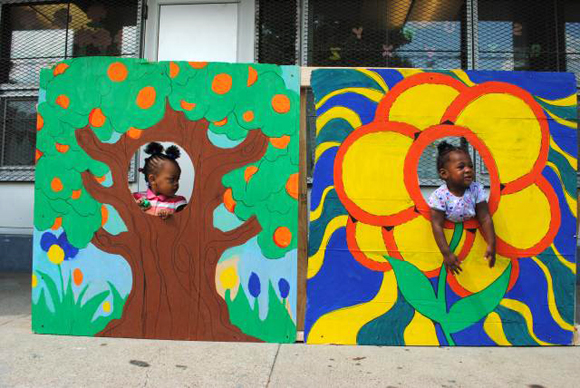
Eight years ago, Miss June arrived in Cincinnati with nothing but a copy of her teaching certificate and a few papers her mother had given her before she died. She had been sick. She had been threatened. And she was fleeing for her life. "I did not look like the polished person I was," says June, 50, who received her master's degree in art education and worked as a teacher in Alabama before she left the South for Cincinnati. After brief stints in local women's shelters, she landed in Over-the-Rhine. She marveled at the lack of self-respect she saw around her and bristled at the violence and disrespect. "I have spent so much time with stereotypes thrown at me," she says, her gravelly Southern drawl loosening as she relaxes into conversation. The daughter of a teacher and a preacher, June has a quick wit and low tolerance for bad behavior. She soon attracted the attention, and admiration, of Sister Mary, an outreach worker who suggested June visit the Peaslee Neighborhood Center. When June first walked inside Peaslee, she felt at home for the first time since her father was killed when she was just 9 years old. "It's more sacred than any church I've been in," she says. Peaslee, a former Cincinnati Public School building purchased by a group of female neighborhood activists in 1984, remains a valuable educational and cultural resource in the community. Neighbors and visitors sense the peacefulness of the space, where childcare, education and arts programs co-exist with the upstairs office space for a consortium of non-profits focused on social justice and human rights. June soon found a niche teaching in Peaslee's summer youth art program. Today, the artist who reveres the beauty of the Harlem Renaissance as well as the Renaissance Baroque has a lot to say about re-birth. She teaches art to infants and pre-schoolers. When they are too young to use fingerpaints, her tiniest students use food to express themselves. For the last three years, June has also been taking piano lessons at Peaslee, where students at the keys range in age from 7 to 70. For June, playing is about more than keeping her brain alive. "This is another voice I have to speak for those who cannot speak for themselves." Now a fixture at the center, June composed "The Peaslee Song" and performed it at a recent fundraiser for the non-profit. She looks forward to a spring of new programs, new faces and new ways to spread her message of personal empowerment and peace to all who will listen. Do Good: • Get your hands dirty. Email to help prepare Peaslee's Edible Schoolyard Garden for spring the morning of Saturday, March 12. • Connect on Facebook. Join Peaslee's page to keep up with the latest news and events. • Be creative. You can donate funds online, or look through Peaslee's wish list for some creative options, like glue sticks, gardening tools and paint brushes.

Media Bridges hiring two, expanding services

Since the late '80s Media Bridges services have evolved as the city's public and educational access media provider. Starting as Cincinnati Community Video, it's gone from a primarily television based organization to one that specializes in a spectrum of media services from radio to web.Since the late '80s Media Bridges services have evolved as the city's public and educational access media provider. Starting as Cincinnati Community Video, it's gone from a primarily television based organization to one that specializes in a spectrum of media services from radio to web.Media Bridges is now evolving into a new phase, expanding its services to its nonprofit and governmental clients, and hiring two new staff to help implement them.At the helm of these changes is newly hired Director of Nonprofit Services and Education, James Czar. Czar comes to Media Bridges from the private sector as a creative director for a local video production company and a manager of communications for nonprofit Enjoy the Arts."When this opportunity came up, I had to seriously consider it. I truly believe in the mission of Media Bridges offering free access to media for the public and helping them to express themselves. It's a wonderful mission," Czar.Media Bridges is in the process of offering a new suite of services including some specialized media training courses that will be available for a fee. They're hiring a web design developer and an account manager to help offer these services. The organization will continue to offer its free services, he said."We're not going to lose the core of our mission, offering free classes and education. However, with the expansion of nonprofit services, we can have some purposeful and revenue generated growth that can fund what we do as part of our mission for free," Czar said.All the details of what exactly will be offered and when are close to being worked out, but they will be based on client needs. They include certifications in software and hardware as well as other computer and IT classes, audio, video and web design."It will be an extension of what we already do … we're working with clients to identify all their needs," Czar said, adding that new services should be announced within the next month.Writer: Feoshia HendersonSource: Media Bridges Director of Nonprofit Services and Education James CzarYou can follow Feoshia on twitter @feoshiawrites Media Bridges is now evolving into a new phase expanding its services to its nonprofit and governmental clients, and hiring two new staff to help implement them.At the helm of these changes is newly hired Director of Nonprofit Services and Education, James Czar. Czar comes to Media Bridges from the private sector as a creative director for a local video production company and a volunteer for nonprofit Enjoy the Arts."As a volunteer, everything you do is about helping people. So when this opportunity came up, I had to seriously consider it. I truly believe in the mission of Media Bridges offering free access to media for the public and helping them to express themselves. It's a wonderful mission," Czar.Media Bridges is in the process of offering a new suite of services including some specialized media training courses that will be available for a fee. They're hiring a web design developer and an account manager to help offer these services. The organization will continue to offer its free services, he said."We're not going to lose the core of our mission offering free classes and education. However, with the expansion of nonprofit services, we can have some purposeful and revenue generated growth that can fund what we do as part of our mission for free," Czar said.All the details of what exactly will be offered and when are close to being worked out, but they will be based on client needs. They include certifications in software and hardware as well as other computer and IT classes, audio, video and web design."It will be an extension of what we already do … we're working with clients to identify all their needs," Czar said, adding that new services should be announced within the next month.Writer: Feoshia HendersonSource: Media Bridges Director of Nonprofit Services and Education James CzarYou can follow Feoshia on twitter @feoshiawrites

Modifications open doors for neighbors in need

The military veteran, confined to a wheelchair, hadn't left his Madisonville home in six years. Most days, he watched videos and depended on others to bring him food and other household needs. He couldn't afford to have a ramp added to his home, a job that can cost about $5,000. Then he learned of a service called Modifications for Mobility, part of the non-profit People Working Cooperatively. PWC constructed a ramp for his home, where he could then live more comfortably and with more stability. "It opened up the world to him," says Kim Sullivan, PWC's manager of marketing communications. Sullivan says Modifications for Mobility works with people of all ages, from children born with disabilities to seniors trying to remain independent. She notes one young client who was born with defects that will keep him in a wheelchair for his entire life. Modifications to his home included turning the first-floor family living room into his bedroom, adding a washer and dryer to the first floor and installing a wheelchair-friendly shower. The job made it possible for the family to function with less stress on a single floor. Modifications for Mobility jobs also include changes to bathrooms and kitchens so that family members with disabilities can function. Costs for these kinds of renovations can range up to $10,000 for a single bathroom, Sullivan says. A bathroom may need a wider door to accommodate a wheelchair, a higher toilet seat and grab bars for independent transfers. In kitchens, residents may need counters and cabinets lowered, appliances rearranged and floor plans reconfigured for maneuverability. "This keeps the most fragile neighbors in their homes," says Sullivan. "It helps the entire neighborhood." She notes that an aging population means that more low-income residents are in need of changes to their homes that they can't afford. The average PWC client earns $13,000 a year. "There's not much left over for utility bills or home repairs," Sullivan says.In 2010, PWC completed 13,000 home modifications, an increase of more than 11 percent from the year before. As demand continues to grow, PWC continues to provide emergency and critical home repairs, as well as free weatherization, for the region's most vulnerable residents. Do Good: • Buy a brick. Celebrate PWC's 35th anniversary and be a part of the walkway to their Bond Hill offices for as little as $50. You can even use PayPal. • Learn a skill. Attend one of PWC's monthly training sessions or apprentice with a pro, then use your skills during a PWC volunteer project. • Connect on Facebook.

ConnXus.com aims to boost supplier diversity through the web
The Latest Wave of Immigration Comes to OTR

Over-The-Rhine has always served as a port-of-entry for immigrants in Cincinnati. Now out-of-town professionals are the latest wave choosing to live in the neighborhood for its character, community and opportunity.

Cincinnati Palace’s Jose Salazar best new chef

 Jose Salazar, chef at The Palace, ranked as one of Food & Wine's Best New Chefs of the Great Lakes. A graduate of the New York Restaurant School, Salazar is known for reinterpreting humble ingredients in brilliant ways. His must-try dish is his French onion soup with cipollini onions stuffed with caramelized Vidalias and topped with Gruyère crisps.Read the full story here.

City identifies streetcar stop locations, anticipates development along the route

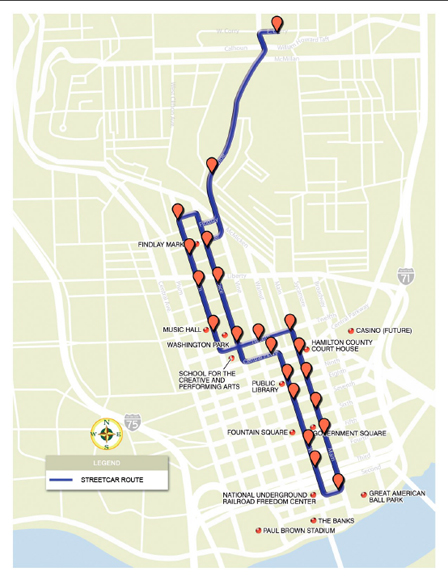
The City of Cincinnati is one step closer to beginning phase one of a streetcar system that will connect the Banks and downtown with Uptown and the University of Cincinnati. Locations of 21 stops along the 4.9 mile streetcar route have been determined and include ten stops in downtown, ten in Over-the-Rhine, and one in Uptown. City engineers and staff as well as representatives from Metro (buses and the streetcar will share several of the stops) and local business owners determined the locations. The first loop of the streetcar is expected to carry 6,000 people per day and stimulate a $3-to$1 return on investment for the local economy. The stops along the route were spaced two-to-three blocks apart for functionality, greater accessibility and to maximize economic development. Studies indicate that streetcars generally promote development 2-3 blocks from the line itself.According to City spokesperson Meg Olberding, the stops are "strategically placed to connect areas of downtown and Uptown to promote development…as development grows and other stops are needed, they can be added." That development includes rehabilitation of existing structures along the route for residential and commerical opportunities, as well as new construction."There are 92 acres of surface parking alone that could be redeveloped for a higher and better use. There are stretches of Vine up near Findlay Market especially that are also ripe for redevelopment efforts - storefronts, living spaces, and businesses," Olberding said.Findlay Market in Over-the-Rhine stands to benefit from the convenient access downtown workers will have to the Market on a weekly basis, as well as from new residents that the streetcar could bring to the neighborhood. In addition, it could also enhance the Market experience for customers by adding new and unique businesses, according to Corporation for Findlay Market President, Robert Pickford."The new and prospective vendors we're dealing with are aware of the streetcar and the positive impact it will have on the Market and there have been a couple of recent real estate transactions that I am certain were influenced by the streetcar. I think this will increase significantly if the remaining uncertainty about the streetcar ameliorates," Pickford said.In Uptown where the streetcar will reach Clifton Heights and Corryville, Matt Bourgeois, Director of Clifton Heights Community Urban Redevelopment Corporation, sees the stop at University Plaza as complimentary to the ongoing work CHCURC is undertaking in the neighborhood. The restoration of Old St. George Church and concurrent construction of an adjacent boutique hotel, and a five-story office and parking structure in the stretch of land between Calhoun and McMillan are just some of the planned developments at this important gateway to the University and Hospital community that will benefit."It is going to go right by the doorstep of two of our larger projects. How great to come up the hill and see this 130 year old church restored to its former glory? " he said. Bourgeois added that a contemplated future Uptown transit hub would also connect with development occurring further down Calhoun, and help fill available commercial space along the street."Once people see track being laid it will pick up steam," he said.Writer: Sean Rhiney

Give Back Beyond takes Cincinnati good deeds across the globe

Give Back Cincinnati is one of the region's largest and most successful volunteer organizations. With more than 5000 YP members, it's most known for its massive one-day and weekend events where hundreds of people at a time go to Cincinnati neighborhoods cleaning, painting and fixing up deserving homes.But a smaller group of dedicated do-gooders aren't content with lending a helping hand only to fellow Cincinnatians. They're members of Give Back Beyond, a domestic and international volunteer program, in partnership with overseas chapters of Habitat for Humanity. Give Back Beyond started five years ago, with the first of what has become an annual trip to hurricane devastated New Orleans. From there, the group traveled further, with recent trips to Guatemala and Romania. For the first time this year, Give Back Beyond will be heading to Vietnam and has plans to go to Ghana."I first got involved with Give Back Cincinnati a few years ago through going to some of their social events, then I got involved with volunteer events," said Megan Lobaugh, who's organizing this year's Guatemala trip in April. Then she found out about Give Back Beyond."I love to travel. Any opportunity I have to travel, especially internationally, I try to take advantage of it," said Lobaugh, a radiological engineering grad student at the University of Cincinnati. Lobaugh's first Give Back Beyond trip was to Romania.She'll travel with at least a dozen other YPs to Xela, a large city to the Northwest of Guatemala City. While there, the group will build brick and mortar homes and visit a school members' sponsor in partnership with a local anti-poverty charity Cooperative for Education.They'll also get some down time, visiting Antigua's open air markets and shops."It's a great tourist city," she said.Give Back Beyond is still taking applications for Guatemala. You can find out more about the organization, or apply here. The cost for the Guatemala trip is approximately $1,400, which includes a $500 donation to Habitat for Humanity.Writer: Feoshia HendersonSource: Megan Lobaugh, Give Back Beyond member You can follow Feoshia on twitter @feoshiawrites

Our Partners

Taft Museum of Art

Common Ground Is Brewing

Support local stories and receive our signature roast straight to your door when you join at the Standard level (or above).

Drink Better, Read Local

Close the CTA

Don't miss out!

Everything Cincinnati, in your inbox every week.

Close the CTA

Already a subscriber? Enter your email to hide this popup in the future.