
From constitutional amendment to access
A conversation with journalist Amanda Becker and PPSWO ACT’s Nan Whaley about the forces influencing reproductive rights today.
When Ohio voters amended their constitution to protect reproductive rights, many assumed the most urgent battles were behind them. Instead, the conversation shifted.
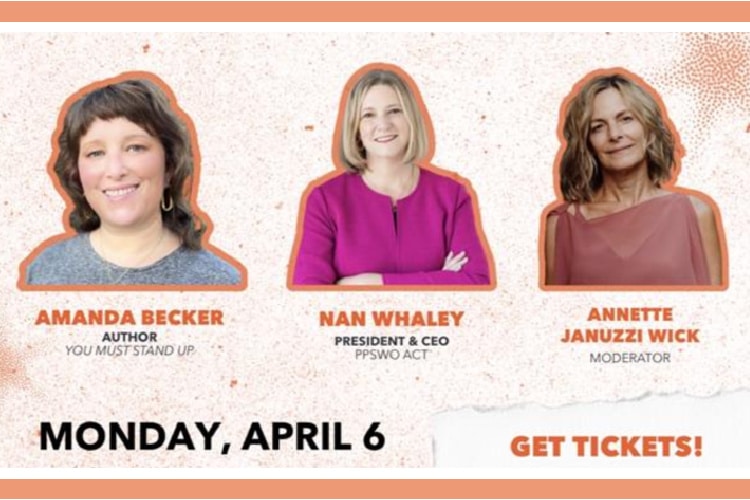
On Monday, April 6 at 5:30 p.m., two figures central to that evolving landscape will take the stage in downtown Cincinnati. Nan Whaley, president and CEO of Planned Parenthood Southwest Ohio and former mayor of Dayton, and Amanda Becker, national reporter for The 19th and author of “You Must Stand Up: The Fight for Abortion Rights in Post-Dobbs America,” will participate in a public conversation moderated by Cincinnati writer Annette Januzzi Wick. The conversation is a response to the post-Dobbs upheaval that reshaped abortion access nationwide and a look at what comes next.
The amendment established a legal framework. Whether it translates into consistent, accessible care depends on how it is implemented. Legal protection does not automatically mean accessible care.
Research published in the American Journal of Public Health indicates that even before Dobbs v. Jackson Women’s Health Organization, abortion access in Ohio was geographically uneven, with residents outside major metropolitan areas often traveling significant distances for care. After Dobbs, near-total abortion bans in neighboring states such as Kentucky, Indiana and West Virginia intensified demand on Ohio clinics, turning cities like Cincinnati into regional access hubs.
In the weeks following the Supreme Court’s decision, clinics across the region scrambled to interpret new restrictions while patients navigated a patchwork of laws that shifted rapidly from state to state. Those shifts were not abstract.
For someone already carrying the weight of a complicated pregnancy or a sudden medical diagnosis, the added burden of travel is not logistical. It is emotional. It is physical. It is immediate. The decision itself can be overwhelming, and every additional mile adds pressure. Lost wages, child care arrangements and delayed appointments compound the strain. When care requires hours on the road, constitutional language alone offers little comfort. In those moments, access depends on whether the system holds.
That gap between law and lived experience is what Whaley and other organizers say must now be addressed through sustained civic and legal engagement.
With the launch of PPSWO-ACT, its 501(c)(4) advocacy arm, Planned Parenthood Southwest Ohio is stepping more fully into the policy arena, focusing on elections, legislative accountability and voter engagement around reproductive healthcare. Unlike its healthcare arm, the 501(c)(4) structure allows the organization to engage directly in political advocacy.
Abortion access in Ohio has not been static. In recent years, legal battles have threatened clinic operating agreements in Dayton and Cincinnati, prompting court injunctions to keep facilities open. During her 2022 gubernatorial campaign, Whaley referenced those fights as evidence that access in Ohio often depends on sustained civic and legal engagement. Her transition from municipal leadership to advocacy reflects an understanding that constitutional protections alone are not self-executing.
Becker brings a national perspective to that conversation. As a journalist who has covered Congress, the White House and U.S. elections for more than a decade, she has documented how abortion rights battles have reorganized at the state level since the fall of Roe. In interviews about her book, she has described the fall of Roe as a turning point not only for healthcare policy, but for American politics itself.
“I knew that would not only be a healthcare story, but I knew it would also be a massive political story. I think it is probably the biggest political story that will happen in this country in my career,” she told Nieman Reports.
Ohio’s amendment was closely watched nationwide, not only because it passed, but because of the coalition that formed around it. The next phase depends on whether that engagement continues beyond a single ballot measure.
Public conversations, like the April 6th event, are part of that effort. Organizers say sustained rights require sustained participation, not only from advocacy groups, but from residents who want to better understand how state and local decisions shape healthcare access in their communities.
Across Ohio and neighboring states, many organizations frame their mission as supporting mothers and families. Much of that work focuses on helping someone carry a pregnancy to term. Building and protecting reproductive healthcare infrastructure is a different kind of labor. It involves policy advocacy, legal vigilance and electoral accountability to preserve choice under shifting political conditions.
For some Ohioans, the amendment felt like closure. For others, particularly those navigating high-risk pregnancies or time-sensitive medical decisions, it remains a safeguard, not a guarantee.
When someone is confronting a medical crisis, the question is rarely ideological. It is immediate. Can care be accessed in time?
What: You Must Stand Up: A conversation about the current state of abortion access and reproductive rights.
Who: Featuring author and journalist Amanda Becker and president and CEO, PPSWO Nan Whaley, moderated by Cincinnati writer Annette Januzzi Wick.
When: Monday, April 6, at 5:30 to 7:30 p.m.
Where: OTR Neighborhood, Cincinnati, OH
Tickets are available through Planned Parenthood Southwest Ohio ACT. Register now to reserve your spot.
This event has been made possible by PPSWO-ACT, with additional support from Roebling Books & Coffee and Soapbox Cincinnati.
Author

Related Articles
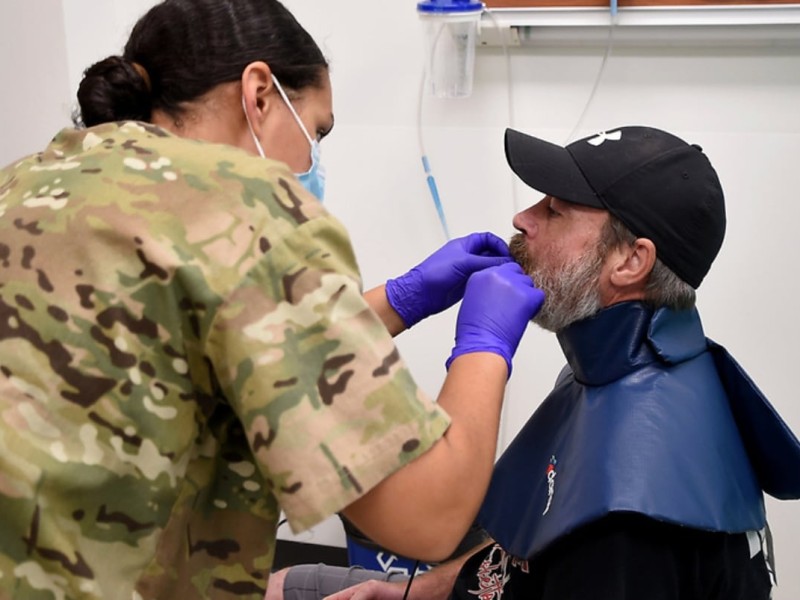
GuardCare partnership brings free healthcare to Ohio Appalachian residents
GuardCare provided free health services to nearly 500 Ohio residents, highlighting both collaborative solutions and persistent gaps in dental care.
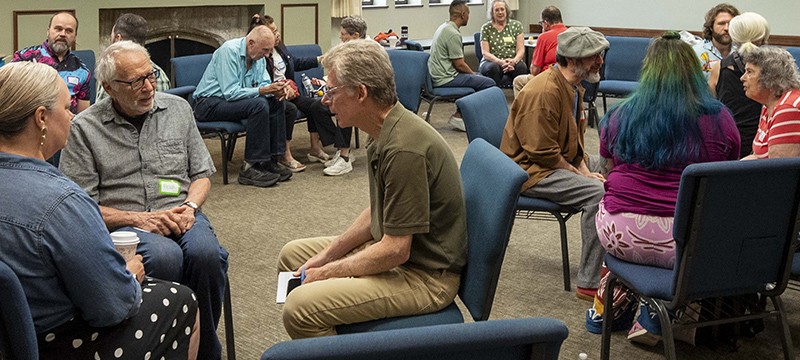
A not-so-radical idea to build healthy communities: Talk to the neighbors
Social capital – those connections that create and empower communities – is on the decline. But neighborhoods can restore it.
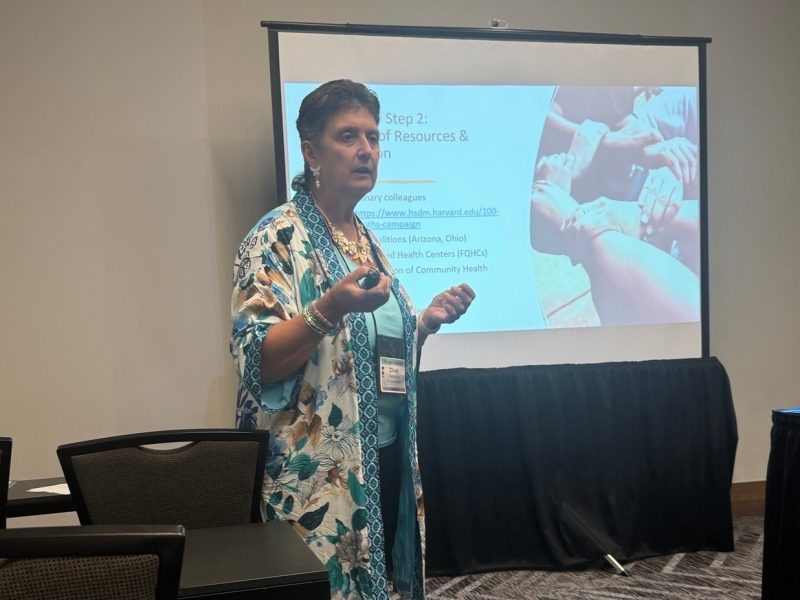
Primary care providers help expand oral health access through national training initiative
The 100 Million Mouths Campaign trains primary care providers to identify oral health concerns, expanding access and improving patient care beyond dental offices.