
Cincinnati technology talent stands out in Next25
The inaugural Next25 list from Ohio Tech News underscores local reputation as a hub for startup talent and technology innovation.

Cincinnati’s growing technology and startup ecosystem received regional attention as six local innovators were named to Ohio Tech News’ inaugural Next25 class of 2025 in December. The program recognizes emerging leaders shaping the future of technology across Ohio, from startup founders to engineers and community builders driving new ideas in software, artificial intelligence, logistics and digital infrastructure. For Cincinnati, the representation reflects a broader trend that has positioned the region as a rising hub for innovation in the Midwest.
The six honorees from the Cincinnati region include leaders working across multiple sectors of the tech industry, highlighting the diversity of ideas and businesses developing in the area. From software consulting firms to logistics startups and artificial intelligence ventures, the list offers a snapshot of the region’s evolving technology landscape.
A focus on how technology serves people
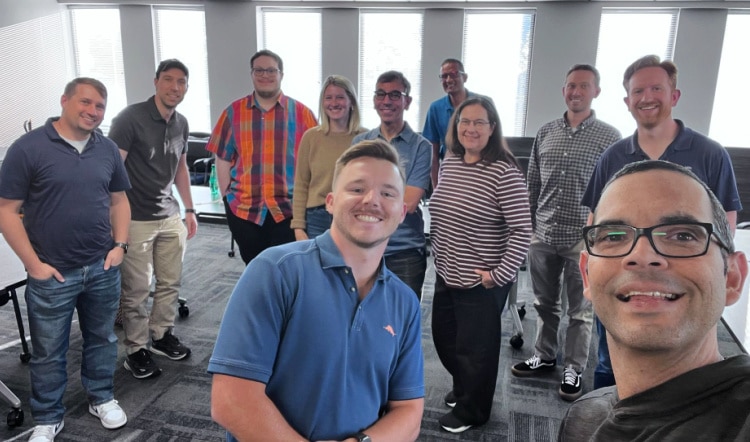
For Brian Adams, longtime software developer turned technology leader as CEO of Cincinnati-based Seven Hills Technology, the recognition reflects a career built on understanding not just how software is written, but how it serves the people and organizations using it.
Founded in Cincinnati, the company focuses on helping organizations build custom software products and digital platforms. Adams said many traditional software projects struggle because development teams and clients often approach problems from different perspectives.
“The problems I see can always be boiled down to misalignment between development teams and clients,” he said. “Software development teams often stray too technical, often times over engineering things or just taking orders and implementing requirements into code.”
Instead, Adams said successful projects often come from questioning assumptions and identifying the simplest solutions to complex challenges.
That approach has become increasingly relevant as new tools reshape the industry. Adams said the rapid rise of artificial intelligence tools and coding assistants could fundamentally change how software teams operate in the years ahead.
“Much of agile software development has been based around the constraints that writing code is a time consuming and expensive task,” Adams said. “Now that it’s substantially quicker and cheaper to write code, a lot of the things we’ve deemed best practice over the last 20 years in modern software engineering are going to be upended.”
Beyond building software, Adams has also been active in strengthening Cincinnati’s technology community through meetups, workshops and leadership forums.

“Cincinnati is the place that I’ve called home for the last 14 years,” he said. “I want Cincy to be an amazing place to not only live, but a place where we can create amazing opportunities for people currently and in the future.”
Adams pointed to the region’s universities, particularly the University of Cincinnati’s cooperative education program, as one of the biggest drivers of the city’s growing tech talent pipeline.
“In my opinion, UC’s co-op program is still the best way to create value from a college degree,” Adams said. “It quite literally changed my life.”
When asked about the direction that Ohio’s tech space is heading in, Adams said there is still work to be done.
“We have to continue building and retaining talented, smart people. One of the reasons that the coasts are so strong in a technology sense is because they have a high concentration of motivated, talented people that are in close physical proximity to each other. This spurs innovation at a really rapid pace. Ohio is getting there but we still have work to do.”
An unexpected opportunity in the logistics space
Another Cincinnati honoree, Connor Paton, represents a new generation of founders building technology companies while still early in their careers.
Paton launched Noshable, a grocery logistics platform designed specifically for the vacation rental market, while he was still a student at Miami University. The idea originally began as a capstone project aimed at improving access to groceries in underserved communities.
As the team began testing the concept, they noticed an unexpected opportunity.
“While food insecurity is a massive issue, the people who were most willing to adopt a new solution quickly were actually travelers and vacation rental guests who wanted easier access to groceries when they arrived somewhere new,” Paton said.
The company eventually pivoted toward the travel market, allowing vacation rental guests to order groceries ahead of their arrival so that food is stocked when they check in.

“Instead of landing somewhere and spending the first hour of your vacation at a grocery store, you walk into a stocked fridge and can start enjoying your trip right away,” Paton said.
As the company expanded into new markets across the country, Paton said scaling logistics proved to be one of the biggest challenges.
“Once you start expanding nationally, everything becomes more complicated,” he said. “Different retailers, different markets, different property managers, and different timing constraints.”
Building the infrastructure to coordinate deliveries across multiple locations required the company to blend software with operational logistics, something Paton said is often overlooked in technology startups. “Logistics companies often look like software companies from the outside, but a lot of the real work is operational,” he said.
Paton is also involved in Tembo, a startup focused on using artificial intelligence agents to help engineering teams automate tasks such as debugging, code review, and operational monitoring. He believes AI will reshape how software teams work, particularly as developers begin delegating tasks to automated agents that run continuously in the background.
“As the models continue to improve, I think running hundreds of tasks in parallel in the cloud will become a new standard of work,” Paton said.
For both Adams and Paton, Cincinnati’s collaborative startup culture has played a role in building their companies. Paton said one of the region’s greatest strengths is a community that values building sustainable businesses rather than chasing trends.
“Cincinnati has a surprisingly strong startup community,” he said. “It’s a place where experienced operators are willing to help founders, and where people care about building real businesses, not just hype.”
Adams agreed, noting that the combination of talent from local universities, access to enterprise companies, and a relatively low cost of living creates opportunities that can be difficult to replicate in larger tech hubs.
“Building strong relationships benefits everyone,” Adams said. “It’s a great way to learn from a variety of different people with different backgrounds.”
As Ohio Tech News’ Next25 list highlights emerging leaders across the state, the presence of multiple Cincinnati innovators reflects the city’s expanding influence in Ohio’s technology economy and its ability to attract entrepreneurs working across industries ranging from software development to logistics and artificial intelligence.
Author

Related Articles
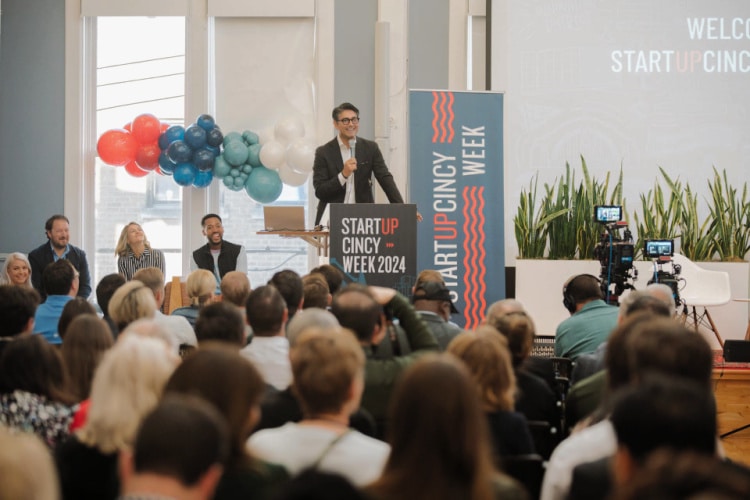
StartupCincy Week marks a decade of building Cincinnati’s startup community
The event returns in October with a bigger footprint, more programming, and proof that Cincinnati’s startup ecosystem has grown without losing community-driven spirit.
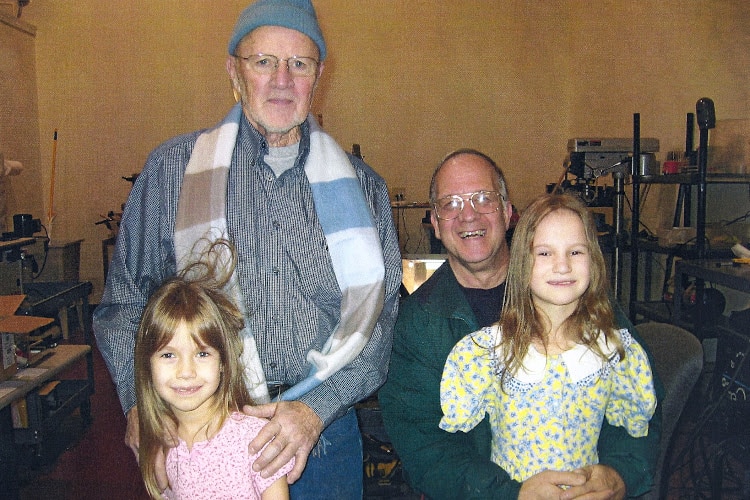
May We Help is solving everyday mobility challenges one person at a time
Three guys named Bill had an idea.

Flywheel Impact Catalyst Midwest: Moving beyond conversation and into action
As Flywheel marks more than a decade supporting purpose-driven ventures, its new event aims to bring founders, funders, and community leaders into one conversation.