
In Middletown, data indicates a steadily improving housing market
An historic-home restoration specialist, a new-construction homebuilder, and a rental landlord offer their perspectives on housing opportunities.
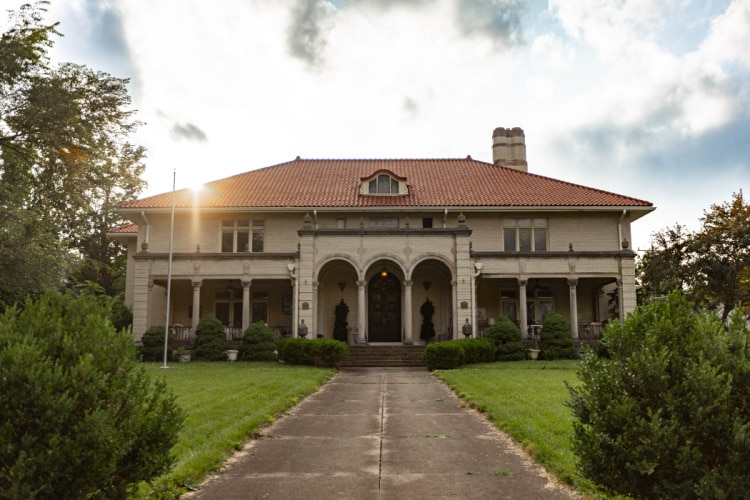
A home is where you raise children, where family and neighborly bonds are forged, where you look at your front window and mark the seasons, years, and accomplishments that have made your time on this earth count. A house is merely the hardscape of bricks, mortar, siding, windows, etc.
Moreover, housing doesn’t exist as an isolated barometer of a connected, vibrant community. The property taxes derived from housing provide cities with revenue that is essential for investment in local schools, government services, infrastructure, and countless other civic functions.
Media reports have reflected a volatile housing market nationwide. However, in Middletown, data indicates a steadily improving housing market. According to Redfin, a real-estate brokerage and Rocket Companies subsidiary, the median sale price of homes in Middletown in May 2023 was $171,500. After enduring market dips in early 2024 and the end of last year, the composite sale value grew to $214,871 in May 2024.
Redfin reported 184 homes sold in May 2026, a slight increase over last year. Predictably, the sales volume dips during fall and winter. The average number of days on the market (DOM) has ballooned to 52 days, indicating that buyers are able to be more selective in their investment in a home, a far cry from the single-day DOM counts of mid-2023. For the last several years, sale prices have hovered around near 100% of homes’ list prices, measuring 98.7% in May 2026. The old maxim of “make your first offer at 80% of list price” no longer applies.
Redfin data further indicates that word about affordable homes being accessible in Middie City has spread. During the fourth quarter of 2025, people moving from Dayton represented the highest number of movers to Middletown, tallying 2,194. Interestingly, New York City ranked second, with 682. Columbus and Louisville ranked third and fourth, respectively, with just over 200 migrating to Middletown in that period. Curiously, Cincinnati did not rank in the top 10. Redfin’s analytics suggest that those who left Middletown were much lower in number and chose to retire to a warmer climate. The top four move-out destinations were Cape Coral, FL (81); Sarasota, FL (66); Hilton, Head, SC (36); and Tampa (34).
Against a backdrop of positive development, an historic-home restoration specialist, a new-construction homebuilder, and a rental landlord offer their perspectives on Middletown’s housing.
Old school in Middie City
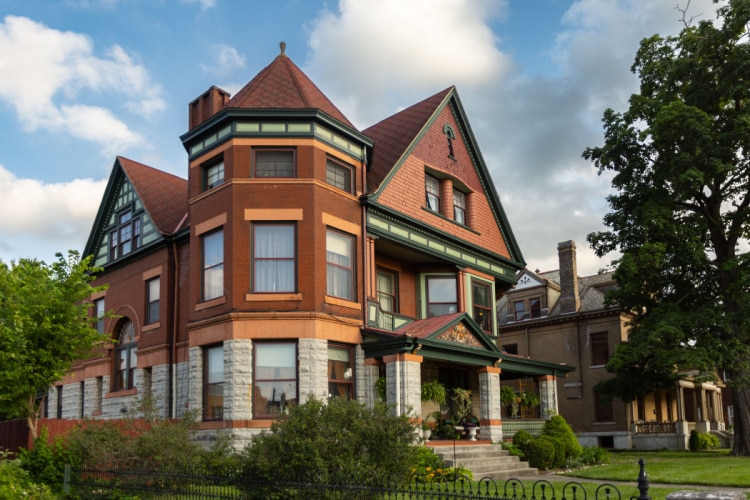
Middletown was first settled in 1791, incorporated in 1833, and officially designated a city in 1886. It has withstood the Great Flood of 1913 and other risings of the Great Miami River (a recently completed water-collection basin will help remedy this) in addition to the ravages of time and volatile Midwestern winters. Many of its historic homes have been preserved thanks to the civic pride of its residents.
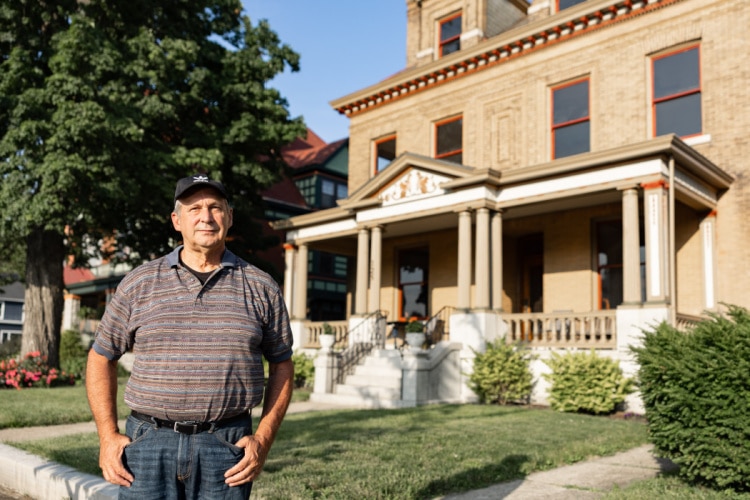
Middletown native Marty Kohler is one of the proudest. He earned a degree from Ohio State in urban planning and progressed through a career as a city planner for Park Forest, Ill., Middletown, Lebanon, Colerain, and other regional cities and townships. It could be said, however, that his true passion entails restoring historic architecture. From his first home purchase after graduation, Kohler has serially renovated the homes he’s purchased and then sold his home to pursue his next reno adventure.
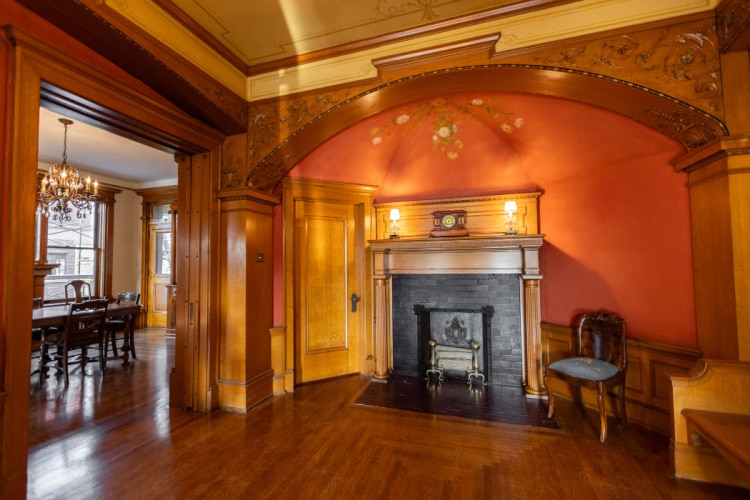
His current project, which he plans to sell, is located at 125 S. Main St. It was built in 1896 in what Kohler describes as a “Classical Revival, early Arts and Crafts style.” George Shafor, who served as plant manager for Paul J. Sorg’s tobacco factory, built the home and was its first occupant. Like many of his historic-home purchases, it was a rescue mission.
“The house had been vacant for 15 years, and someone else had purchased it at a sheriff’s sale,” Kohler said. “The buyer wanted to gut it, remove the stained glass and all of its original architectural features, and turn it into a low-income rental.”
He credits the city with enforcing the Shafor home’s presence within a historic district and issued a stop-work order and facilitated a sale to Kohler in 2023. Then the exhaustive work began. Repairs were made to the original slate roof, wiring, plumbing, and HVAC were entirely renovated, exterior trim rehabbed, and seven stained-glass windows restored. For many, stained-glass windows is an esoteric lost art. Fortunately, Kohler had taken classes taught at BeauVerre Studios in downtown Middletown and applied his skills to restore the home’s luster.
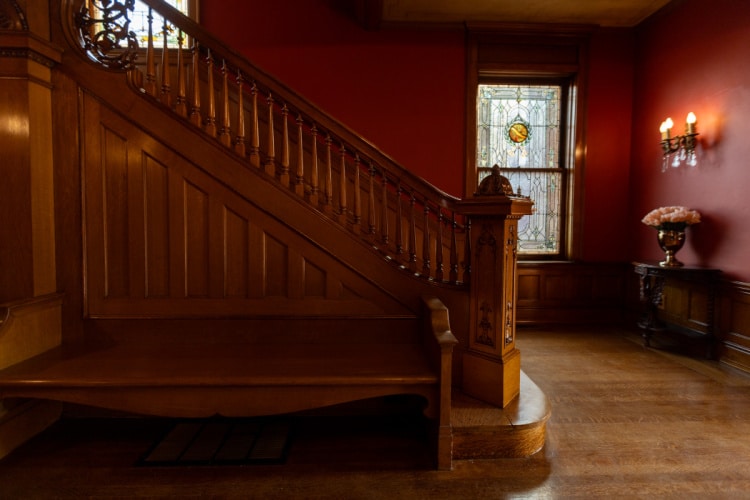
Kohler spared no details in restoring the Shafor house to its erstwhile glory. He noted replacing the structure’s more than 300 corbels (ornate brackets installed where walls and roofs intersect) by creating a cast that enabled the fabrication of PVC replicas more efficiently and cost-effectively than the original hammered metal.
Inside, the natural woodwork of the roughly 4,700-sq.-ft. home was breathtaking, with seven fireplaces, abundant carving work, and each room fashioned in a different material. The library was fashioned from mahogany, the dining room built with oak, and the living room constructed with bird’s eye maple. Kohler’s diligence brought the intricately carved walls, floors, and accents back to their original luster.
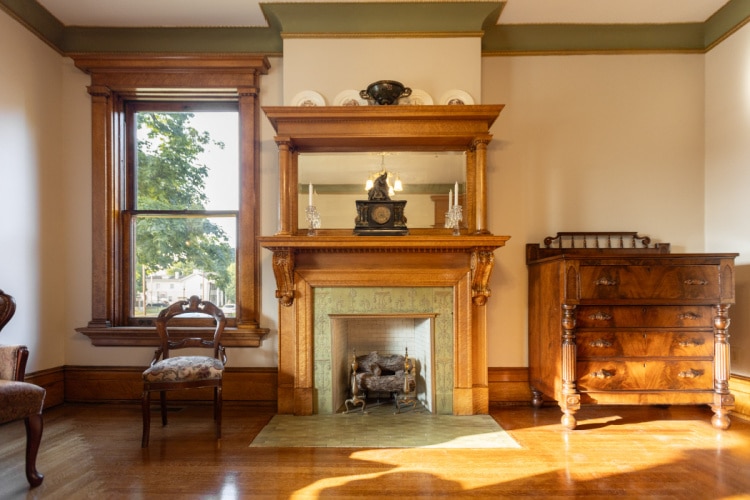
“For a period, the house was converted to American Red Cross offices, with faux drop ceilings, carpet, and paneling,” Kohler said. “But, after stripping it all away, the wood underneath was still in pretty good shape.”
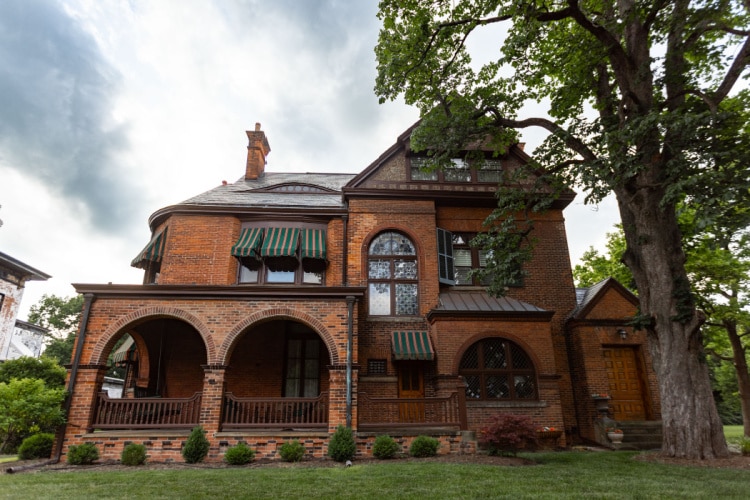
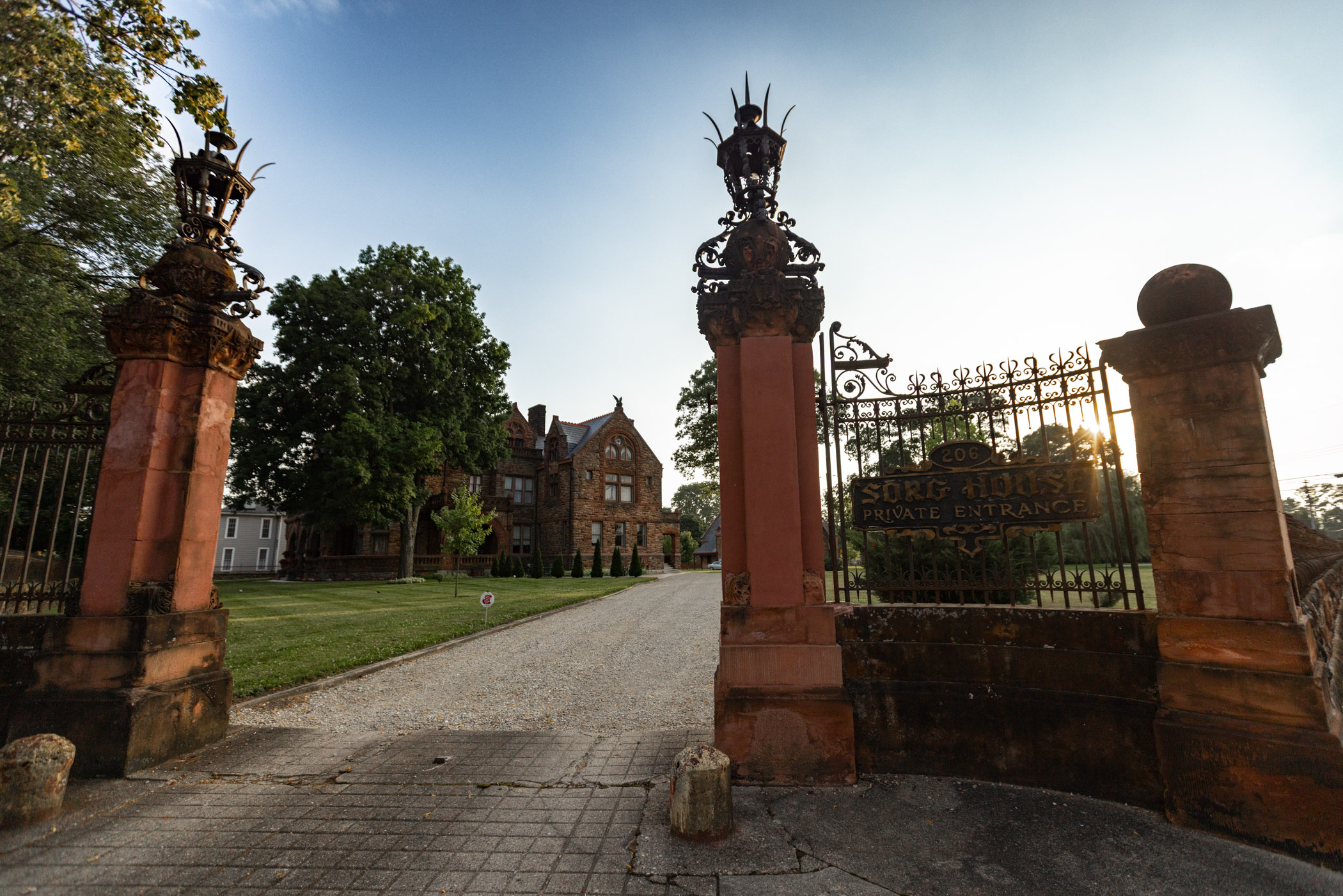
Numerous other historic home enthusiasts have undertaken their own renos. Nancy Romero has supervised the renovation of several South Main historic homes, many of which are designated on the National Register of Historic Places. Mark and Traci Barnett invested more than $1 million to renovate the Sorg Mansion, built in 1887 and the city’s most iconic historic property, to its former glory.
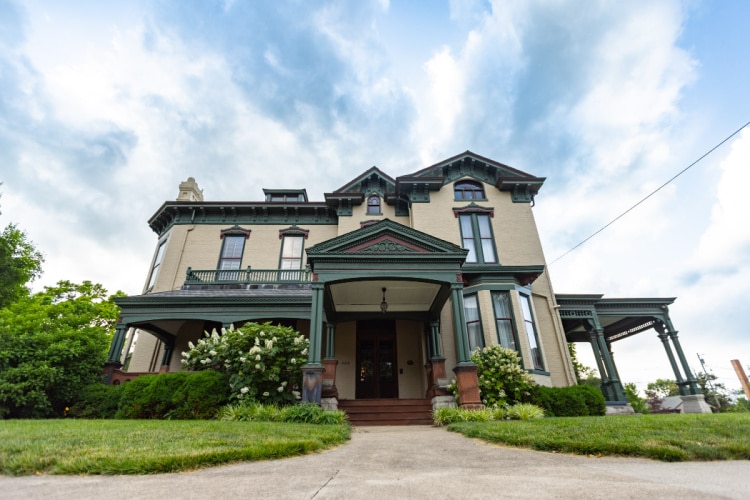
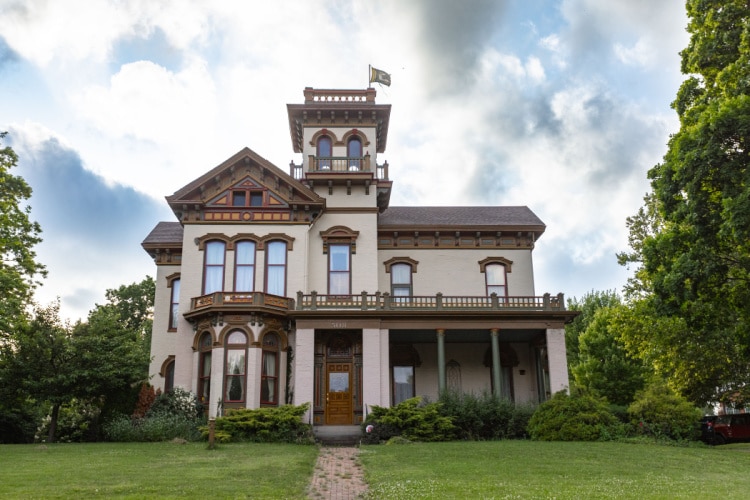
Kohler loves 125 South Main, but he’s content to sell it and retain his home down the street at 508 S. Main in his 1872-built Italianate manse that spans nearly 8,000 sq. ft. And he might even smell the roses for a while.
“I’m proud of the work I’ve done, but this was a challenging job and I’m going to take a break,” he said.
Building for the future
Brandon Homes is a second-generation, Middletown-based homebuilder that constructs residences regionally from Cincinnati to Dayton. Phillip Brandon, the firm’s principal, noted the company’s vested interest in their hometown.
“The city is near and dear to our heart,” he said. “Several staff members are Middletown natives, are we’re proud to partner with the city and are invested in city’s success and infusing a positive contribution to Middletown’s housing stock.”
Regarding general housing trends’ impact on the Middletown market, Brandon said that he perceives a balanced market that has stabilized in the wake of a turbulent market that vacillated between scarce inventory that triggered overpaying buyers and gluts of post-COVID inventory that subjected sellers to lowball offers.
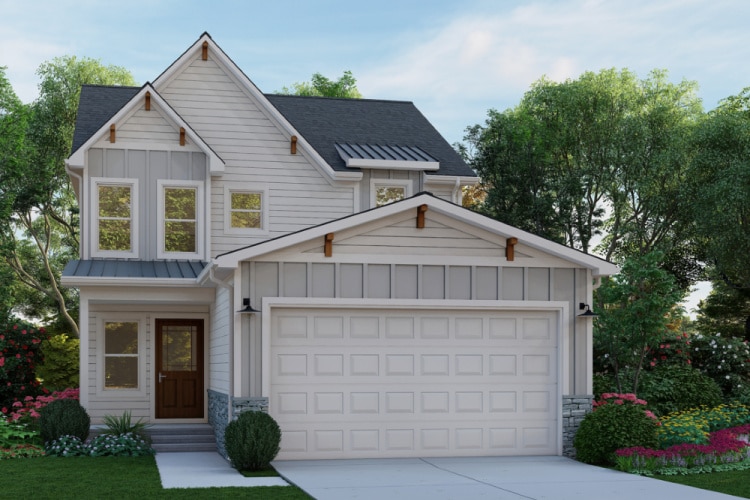
Within the houses Brandon Homes is building, Phillip noted that “mill houses” are popular with those living in and moving to Middletown. This is a reference to the style of three-bedroom, one-bath homes that were commonly built within Middletown to accommodate the steel and paper mill’s workers and managers. He noted that many of today’s buyers demand modern conveniences such as smart appliances, high ceiling, abundant closet and cabinet space, and plentiful full bathrooms that facilitate owner comfort.
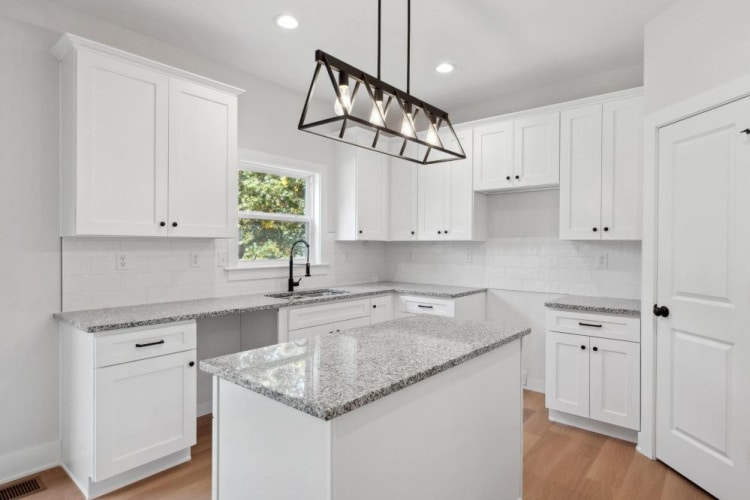
Brandon Homes is building Middletown Homes at The Preserve at Roosevelt, which is within close proximity to I-75. The firm offers five floor plans, which range from the mid- to high $300K range ranging from roughly 1,400 to 1,900 sq. ft., and are customizable based on desired amenities. According to Brandon’s website, two of the 20 available lots have been sold.
“I’m very bullish on Middletown’s future,” Brandon said. “The city is a hidden gem. It’s long been said that Cincinnati and Dayton would one day connect, and I think Middletown’s growth will play a role in engaging both cities on the I-75 corridor. Renaissance Pointe, a [proposed] new arena, the Towne Mall project, downtown’s development, its parks, its culture melting pot, there’s so much happening here.”
Other elements that are key in Brandon’s prognosis for community growth include the community’s strong educational offerings, such as innovative vocational training offered through Butler Tech, as its aviation-educating program partnership with Middletown’s airport, its well-equipped healthcare facilities, and its manufacturing base that remains vital even amid national challenges to that sector.
A prime example of partnering with the city is to develop in-fill housing for the former Roosevelt School site at 2701 Central Avenue. The school was built in 1929 and served as an elementary or junior high facility until 2008, then demolished two years later. Brandon Homes initiated a public/private partnership to create additional single-family housing within the city. Groundbreaking will occur this fall in the construction of 20 new homes.
‘There are a number on in-fill housing opportunities within Middletown,” Brandon said. “Maybe a home has burned down, or a developer’s work was left incomplete. Adaptive reuse projects can play a role in helping propel Middletown’s growth. There are opportunities for synergy.”
Brandon also said that, complementarily, a sizeable segment of Middletown’s population is looking to downsize to low-maintenance, multi-family condos and townhouses. He noted that this mirrors other area neighborhoods experiencing impactful growth, such as Mason and Anderson Township.
‘You don’t need to have a big home for a good living experience,’ Phillip said. “With growing demand and infrastructure costs, such developments are a good path to home ownership.”
Rental market challenges
According to Point2Homes.com, there are 9,670 renter-occupied units within Middletown, compared to 11,262 owner-occupied units. Zillow.com notes that, as of June 9, the average monthly rent in Middletown is $1,195, a $96 year-over-year increase. By comparison, Cincinnati’s average rent is $1,400, and Dayton’s is $975. Zillow rates Middletown’s rental market as “cool,” signifying modest demand and solid supply.
Endemic challenges in the housing market abound. According to Harvard University’s Joint Center for Housing Studies, 49% of tenants spend 30% of their income on rent, and 26% of renters spend more than 50%. This financial strain often traps renters in a perpetual cycle of tenancy and makes homeownership untenable. Many rental properties are owned by distant landlords who don’t sufficiently maintain aging properties, which impairs tenants’ quality of life and helps perpetuate the rental trap.
And, while multifamily-dwelling construction has slowed, units earmarked for affordable housing face a heightened shortfall. According to RentCafe.com, only 12.6% of rental units under construction are designated as affordable housing. Funding mechanisms to help subsidize them, such as low-income tax credits, grants, and bonds complicate the process, and lengthier approvals and labor-wage stipulations raise costs.
In Middletown, Shane and Brandon Scott, who operate The Slice at 1300 Central Avenue, have been investing in community properties since 2017. They also own rental properties in Middletown, primarily along the Central Avenue corridor. Through acquisitions and renovations, Shane estimates the brothers have invested approximately $2 million in their Middletown holdings.
Initially, Scott said they made their apartments available to the Butler County Metropolitan Housing Authority because tenants too often failed to pay beyond the first month’s rent and security deposit. Now, occupants are mostly found through advertisements and social-media posts.
Disaster struck on March 2 when a fire occurred at 1720 Central. The conflagration caused more than $800,000 worth of damage, with demolition required for 1720 and extensive renovations needed for the remainder of the block. Due to complications around issues with city-sewer access on the block, the Scotts weren’t able to insure the property, and they’ve lost their community-reinvestment-area tax-abatement grant. The calamity has reduced their rental inventory to eight properties.
“There’s the huge cost of the renovation, and the loss of $8,500 in monthly revenue, which could bankrupt our company,” Shane said. “The city needs to do more to collaborate with small developers. I think it’s their hope that one large developer with one grand plan will undertake its entire downtown, but that’s highly unlikely to happen.”
This Partner City Middletown series is made possible with support provided by: Cincinnati Commercial Contracting, the City of Middletown, the Middletown Community Foundation, and the Chamber of Commerce serving Middletown, Monroe and Trenton. You can read other stories from the Partner City series here.
Author

Related Articles
Historic properties are prime candidates for residential and mixed-use developments
The revival of legacy commercial, educational and manufacturing properties embraces sustainability, technology and adds housing.
Restoring Sedamsville one historic home at a time
An $8.4 million investment is bringing homeownership and a renewed sense of possibility to one of Cincinnati’s smallest neighborhoods.
Who lives in our communities is changing. Housing needs to change with them.
The housing picture is complicated by changing demographics in the first-ring suburbs.