The future of work: learning how to adapt
Choosing a course of study is becoming less about preparing for one field and more about forging skills and flexibility to navigate what comes next.
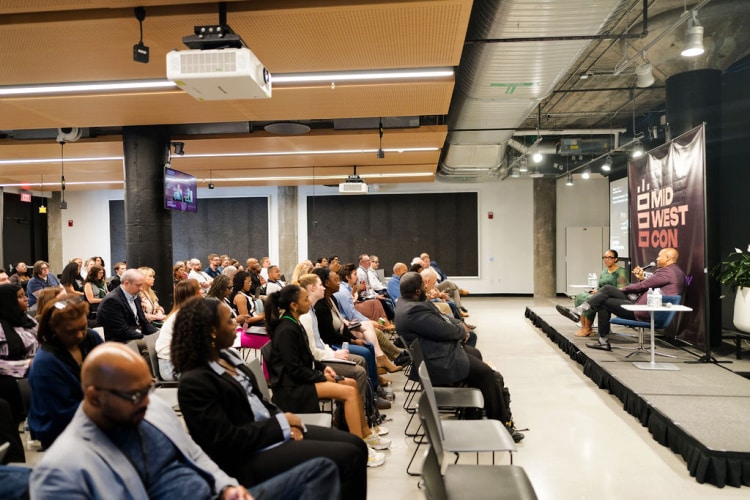
At September’s MidwestCon in Cincinnati, conversations about artificial intelligence and the future of work raised a question that reaches well beyond the technology industry: How do people prepare for careers when the work itself may look different by the time they get there?
For students choosing a college major, that can make the decision feel incredibly complicated. The same question applies to people already in the workforce who are considering a career change or trying to keep their skills relevant.
Aaron Bradley, founding director of the University of Cincinnati’s NEXT Innovation Scholars Program, thinks the answer starts with changing how people approach education and career planning.
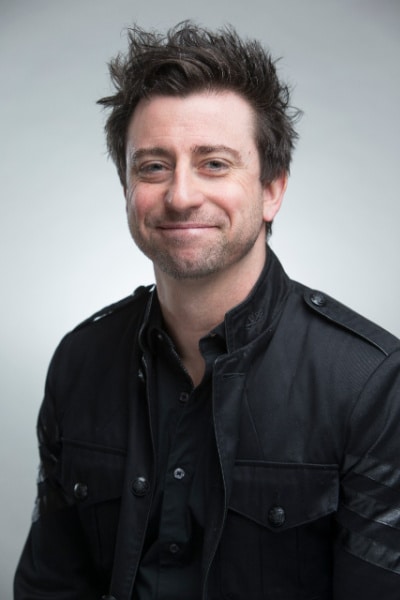
Bradley sees two important parts of being future-ready: the specific skills a person develops and the mindset they bring to their work. While technical knowledge will continue to matter, he believes people also need to become more comfortable with uncertainty.
“It’s going to be about the ability to comfortably live in ambiguity and be ready to try a lot of things,” he said.
For generations, education often followed a fairly predictable path: choose a field, earn a degree, find a job, and build a career from there. That path has already changed, but Bradley believes people are still adjusting to what that means.
“Trying something that doesn’t work, discovering a field isn’t the right fit or having a career direction become outdated shouldn’t automatically be viewed as failure. Those experiences may simply be part of building a career in a world where the opportunities and expectations keep shifting,” he said.
Choose a direction, not a predetermined destination
For someone choosing a major, certification or new area of study, Bradley recommends looking beyond the job title they hope to have after completing a program.
“I would say one thing to for sure look at is what is a program or a course of study or field that’s going to enable you to have a broad range of applicability for it,” he said.
That doesn’t mean everyone needs to become a generalist. A person can still pursue a specialized field, such as medicine, while thinking carefully about how much room that path leaves for future opportunities.
Bradley pointed to students interested in medical research who are watching companies such as Anthropic explore new capabilities in areas like laboratory research. Work that students once assumed would be a distinct part of their future careers may look different by the time they finish their education.
The lesson isn’t that students should avoid those fields. Rather, they should consider how they can move within them as the work changes.
“I don’t know that that is true, but you have to look for a field that has room to move within it and adapt and isn’t a dead end, like you’ve peaked at this point,” he said, discussing the idea that certain degrees, including computer science, are becoming obsolete because of AI and other shifts in the way people work.
The educational experience itself matters, too. Bradley encourages students to look for programs that build flexibility into their approach to learning, including opportunities to work with people from different backgrounds and apply their knowledge to problems outside the classroom.
That kind of experience can help students develop a deeper understanding of their chosen field while learning how to use that knowledge in different settings.
Learning to think beyond your own discipline
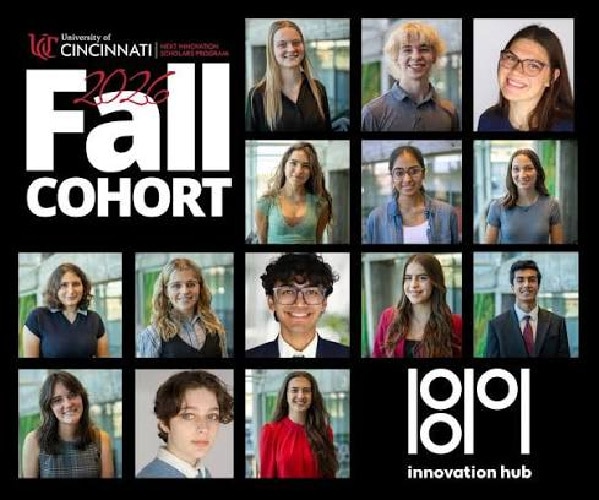
At UC, Bradley leads the NEXT Innovation Scholars program, a cohort-based educational experience that brings students from different academic backgrounds together to work on real-world innovation challenges.
The program supplements students’ traditional degree paths rather than replacing them. Its projects are designed to help students understand how different disciplines can contribute to a shared problem.
Bradley describes the approach as transdisciplinary, which goes a step beyond simply putting people with different majors on the same team.
“Transdisciplinary, we really intentionally set up situations where you can bring your discipline, knowledge, and background, and the things you’re learning from – the studies that you’re doing and your co-ops, internships, and research,” he said. “But it’s all to serve a greater purpose of, hey this gets better when we have different ideas come together.”
He also uses the idea of a T-shaped skill set to explain what students are developing. The vertical part of the T represents the deeper knowledge they gain in their chosen area. The horizontal part represents their ability to communicate that knowledge, collaborate, and learn from people who approach problems differently.
Those abilities become particularly important outside a university setting, where problems rarely fit neatly within one academic discipline.
“That’s just the way the world actually works once you’re not in a controlled environment,” Bradley said.
The program gives students opportunities to practice that kind of collaboration before they enter the workforce. They work with external partners on projects that require research, critical thinking, and the ability to consider multiple perspectives.
When the classroom becomes a real-world problem
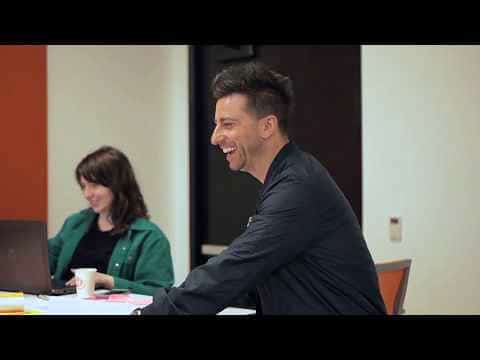
One example Bradley shared involved a project exploring what sun protection could look like five to 10 years from now. Students were asked to consider how people’s relationships with the sun, outdoor activities, and UV protection might change, then develop possible scenarios and recommendations for an external partner.
There wasn’t a textbook chapter with the answer or a test that would determine whether students had reached the right conclusion.
Instead, they had to work through an open-ended problem, use research and logic, and consider what might happen under different circumstances.
Bradley said that can be a challenging adjustment for students who have spent much of their education learning how to meet specific expectations and work toward a defined answer.
“You have to instead say here’s this nebulous problem over here that is a real thing that somebody needs to figure out,” he said. “And we’ve actually been asked to help come up with solutions for it.”
The goal is to move students beyond the idea that every problem has one correct answer.
“There are lots of possible answers to this. And all of them might be valid,” Bradley said.
Students then have to explore those possibilities, weigh the pros and cons, and explain why a particular approach might make sense.
The program’s partnerships also give students the chance to see how their work can influence decisions beyond the university. Bradley described a relationship with a global consumer packaged goods company that began with smaller product and marketing ideation projects. Over time, the company began trusting students with more complex strategic recommendations.
Students have traveled to present recommendations to company leaders, and some of their ideas have made their way into products and social media campaigns.
Since launching in 2021, NEXT Innovation Scholars has completed 44 innovation projects with 33 partners across 12 industries, according to UC. The work ranges from insights and strategy to ideation, strategic foresight and innovation training.
The skills that matter alongside technology
While AI and other emerging technologies are part of the conversation about future careers, Bradley doesn’t think preparing for that future means focusing exclusively on technical skills. He expects systems thinking and critical thinking to become increasingly important.
“I think a big part of it will be how much we intentionally teach critical thinking skills as a foundation of all levels of education,” he said. He believes students need opportunities to debate ideas and work through questions that don’t have one right answer much earlier in their education.
Bradley also sees the relationship between people and machines changing, raising questions about who directs the work and who makes the decisions.
“A very philosophical but real question is where are the situations where the human orchestrates the work of the machine versus where are the situations now where the machine is orchestrating the work of humans?” he said. “We’re just at the beginning of more and more people having to wrestle with that question, and we don’t have an answer to it yet.”
He sees a growing place for the humanities in that conversation, too. As machines become better at certain tasks, understanding what people bring to the table will matter.
“Are the humanities actually now about discussing what are the unique roles of a human and how a human adds unique value in a machine-driven world?” Bradley said.
For students and working professionals considering their next step, that may be an important part of the decision. A course of study doesn’t have to predict every change ahead. It should help build a foundation that can be applied as those changes happen.
Bradley also sees an advantage in developing those skills in Cincinnati. The region has major companies, startup investment, educational institutions, and large medical organizations, creating opportunities across industries. At the same time, he said, the region is small enough to make building relationships and finding professional connections more accessible.
“It’s not that it’s a small town, like everybody knows everybody,” he said. “We’re big enough to have Fortune 500 companies headquartered here, a decent amount of investment in startups, and lots of educational institutions, big medical institutions. It creates a ton of downstream opportunities.”
The future of work may be difficult to predict, but Bradley’s advice is less about guessing what comes next and more about being prepared to respond. Choosing a direction matters. So does leaving yourself enough room to grow beyond it.
Author

Related Articles
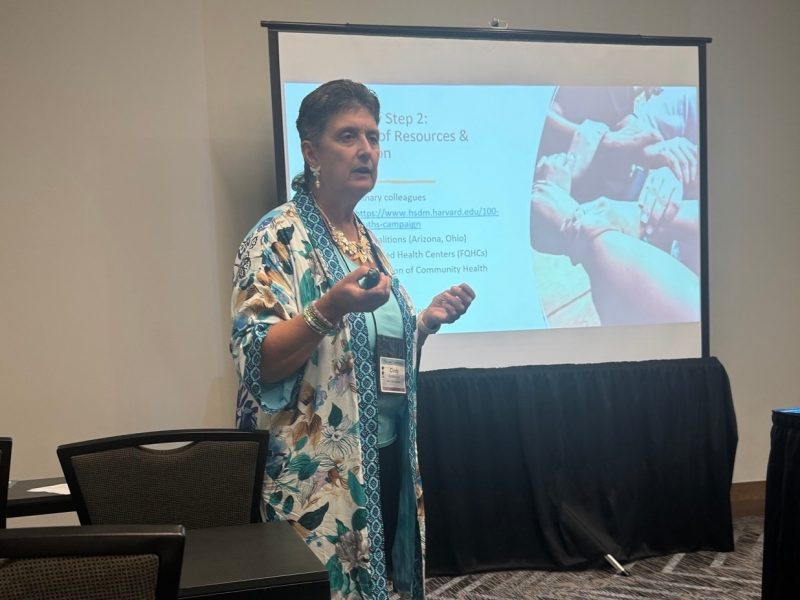
Primary care providers help expand oral health access through national training initiative
The 100 Million Mouths Campaign trains primary care providers to identify oral health concerns, expanding access and improving patient care beyond dental offices.
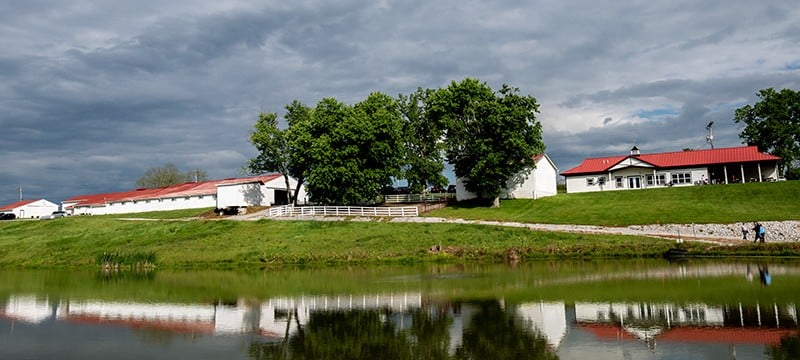
Equine therapy and fly fishing find common ground to support children dealing with trauma
New Day Ranch in Verona, Kentucky, and the Northern Kentucky Fly Fishers partnered for the greater good.

Cherry Health teledentistry pilot helps patients overcome dental care barriers
Cherry Health’s teledentistry pilot uses virtual visits to reduce fear and connect underserved patients with dental care.