
Restoring Sedamsville one historic home at a time
An $8.4 million investment is bringing homeownership and a renewed sense of possibility to one of Cincinnati’s smallest neighborhoods.
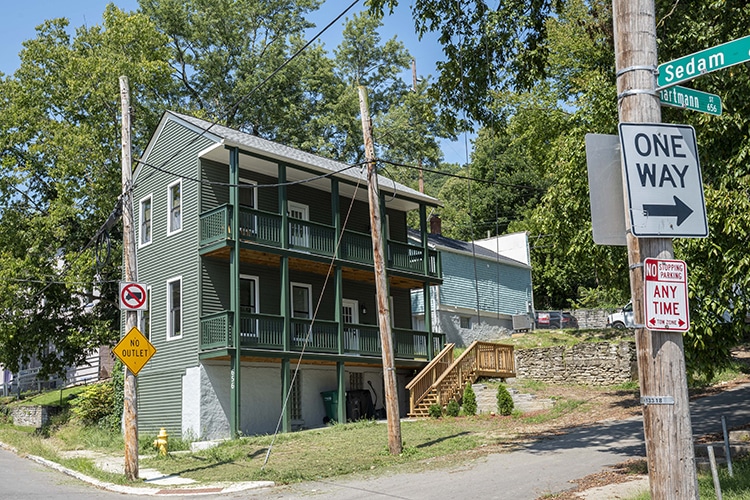
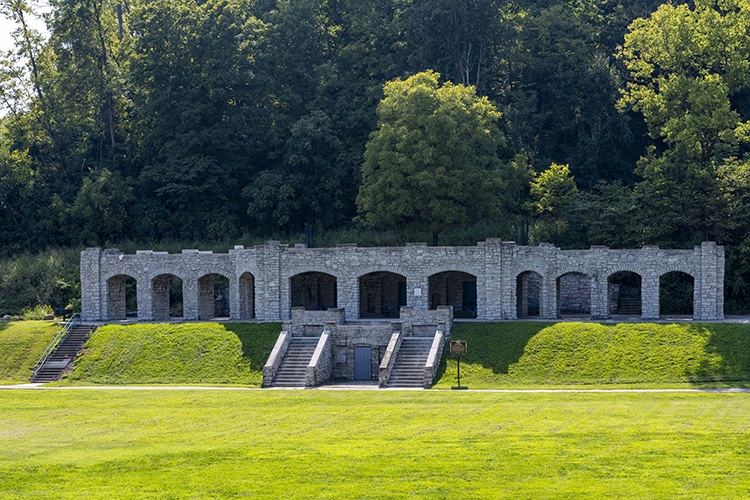
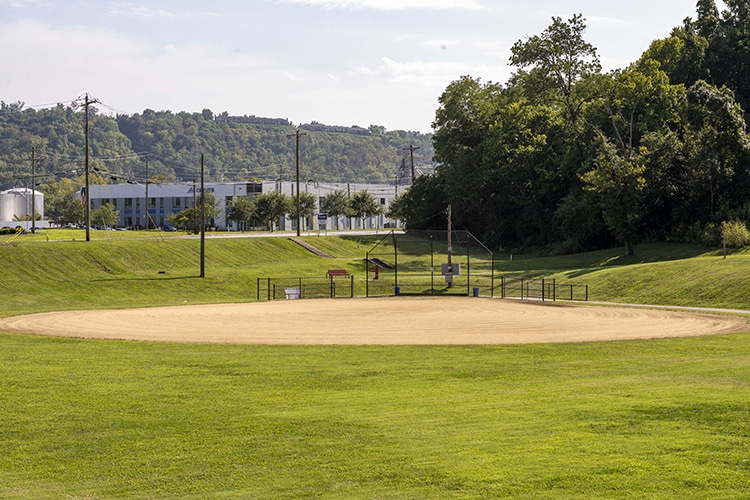
If you travel west out of downtown Cincinnati along the Ohio River on U.S. Route 50, you may blink and miss the neighborhood of Sedamsville at the crossroads of Fairbanks Ave. and Route 50. Sedamsville, (pronounced sə-DAMZ-vil) is where Pete Rose played baseball as a kid and is an under 10-minute drive from Fountain Square. The community has seen its share of ups and downs, though mostly downs since the 1937 flood. Today, the streets of the neighborhood are dotted with dumpsters, pad-locked buildings and a rising tide of optimism.
Before and after the 1937 flood
Sedamsville, named for Colonel Cornelius Sedam, who settled there in 1795, became an independent village incorporated in 1835. Made up of German immigrants, that can-do spirit has remained throughout the neighborhood’s history. It would become a critical part of Cincinnati’s growth through industry. By 1900, a viable business district touted one hundred commercial sites and lined the streets on both sides of Route 50.
As with many river communities, the fate of Sedamsville changed dramatically with the 1937 flood. Homes and industry succumbed to the power of water that rose to above 80 feet; 25 feet above the standard flood stage. Low-lying areas along River Road near Boldface Park and Sedam St. were totally submerged. Only the strongest residents with a conviction to rebuild stayed. But while many left, the buildings remained as well as the hope. As the region envisioned life after the flood, transportation needs changed. Where once a vibrant business community supported the people of Sedamsville, redirecting and widening Route 50 in the 1940s decimated much of the business district along with many houses.
These factors laid the groundwork for absentee landlords to buy up much of the remaining housing stock. Once beautiful single-family homes became rental units where tenants who inhabited the units had little investment for where they lived.
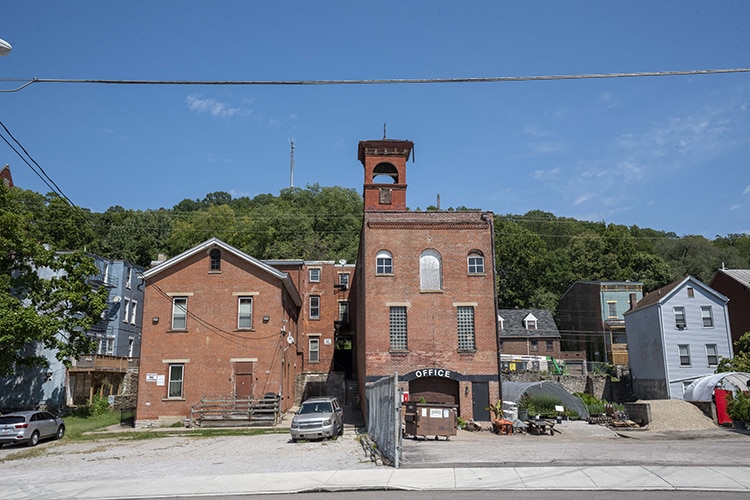
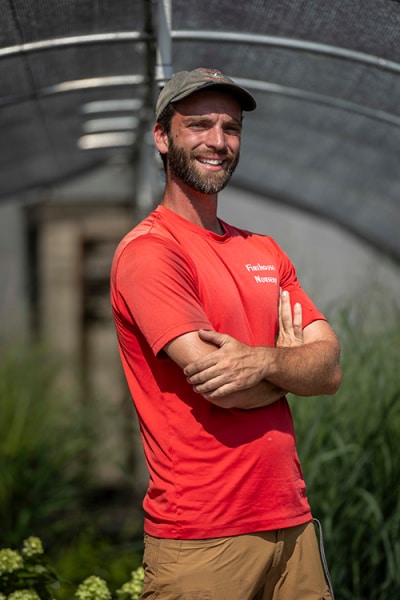
Herb Kohls, of Firehouse Nursery at the corner of Sedam St. and Route 50, carries on his father’s legacy providing landscaping services throughout the area. Kohls grew up in the structure his father converted into offices and a garage to house their trucks 25 years ago when Kohls was just a child. He’s seen a great deal of the struggle within Sedamsville.
A recipe for revitalization
From 2010 to 2020, Sedamsville saw a 33.5% population decrease. In 2010, the population number stood at 680 people. By 2020, that number would decrease by 228 people to 452 who remain in the area where drivers speed through on their way to places like Indiana and Delhi. It is the largest percentage of population decrease of any Cincinnati neighborhood over the same period. By 2020 it ranked 48th in total population, 50th in population change, and 48th in total housing units.
While the numbers looked bleak, something positive was afoot as early as 2008. The first historic district was identified, and the community began to reimagine the possibilities. By 2012, the entire neighborhood won recognition on the National Historic Register.
Many homes in Sedamsville had been chopped up into apartments, yet the shells remained intact. Lintels and corbels, box gutters and chimneys remained part of the charm that once was and could be again. In 2008, the Sedamsville River Road Historic District was added to the National Register of Historic Places. This was the first step in saving the community. By 2012, nearly the entire neighborhood had earned National Register designation. Home values increased by $50,840 between 2010 to 2023, representing an increase of 220% which is 2.4 times the percentage increase in the Cincinnati metropolitan area.
City commitment to affordable housing
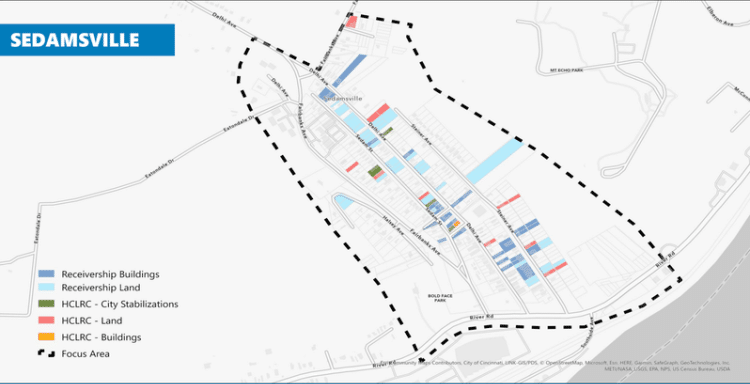
The current city administration is committed to providing access to affordable quality housing that is safe. To achieve this goal in Sedamsville, the city filed a large collection judgement in 2019 that included 65 parcels total including 41 vacant land parcels, 23 structures, 17 single-family homes, one three-family home, one church, and one commercial building with apartments above.
Receivership allowed for enforcement of codes, identification of absentee landlords, and the implementation of better standards of living if in fact funding could be secured. Issues they faced included housing stock that was in disrepair, a sluggish housing market, significant renovation expenses, and the continuing issue of being in a flood plain. Because much of Sedamsville is built on a hillside the number one issue was stabilizing existing structures. Due to historic requirements, costs would rapidly increase and the need for skilled contractors would be great.
The Port took on the challenge in 2022 of assuming control of the portfolio, which included 18 single-family homes, with the prospect of returning buildings to their original use.
The first priority of The Port was to get to know the residents. They attended Sedamsville Civic Association meetings to understand who and why people found their way to this community. People like Herb Kohls have a vested interest in the revitalization project. He believes that the investment is not just about rehabbing buildings but also giving people in the community hope.
The mission of The Port is to promote and enable equitable development by using unique tools to transform unproductive real estate in neighborhoods and industrial areas into opportunities for employment and housing. When they envisioned Sedamsville as a place residents could be proud of, they realized that monetary investment and the expertise to implement the plan was vital.
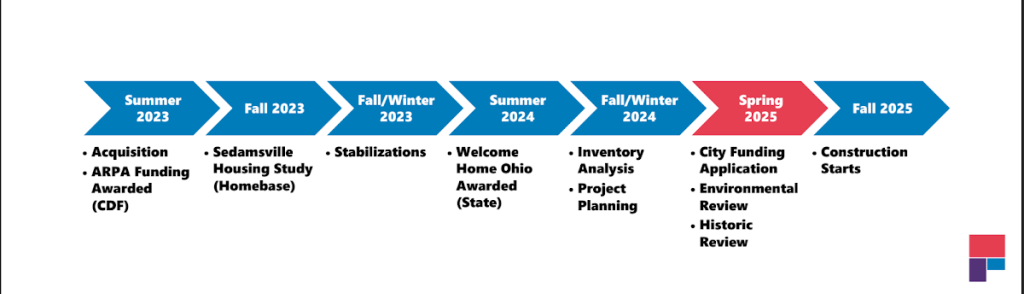
Funding had to be in place for anything to begin. 18 houses would become the foundation for establishing the need for dollars to be infused into the structures. A housing study conducted during fall 2023 provided feedback loops with local stakeholders, the Sedamsville Civic Association and other partners, and ensured that the dreams of residents were the focal point. A plan was formed to generate long-term homeownership, reduce blight, and preserve the historic architecture of the community, some of which dates to as early as 1860.
Navigating the funding puzzle
The Port got to work on what is known as a capital stack in the developer world. This type of funding incorporates numerous sources to achieve one goal. Fundraising for the $8 million strictly for the purpose of renovating 18 single-family homes began with the most urgent needs. Hillside landslides are common throughout the area, so structural stabilization would be key to any renovation. The city invested nearly $800,000 to preserve historic architecture in six critical buildings to prevent them from being demolished. Welcome Home Ohio grants were awarded for both purchasing qualifying residential properties at foreclosure sales and funding to fix up or build new homes. The Port secured nearly $2 million as part of the puzzle to purchase the entire large judgement area with 65 parcels. The city of Cincinnati awarded a Community Development Block Grant $400,000 in capital, nearly $700,000 in judgements against property owners, and $1.6 million in HOME assistance programs. The Port put in place $200,000 in equity plus bridge capital. Cincinnati Development Fund contributed $850,000 in American Rescue Plan Act of 2021 funds.
One last vehicle for improving and maintaining homes came in the form of the Hamilton County Landbank’s Home Repair Program which offers funding for homeowners to make essential exterior repairs. Up to $15,000 is available per household with no repayment needed for qualified homeowners.
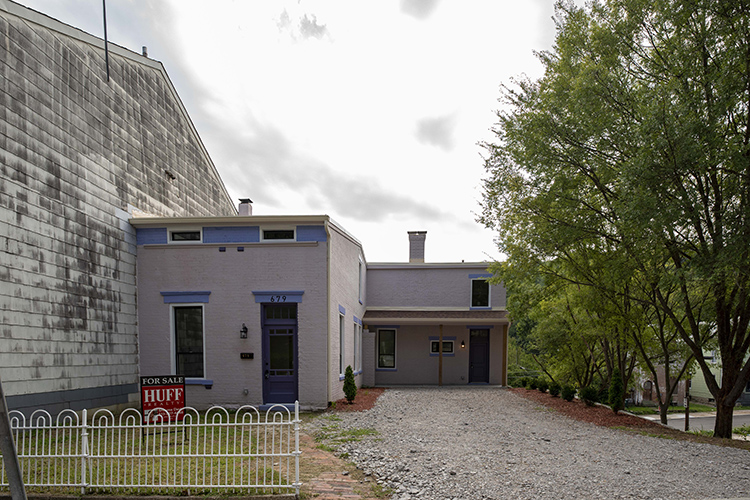
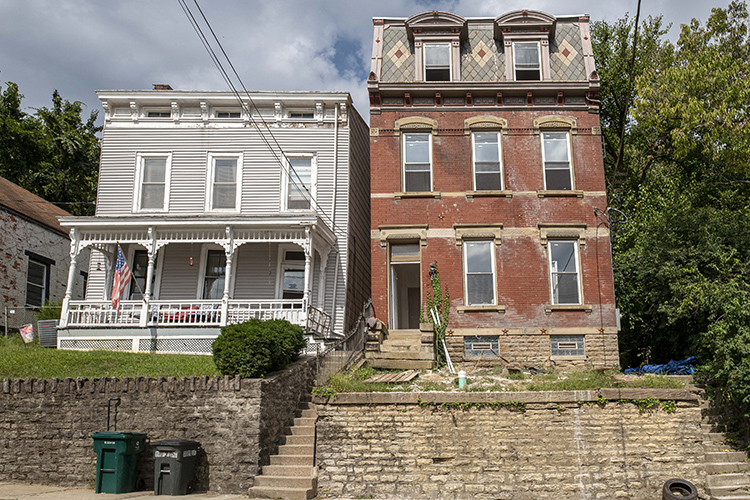
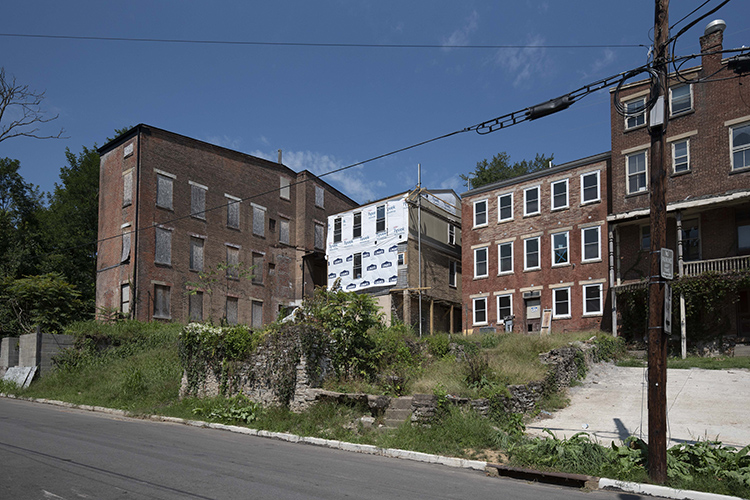
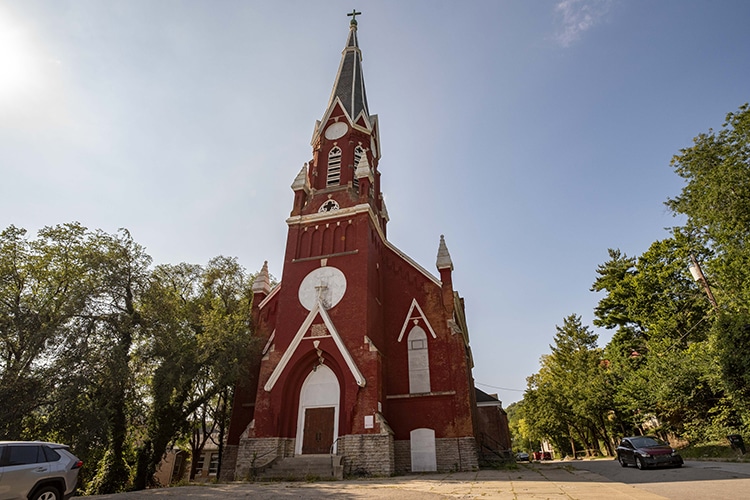
From stabilization to sale
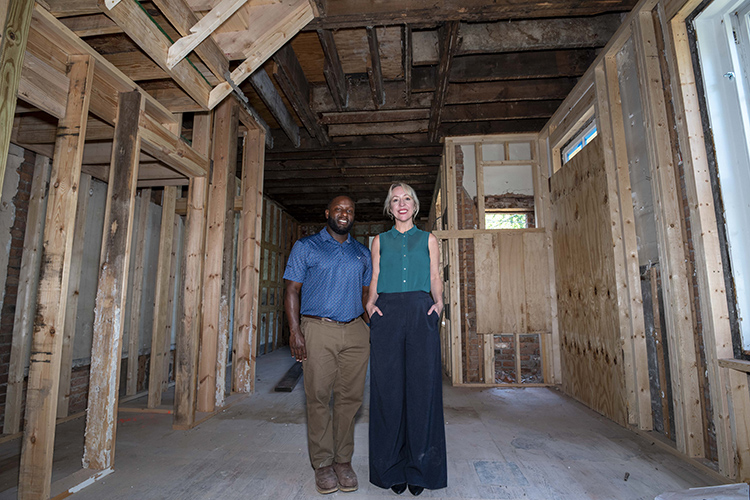
By the time ARPA funds were awarded in 2024, The Port had secured $8.4 million to revitalize Sedamsville. Two years later, The Port will meet the ARPA December 31, 2026, deadline for completion on the 18 single-family homes. The journey was only beginning.
Emilio Voltaire, real estate development manager for The Port, oversees the completion of the single-family dwellings. He says: “Serving as the project manager in Sedamsville has been both demanding and incredibly rewarding. As the primary point of contact for the five general contractors working across all eighteen renovation projects in Sedamsville, including CORE Resources, Adams Construction & Renovations, Unlimited Carpentry, Queen City Contractors, and Prestige Home Improvement & Roofing, everyone involved understands the significance of the work we’re doing.”
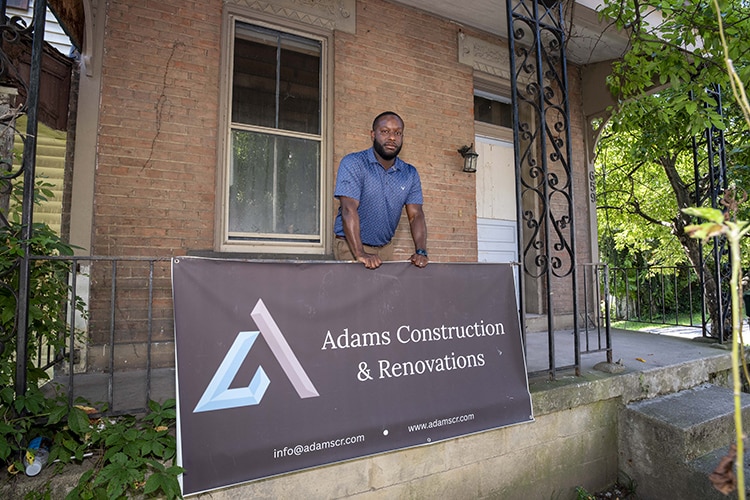
The creativity of construction in the 19th century means that no two homes are alike in Sedamsville. “Every property presents its own unique set of circumstances. Older historic homes often reveal unexpected conditions behind their walls, making each scope and each day different from the last,” says Voltaire.
Updates to kitchens and baths, reimagining spaces after years of debasing the dwellings for the purpose of multiple apartments had made the original use unrecognizable. Voltaire believes the work done by Platte Architecture & Design enhanced the homes’ interiors while celebrating the neighborhood’s historic character with captivating color palettes and highlighted architectural details.
Through the hard work of the entire project team, collaboration has been key. Again, Voltaire says that all involved truly embrace the opportunity to be part of this landmark initiative. He adds: “To date, we have sold four homes, with four more scheduled for listing by the end of September. All 18 homes are expected to be completed by the end of the year, and I’m grateful for the opportunity to guide us to the finish line.”
At a price of $180,000, dreamers move in to places they can be proud to call home. The investment of time and material into the restoration of these homes ranges from $300,000 to $400,000. To qualify, prospects must fall into a certain income level and commit to living in their home for at least five years.
As SVP of Real Estate Development Services for The Port, Lindsey Florea set the vision for the Sedamsville redevelopment project, including procuring funding and managing the team executing the construction. She says that the investment is well worth it to see not only structures stabilized but entire neighborhoods stabilized and look to future growth potential.
Florea said, “The acquisition of the Sedamsville portfolio was a bold move by my colleagues at The Port, particularly Philip Denning, and a testament to the ingenuity of our legal team. The Port took on significant risk without a clear path forward and found a way to say yes, which is exactly what makes The Port so special. Having the opportunity to help transform an entire neighborhood through this work is truly an honor and, without question, will be a legacy project of my career.”
It takes a little help to build a bit of hope
Firehouse Nursery landscaping trucks exit the building in early morning light on the Delhi St. side. Kohls points to two homes across the street from the garage. He says: “We’ve really gotten to see The Port work live in action, fixing up the buildings that are directly across the street,” pointing to one painted pink and the other mint green.
People in the neighborhood want the work to go faster, but as Kohls said, “Faster isn’t always best. It takes time to reimagine, reinvigorate, and reclaim the beauty of this neighborhood.”
In the span of time Kohls has been in the neighborhood hope has been absent. He points out issues with housing and people being sick and tired of it being that way. He commented, “Slowly, as The Port has gotten involved here and people have been able to see the changes, my father included, I can see the hope kind of restoring back into the community.”
Kohls would like to see that hope translated into involvement in the community association or other projects in Sedamsville. He believes that no matter where you live, the key to a vibrant community is people who care enough to get involved, no matter where you live.
Learn more about Sedamsville properties:
For residential properties, contact the following Realtist members –
- Adrienne Shipman: adrienne@adriennesoldit.com
- Triston Burnham: triston@3cre.com
- Shawna Davis: sdavis@huff.com
For commercial properties, contact The Port.
The Resilient Neighborhoods series is made possible with support from a coalition of partners including The Port of Cincinnati, Warsaw Federal Bank, and the Common Good Alliance. Ongoing Resilient Neighborhoods coverage will report on community-building in City of Cincinnati and Hamilton County neighborhoods spreading good ideas across the region.
Author

Related Articles
In search of the inaugural cultural journalism fellow
Wave Pool and Soapbox partner to support innovative journalistic coverage of culture in Cincinnati.
GuardCare partnership brings free healthcare to Ohio Appalachian residents
GuardCare provided free health services to nearly 500 Ohio residents, highlighting both collaborative solutions and persistent gaps in dental care.
Who lives in our communities is changing. Housing needs to change with them.
The housing picture is complicated by changing demographics in the first-ring suburbs.