Moving Forward — together — in Camp Washington
In many neighborhoods, gentrification leaves longstanding residents out of the occasion. But in this neighborhood, everyone is invited to have a seat at the table.
Camp Washington is a dichotomy in Cincinnati history — it has a stock of historic homes and industrial space, both of which are being redeveloped at a rapid pace for residential living and artist space. "Camp," as residents call it, is home to the famous Camp Washington Chili and the American Sign Museum.
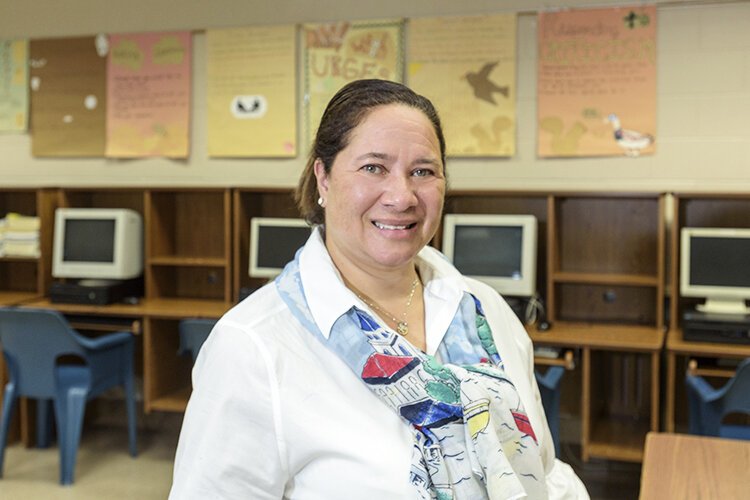
In many neighborhoods, gentrification leaves longstanding residents out of the occasion. But in this neighborhood, everyone is invited to have a seat at the table.
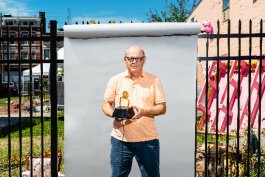
A hundred years ago, Camp Washington was one of the region’s largest hubs of industry, producing everything from pork products to steel casings. It also housed 12,000 residents, many of them making up the labor force that forged the “golden era” of Cincinnati’s economy in the early 20th century.
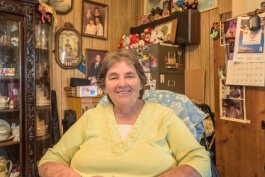
For those who have lived in the neighborhood since birth, there’s no other place to call home. And in the past few years, newer Campers are learning why.
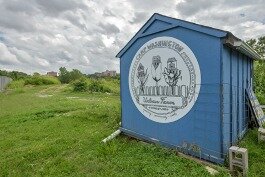
In this gritty, quirky neighborhood, citizens are working together from the ground up — literally — to invest in community development.

Younger people are buying houses and artists are moving their studios into the neighborhood, setting the stage for revitalization.
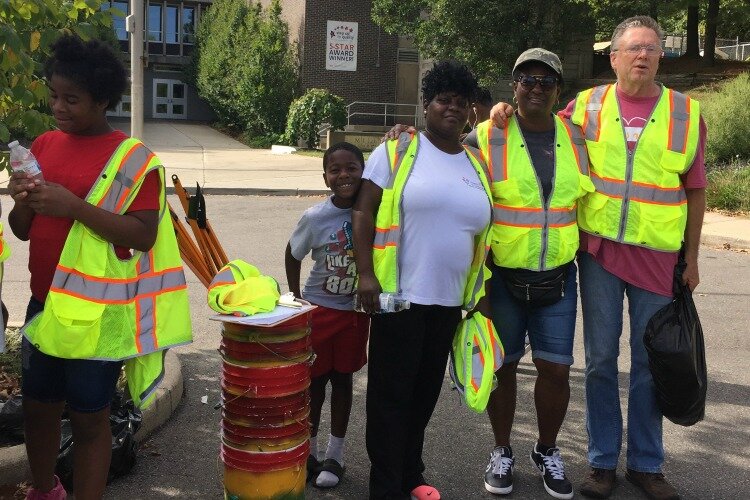
The Beekman Corridor Initiative unites South Fairmount, North Fairmount, English Woods, Millvale, and South Cumminsville to revitalize this once-forgotten area.
Over the next decade, all 40 branches will receive renovations and improvements.
The three-day event will focus on supporting neighborhoods with art and culture to create thriving, sustainable communities.
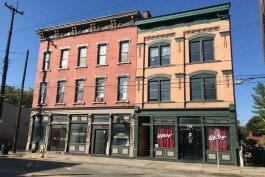
What was once a thriving business district is now getting a second chance thanks to hardworking, dedicated citizens.
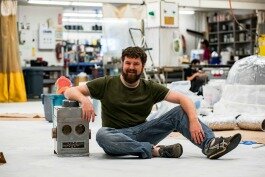
The Cincinnati Artist Report will support local creators and help arts organizations be directly responsive to their requests.
Our Partners