
Cincinnati Opera’s Black Opera Project expands what stories opera can tell
The first work in the series debuts in July with Lalovavi, an Afrofuturist adventure.
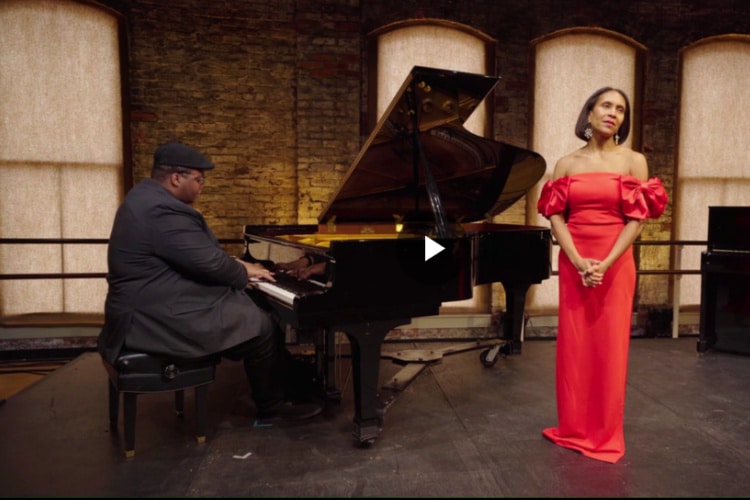
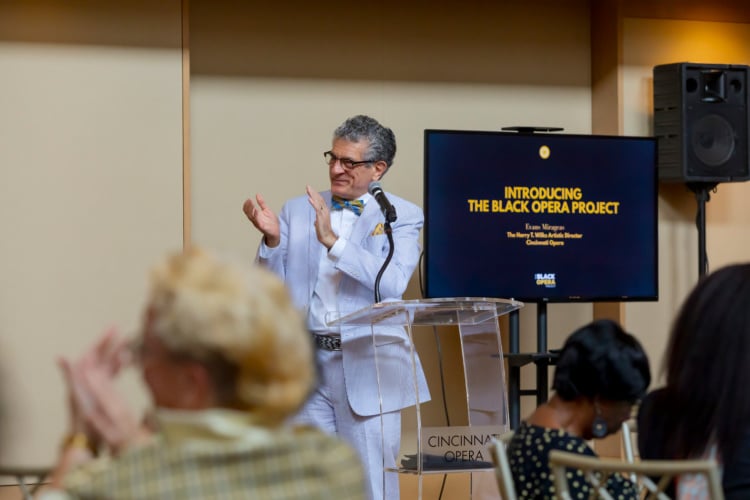
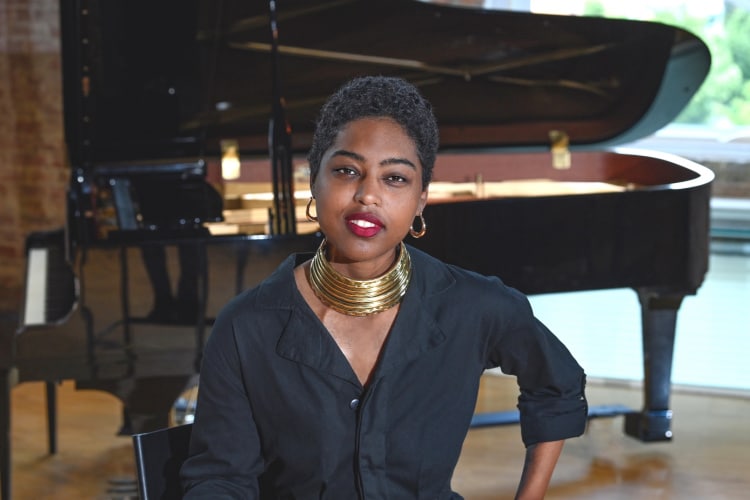

For generations, opera has been celebrated as one of the world’s most powerful artistic forms. It has served as a place where music, storytelling, and emotion converge on a grand scale. Yet despite its artistic richness, the stories traditionally told on operatic stages have often excluded the experiences, aspirations, and cultural realities of Black Americans.
The Cincinnati Opera is working to change that.
Through its ambitious, the Black Opera Project, the Cincinnati Opera is investing millions of dollars and years of creative development into a groundbreaking initiative designed to create new operas by Black artists that celebrate Black life, culture, joy and resilience. During a recent conversation with Cincinnati Opera Artistic Director Evans Mirageas, it became clear that this effort is about far more than producing new works. It is about helping to reshape the future of opera itself.
“This is not simply a commissioning project,” Mirageas explained. “It is an opportunity to expand the stories that opera tells and the audiences who see themselves reflected in those stories.”
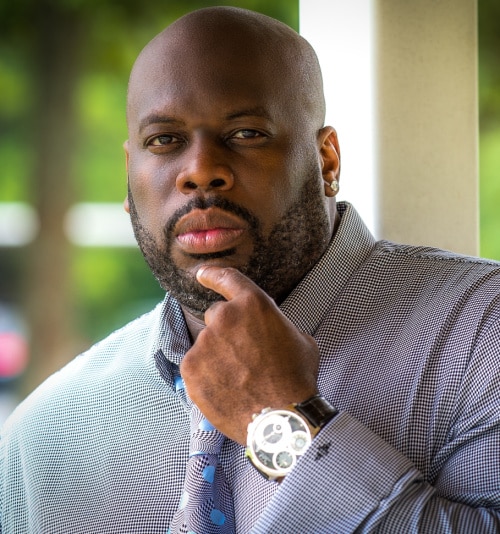
The Black Opera Project emerged from conversations that began several years ago during the summer of 2019, following Cincinnati Opera’s production of “Porgy and Bess.” During discussions with cast members, including internationally acclaimed bass Morris Robinson who serves as Cincinnati Opera’s artistic advisor, a recurring theme surfaced: while Black performers have long contributed to opera, there remained a significant shortage of contemporary operatic works that portrayed Black experiences through a lens of possibility, empowerment and joy.
The challenge was clear. If opera is to remain a living art form rather than a museum piece, it must continue evolving to reflect the full diversity of human experience. Rather than treating those conversations as theoretical discussions, Cincinnati Opera acted.
The result has been the creation of a first-of-its-kind initiative that has commissioned and produced three full-length operas created by Black composers, librettists, directors and creative teams. The project, supported in part by funding from the Mellon Foundation and backed by Cincinnati Opera’s own substantial financial commitment, represents an investment of approximately $6 million. The first opera in the series, “Lalovavi,” exemplifies that vision.
Created by composer Kevin Day, librettist Tifara Brown, and director-dramaturg Kimille Howard, the work explores Afrofuturism through a sweeping narrative set 400 years in the future. The story follows Persephone, a young woman whose discovery of a rare genetic trait launches her into a journey involving family betrayal, identity, love, and self-determination. The opera also incorporates elements of Tut, a language developed by enslaved Black Americans as a means of communication and literacy. The title itself translates to “love.”
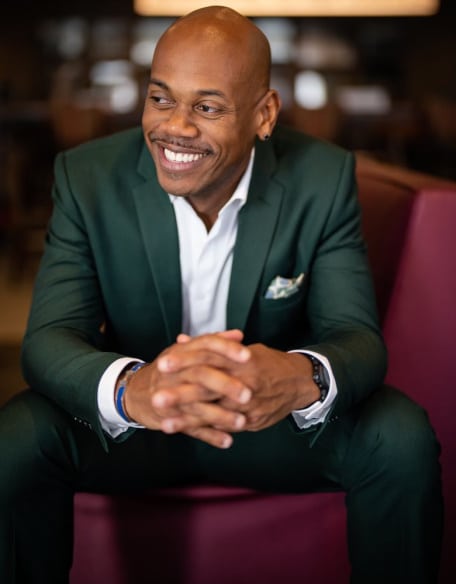
What makes “Lalovavi” especially significant is not simply its creative team or futuristic setting. It represents a deliberate effort to imagine Black futures. Too often, stories involving Black communities focus exclusively on trauma, struggle or oppression. While those narratives remain important, the creators behind “Lalovavi” sought to explore something equally meaningful: hope.
Mirageas emphasized that audiences should not expect these operas to function as historical lessons alone. Instead, they are intended to be fully realized artistic experiences capable of engaging anyone, regardless of background.
“Great opera succeeds because of compelling characters and universal emotions,” he said. “These works are rooted in Black experiences, but their themes are fundamentally human.”
The project’s second opera scheduled to be performed the summer of 2027, “John Lewis: Good Trouble,” will focus on the life and legacy of Congressman John Lewis, one of the most influential figures of the Civil Rights Movement. Additional details regarding the third opera, to be performed in the summer of 2028, are expected in the future. Together, the three works will form a remarkable artistic trilogy centered on Black storytelling. The scale of the initiative has required patience.

That commitment to development reflects Cincinnati Opera’s broader reputation as a national leader in fostering new works. Under Mirageas’s leadership, the company has championed contemporary opera and collaborated extensively with creators through programs designed to bring fresh voices into the field.
Yet the Black Opera Project represents something even larger. It signals a belief that arts institutions can play a meaningful role in cultural transformation. At a time when conversations about representation continue to shape the American cultural landscape, Cincinnati Opera is demonstrating that inclusion is not merely about casting decisions or programming statements. It is about empowering creators to tell stories from their own perspectives.
For the Greater Cincinnati region, the project also reinforces the region’s growing reputation as a center for artistic innovation. While audiences may traditionally associate opera with European classics and centuries-old masterpieces, the Black Opera Project reminds us that opera remains a living medium capable of reflecting contemporary realities and aspirations.
If the Black Opera Project succeeds, and all indications suggest that it will, it may become one of the most important artistic initiatives in Cincinnati Opera’s history. More importantly, it may help establish a new model for how cultural institutions across the nation engage diverse voices, nurture emerging creators, and ensure that future generations can see themselves reflected in the stories that shape our collective imagination. In doing so, Cincinnati Opera is not only producing new works. It is helping write a new chapter in the story of American opera.
What: Cincinnati Opera’s 2026 Summer Festival presents “Salome,” “Lalovavi,” “Carmen” and “Orpheus and Euridice” plus Studio Sessions
When: The 106th season runs June 18 – August 2, 2026.
Where: Music Hall’s Springer Auditorium with Studio Sessions in Wilks Studio
Information and tickets: Visit Cincinnati Opera here.
Listen here:
Author

Related Articles
New bronze sculpture in Eden Park will honor Women Veterans who served our country
The artist will reveal the monument design this coming Veteran’s Day with an installation planned for June 2027.
In search of the inaugural cultural journalism fellow
Wave Pool and Soapbox partner to support innovative journalistic coverage of culture in Cincinnati.
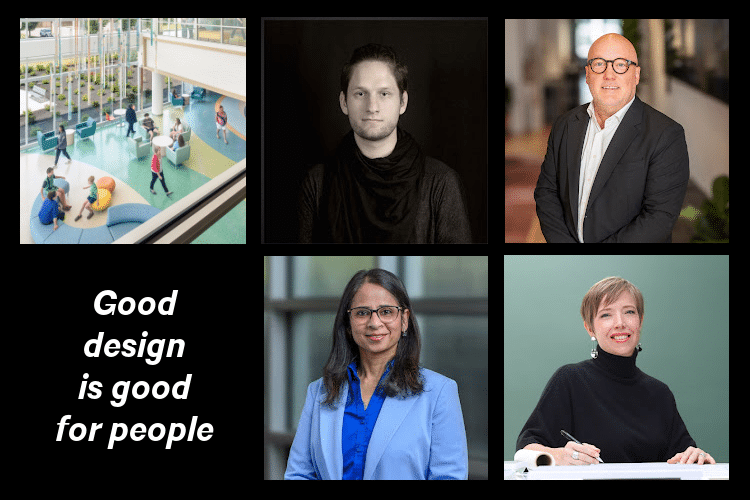
Partner Partner Content Architecture Matters panel discussion: Good design is good for people
Your invitation from AIA Cincinnati and Soapbox to join a thoughtful community conversation about good design.