
Don’t count yourself out: complete the Census forms
Without an accurate assessment of our population, Northern Kentucky will lose much-needed federal funding.
In March, the U.S. Census Bureau extended the deadline to count everyone in the country from the end of July to mid-August because of the rapidly spreading novel coronavirus.
The pandemic also is delaying usual on-the-ground efforts that include counting homeless populations, dropping off forms in rural areas with no fixed addresses, and door-to-door efforts to get people to respond by phone, mail, or online.
But just because we’ve been given more time doesn’t mean we should delay. Now, more than ever, it’s important for the federal government to get an accurate count of the region’s population, otherwise, we could lose much-needed funding.
As of April 14, the response rate in Covington, Northern Kentucky’s largest city, was 43 percent. That’s the lowest rate of any of the 10 largest cities in Kenton, Campbell, and Boone counties, and almost 10 percentage points below most of those cities, according to the Census Bureau.
The highest response rate of those 10 cities is Villa Hills, at 70.5 percent. Others, for example, include Erlanger at 57.7 percent and Independence at 63.2 percent.
“We cannot stress enough how important it is to be counted,” Covington Neighborhood Services Director Ken Smith says. “Some 13 percent of the city’s budget comes from direct federal funding that’s allocated based on population counts.”
Census Bureau officials say that Covington’s population was undercounted during the last official count in 2010. It’s been estimated that Covington taxpayers could stand to lose out on almost $22 million over the next 10 years if the 2020 Census is no more successful than the 2010 Census in making sure every Covington resident is counted.
Covington’s challenge is that it has high levels of historically hard-to-count populations: renters, students, senior citizens, children under 5, transients, immigrants, low-income families, and racial and ethnic minorities.
Those hard-to-count populations stand to benefit substantially from services funded by federal money, which is allocated to everything from emergency home repairs to down payment assistance for first-time homebuyers to first-year rent help for small businesses to park renovation and road repair and neighborhood-specific police patrols.
Health-care agencies also receive federal funds allocated based on population.
Forms can be filled out via paper, phone (1-844-330-2020), and online at 2020census.gov. Two options are presented: for people who have a geographic-specific access code and those who don’t.
The 2020 census also helps determine how many congressional seats each state gets..
Still not sure why it’s so important? Census.gov lists Five BIG Reasons Why You Should Fill Out Your Census Form, including helping your community thrive; getting help in times of need; making the government work for you; reducing risks for American businesses; and to help yourself and your family.
Related Articles
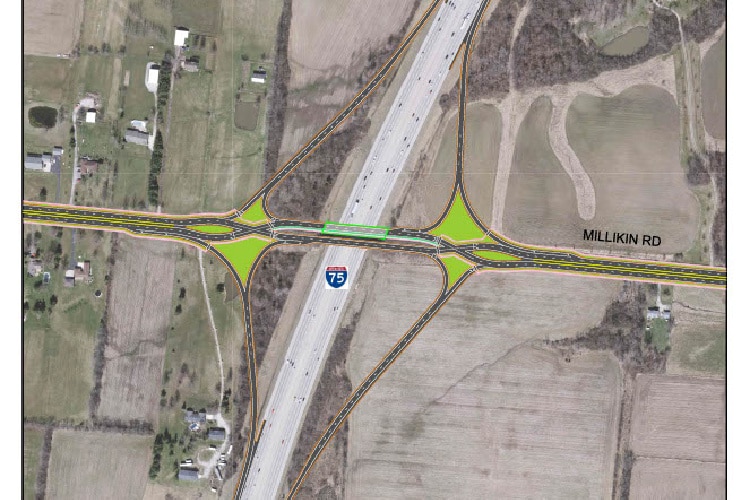
[OPINION] ODOT missed by not funding the Western Hills Viaduct and other urban projects
The only funded project in the Cincinnati region is a proposed interchange area that is currently farm fields.
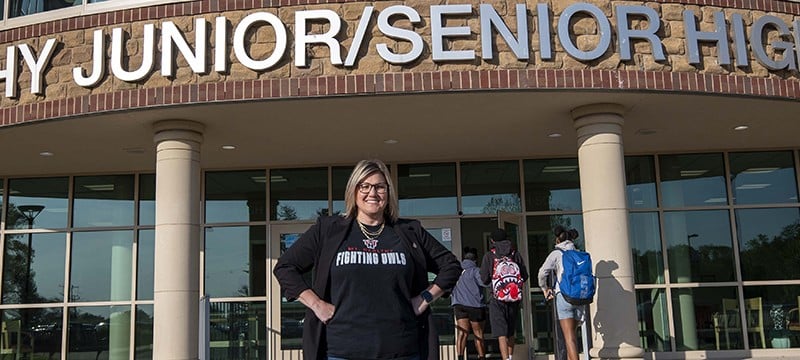
Schools on the brink: Centers of small-town life, these two districts face financial emergencies
Public schools are sources of pride and launching points for lives and careers. But in Ohio, an arcane, unfair system of funding schools persists.

Video We’re getting involved because we know what’s coming
Concerned citizens are taking action — making whistle kits, getting refreshers in the Constitution, and reaching out to immigrant-owned businesses. The efforts are antidotes to the violence and chaos.