Camp Washington developments help build community
Camp Washington owes much of its stability and growth to the Camp Washington Community Board, which has renovated 52 homes there and is overseeing several new projects that include a $35 million apartment development in the vacant Crosley Building.
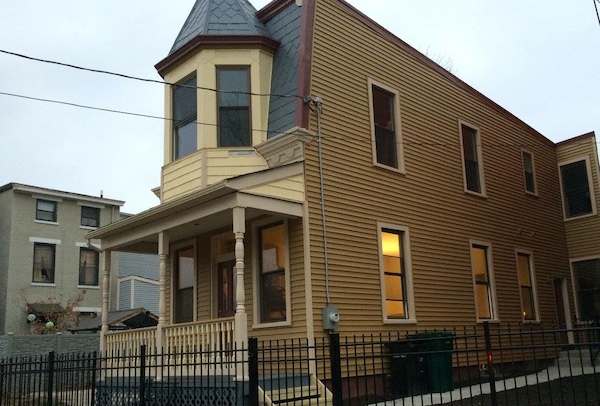
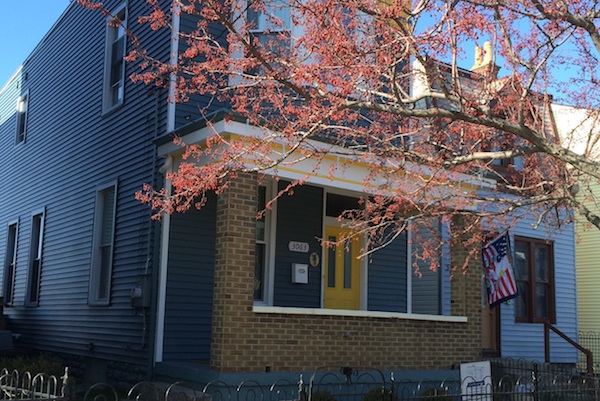
Camp Washington, lovingly called “Camp” by its residents, owes much of its stability and growth to the Camp Washington Community Board. The organization has renovated 52 neighborhood houses to date and is now overseeing four new development projects.
The Camp Washington Community Board currently funds the $150,000 house renovations and sells them for about $85,000. City grants help with the deficit, and the organization does much of its fundraising through a bingo hall it owns in Cheviot.
This year, however, they’re using a different model to fund houses. A PNC Charitable Trust grant will help the board replan the development strategy, which is focused now on a six-unit apartment building, two four-unit buildings and three single-family houses.
“We’re also trying to get outside people to come into Camp and redevelop,” says Joe Gorman, community organizer for Camp Washington Community Board. “We’re trying to attract new residents, especially young professionals and families.”
On Spring Grove Avenue, a former meatpacking plant was recently demolished near the railroad tracks. The 15 acres of developable property is currently waiting for a developer, and Gorman says any number of things is possible.
At the other end of the neighborhood, Indianapolis-based Core Redevelopment plans to redevelop the Crosley Building, which has been vacant for about 30 years, into 238 market-rate apartments. The $35 million project will be much like the American Can Lofts in Northside but about twice the size.
“The fact that Camp is landlocked gives people a sense of belonging and ownership of the neighborhood,” Gorman says.
Volunteers from the neighborhood will also be planting two large beds in Camp’s urban farm, which is on Monmouth Avenue between the River City Correctional Center and the Machine Flats apartments. The neighborhood leases two acres of land from the city for the farm.
The urban farm has two donkeys that help tend the grass and produce manure for the compost pile. There are also plans for a beehive in the fall, as well as a “walk through the fall” to include a number of historical signs along the path provided by the American Sign Museum.
Gorman says the community is hoping to provide enough fresh vegetables from its urban farm to supply Camp’s food pantry and Churches Active in Northside (CAIN).
Related Articles
Fewer options, fuller ERs: The behavioral health fallout of Medicaid cuts
MHA advocates for state funding that preserves behavioral health care and keeps rural hospitals open.
What does the new childhood vaccine schedule actually mean for your family?
Officials say not much will change. Experts aren’t so sure.

New platform to share ‘Common Ground’ from community ideas and solutions
Issue Media Group, a multilocal network of solutions-based, issues-focused digital publications, has launched a new national platform for increasing the reach and impact of its journalism.