
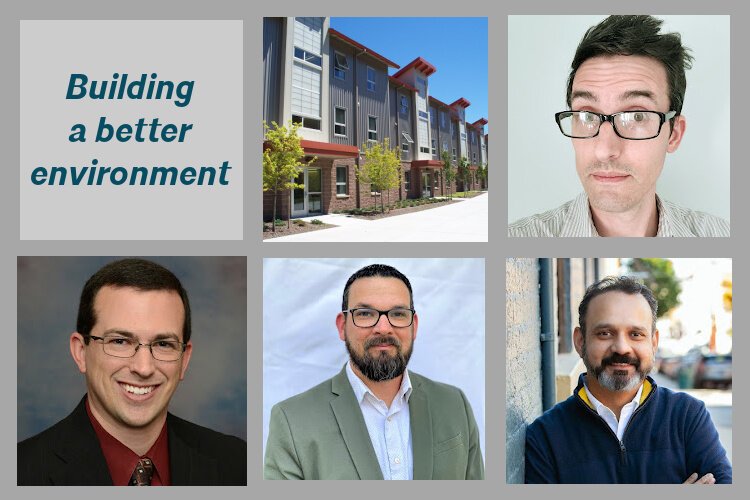
Building a better environment: An Architecture Matters panel discussion
If you’re curious about how to encourage better buildings, this is the program for you.
If you’re curious about how to encourage better buildings, this is the program for you.
There isn’t a single solution to the challenges of greening our built environment but improving the sustainability of existing and future buildings can be done.
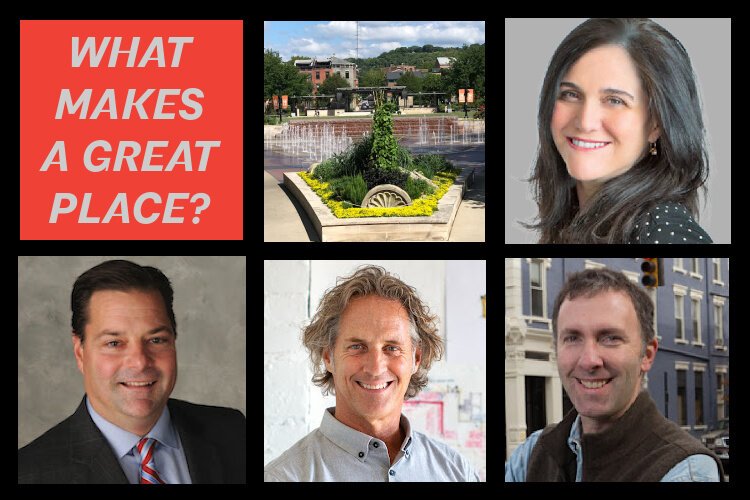
Residents and business owners can advocate for better design in their communities, but only if they understand what makes a great place.
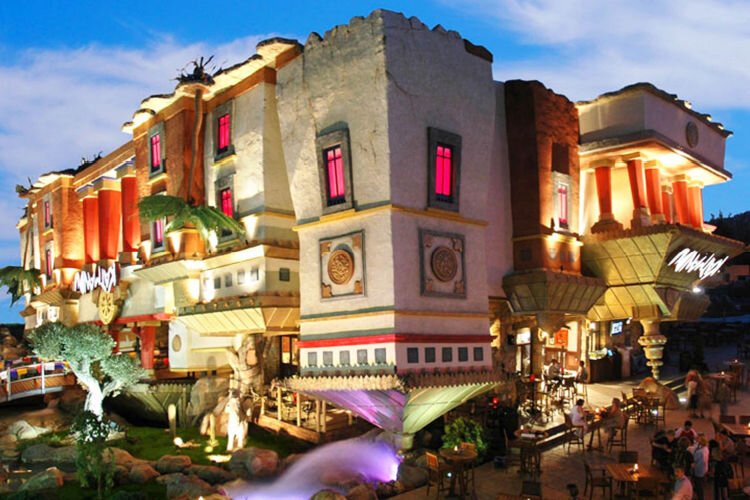
No matter the scale, we intuitively know when a place is great, even if we don’t fully understand why.
If you’re curious about what gets built and how projects are designed and developed—whether the house next door, a mixed-use building in your neighborhood business district, or big projects downtown—this is the program for you.
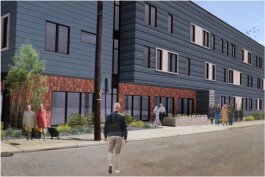
From transparency at city hall to attempts at adapting the zoning code, cities, including Cincinnati, are trying to create a better built environment for everyone.
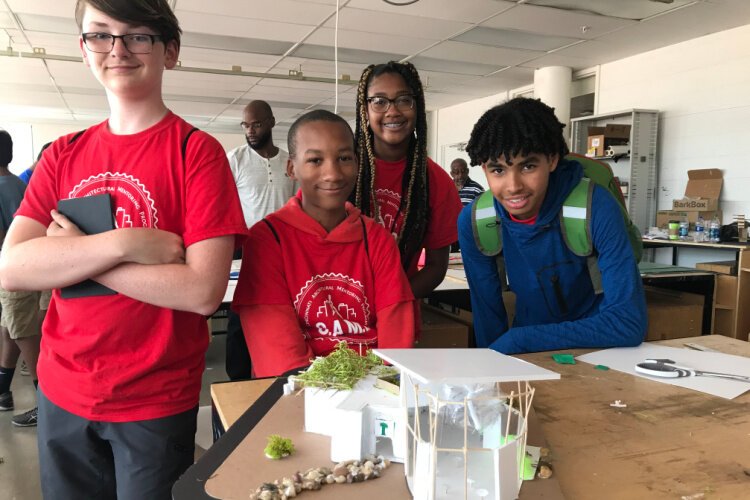
Professionals complete specific training, a rigorous licensure process, and meet ongoing development requirements to ensure the design of our built environment is safe for everyone who occupies it.
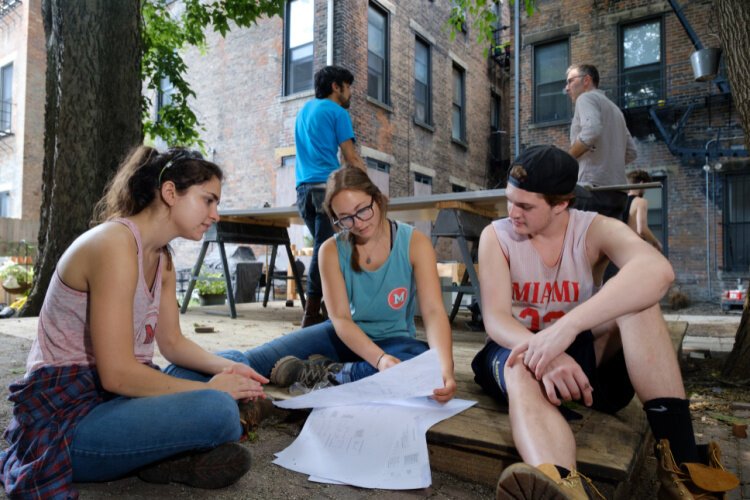
Professional architects believe that they have a responsibility to make a positive impact on society, specifically through equitable and inclusive engagement.
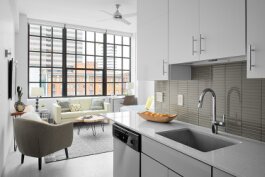
Although the housing market was largely unaffected by the pandemic, designers are seeing new trends in building.
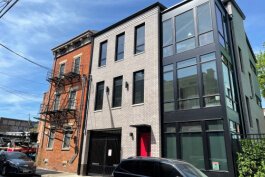
The effects of buildings on people have been explored in architectural theories for centuries. Today, the rapid evolution of neuroscience and evidence-based design provides new insights into how architecture impacts human health and wellness.
Our Partners