Walnut Hills / E. Walnut Hills

Walnut Hills was the first Cincinnati neighborhood to participate in Soapbox's On the Ground series, an embedded journalism approach to learn what's happening in the underrepresenting neighborhoods that are being transformed. Stories covered everything from business and community development, arts and culture and education to health and wellness, crime and food insecurity. A community newsroom was held at Caffé Vivace hosted by the champion of 45206, Kathryn Gardette. 

DeSales Flats celebrates grand opening in East Walnut Hills

TEXT TEXT TEXT TEXT TEXT TEXT.  TEXT TEXT TEXT TEXT TEXT TEXT.  TEXT TEXT TEXT TEXT TEXT TEXT.  TEXT TEXT TEXT TEXT TEXT TEXT.  TEXT TEXT TEXT TEXT TEXT TEXT.  TEXT TEXT TEXT TEXT TEXT TEXT.  TEXT TEXT TEXT TEXT TEXT TEXT.  TEXT TEXT TEXT TEXT TEXT TEXT.  TEXT TEXT TEXT TEXT TEXT TEXT.  TEXT TEXT TEXT TEXT TEXT TEXT.  TEXT TEXT TEXT TEXT TEXT TEXT. TEXT TEXT TEXT TEXT TEXT TEXT.  TEXT TEXT TEXT TEXT TEXT TEXT.  TEXT TEXT TEXT TEXT TEXT TEXT.  TEXT TEXT TEXT TEXT TEXT TEXT.  TEXT TEXT TEXT TEXT TEXT TEXT.  TEXT TEXT TEXT TEXT TEXT TEXT.  TEXT TEXT TEXT TEXT TEXT TEXT.  TEXT TEXT TEXT TEXT TEXT TEXT.  TEXT TEXT TEXT TEXT TEXT TEXT.  TEXT TEXT TEXT TEXT TEXT TEXT.  TEXT TEXT TEXT TEXT TEXT TEXT. TEXT TEXT TEXT TEXT TEXT TEXT.  TEXT TEXT TEXT TEXT TEXT TEXT.  TEXT TEXT TEXT TEXT TEXT TEXT.  TEXT TEXT TEXT TEXT TEXT TEXT.  TEXT TEXT TEXT TEXT TEXT TEXT.  TEXT TEXT TEXT TEXT TEXT TEXT.  TEXT TEXT TEXT TEXT TEXT TEXT.  TEXT TEXT TEXT TEXT TEXT TEXT.  TEXT TEXT TEXT TEXT TEXT TEXT.  TEXT TEXT TEXT TEXT TEXT TEXT.  TEXT TEXT TEXT TEXT TEXT TEXT. TEXT TEXT TEXT TEXT TEXT TEXT.  TEXT TEXT TEXT TEXT TEXT TEXT.  TEXT TEXT TEXT TEXT TEXT TEXT.  TEXT TEXT TEXT TEXT TEXT TEXT.  TEXT TEXT TEXT TEXT TEXT TEXT.  TEXT TEXT TEXT TEXT TEXT TEXT.  TEXT TEXT TEXT TEXT TEXT TEXT.  TEXT TEXT TEXT TEXT TEXT TEXT.  TEXT TEXT TEXT TEXT TEXT TEXT.  TEXT TEXT TEXT TEXT TEXT TEXT.  TEXT TEXT TEXT TEXT TEXT TEXT. TEXT TEXT TEXT TEXT TEXT TEXT.  TEXT TEXT TEXT TEXT TEXT TEXT.  TEXT TEXT TEXT TEXT TEXT TEXT.  TEXT TEXT TEXT TEXT TEXT TEXT.  TEXT TEXT TEXT TEXT TEXT TEXT.  TEXT TEXT TEXT TEXT TEXT TEXT.  TEXT TEXT TEXT TEXT TEXT TEXT.  TEXT TEXT TEXT TEXT TEXT TEXT.  TEXT TEXT TEXT TEXT TEXT TEXT.  TEXT TEXT TEXT TEXT TEXT TEXT.  TEXT TEXT TEXT TEXT TEXT TEXT. Writer: Randy A. Simes Photography by Scott Beseler Stay connected by following Randy on Twitter @SoapboxRandy
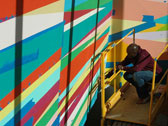

Insider Ohio: Guided By Brushes

Insider Ohio conducts a guided arts tour of five of Cincinnati's more visual art-centric neighborhoods, providing an inside track on fresh exhibitions, hidden treasures, and new ideas happening in old spaces, and maybe even discovering a new 'art trail' to be followed by visual enthusiasts and tourists alike.

76-unit DeSales Flats project near completion
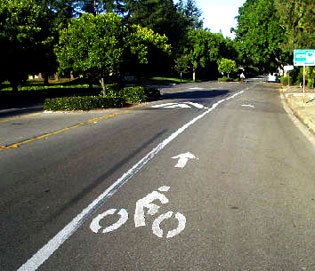
Sharrows coming to a street near you
Reyes wins Flying Pig Marathon

Sergio Reyes of Palmdale, California won Cincinnati's annual Flying Pig Marathon in 2 hours, 20 minutes and 37 seconds amongst a record field of more than 16,000 runners. Reyes called the marathon one of the most scenic races he's ever run.  The race started in downtown Cincinnati and then twisted through many of the city's scenic neighborhoods, hills and even followed along the Ohio River for several miles. This year marked the 12th year for the Flying Pig Marathon which gets its name from Cincinnati's former status as the pork-packing capital.  Autumn Ray of Galveston, Texas won the women's side in 2 hours, 52 minutes and 23 seconds. Read full article here.

Historic house tours fill Mother’s Day weekend
Issue 9 debate engages local businesses one month before the November vote

Keep Cincinnati Beautiful's biggest event of the year takes place on April 25 with a kickoff in College Hill, and the organization could use your help.Great American Cleanup, the nation's largest community improvement project with an estimated 2.8 million volunteers, is aimed at boosting the quality of life in neighborhoods by planting flowers and trees, picking up litter, collecting discarded tires, painting façades, landscaping, and recyclingBecause of the massive amount of work to be done, Keep Cincinnati Beautiful program manager Josman Rodriguez says that volunteers are very much needed.Just last year, 8,352 volunteers collected 406,460 pounds of litter and debris; planted 13,500 flowers and bulbs; cleaned 578 miles or roads, streets and highways; and recycled more than 40,000 plastic bottles and more than 2,500 scrap tires."We're expecting 10,000 volunteers beautifying 90 communities, 25 parks, and 30 schools," Rodriguez says.He also says that Give Back Cincinnati, community leaders, and Cincinnati council members plan to participate, and that United Dairy Farmers is serving as a co-sponsor.To volunteer, contact Liz Bowater at (513) 352-4380 or at liz.bowater@cincinnati-oh.gov.Writer: Kevin LeMasterSource: Josman Rodriguez, project manager/public awareness, Keep Cincinnati Beautiful

Hamilton County taxes lower than its peers

A recent Forbes survey finds that Hamilton County's property tax rate is the lowest, as a percentage of income, of Ohio's six largest urban areas, says Hamilton County Commissioner David Pepper.In his PepTalk blog, Pepper says that there are misconceptions about the county's tax rate, but that it's actually relatively low when compared to other metropolitan areas against which it competes for jobs, businesses, and talent.The Forbes survey found that Hamilton County's property tax rate as a percentage of income was 26 percent lower than Cuyahoga County (Cleveland), 16 percent lower than Franklin County (Columbus), and 8.5 percent lower than Summit County (Akron).Hamilton County's sales tax was also the lowest of the top six urban counties, tied with Summit County.Read the blog post here.

Focus on environment garners planning award for Green Cincinnati plan
Qualls pushes council to make streets ‘for people, not just cars’

Cincinnati City Councilmember and chair of the Vibrant Neighborhoods Committee, Roxanne Qualls introduced a resolution supporting the federal Complete Streets Act of 2009, a piece of legislation meant to encourage streets that are safe for all forms of human transportation.Sponsored by Sen. Tom Harkin (D-IA) and Rep. Doris Matsui (D-CA) and introduced earlier this month, the legislation promotes the design of streets that are safe for motorists, bus and transit riders, pedestrians, bicyclists, and people with disabilities by directing state departments of transportation and metropolitan planning organizations to adopt and implement complete streets policies for federally-funded transportation projects.It would also update the current federal code on pedestrian and bicycle accommodation and authorize research, data collection, technical assistance and dissemination of best practices.Qualls' resolution is currently in council's Economic Development Committee, which next meets on April 7."We actually put funds in the biennial budget to develop a complete streets program," Qualls says.  "So the city has already recognized the need to design streets for people, not just cars.  Ultimately, the goal is to make our streets multi-modal."According to the National Complete Streets Coalition, more than 5,000 annual fatalities and 70,000 injuries occur to pedestrians and bicyclists because of inadequate sidewalks and crosswalks, space for bicyclists, and room for transit riders.Locally, the city's Department of Transportation and Engineering has been working with the Mount Washington Community Council to retrofit a portion of Beechmont Avenue that has seen an increase in speeding and accidents since a road widening project in 2004.Residents of Westwood have also requested traffic calming measures for a mostly residential – but busy – section of Montana Avenue."Our competitive advantage is in our neighborhoods, and our quality of life is dependent on our streets," Qualls says.  "If we look at our streets as our largest public spaces, then the quality of those spaces is critical to economic development."Qualls says that complete streets is one of many strategies that cities are using to become more walkable and mixed-use, pointing out that more than 80 state and local governments already have passed complete streets policies."It's a matter of changing how we think about streets," Qualls says.  "What we recognize is that if you design streets for cars, you get cars.  If you design streets for people and alternative modes of transportation, that's what you'll get."Writer: Kevin LeMasterSources: Roxanne Qualls, Cincinnati City Council; Jennifer O'Donnell, assistant to Councilmember Qualls

Our Partners

Taft Museum of Art

Common Ground Is Brewing

Support local stories and receive our signature roast straight to your door when you join at the Standard level (or above).

Drink Better, Read Local

Close the CTA

Don't miss out!

Everything Cincinnati, in your inbox every week.

Close the CTA

Already a subscriber? Enter your email to hide this popup in the future.