Lincoln Heights: Moving beyond the past to a hopeful future
A history of disinvestment and institutional racism has meant challenges for Lincoln Heights since it was founded. But a window of opportunity is open that can move the community forward.
The Village of Lincoln Heights was the first self-governed African American community north of the Mason-Dixon line. Unfortunately this was not by choice, but because of segregation that kept many blacks from settling in other parts of Cincinnati. Incorporated as a village in 1947, the area faced continued redlining and zoning issues until it became unviable as a self-sustaining entity. Population numbers dwindled and those that could afford to left the neighborhood. Today this small village with such historic character is set to transform into the thriving community its founders once envisioned with help from a new strategic plan and increased funding from grants and other sources.
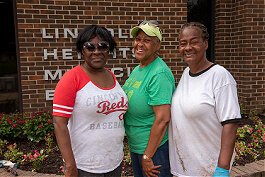
A history of disinvestment and institutional racism has meant challenges for Lincoln Heights since it was founded. But a window of opportunity is open that can move the community forward.
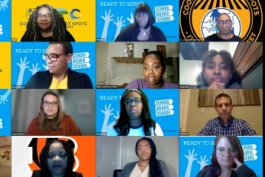
School Board School and CPS partner again to hear innovative ideas during Policy Pitch Night.
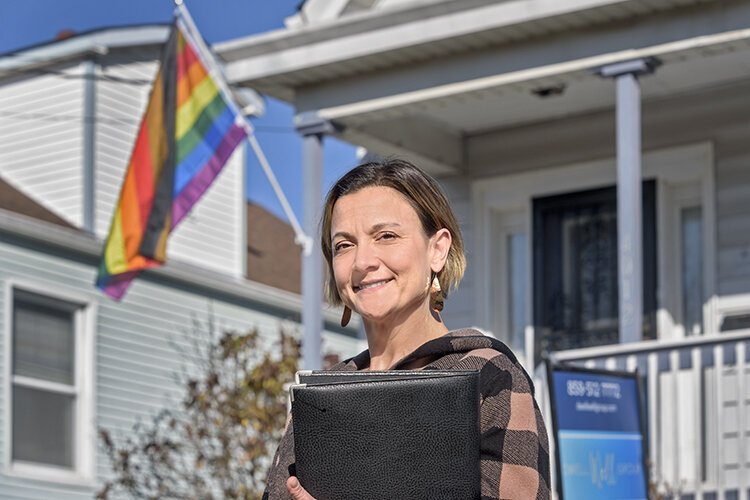
Remote and hybrid employment has caused regional and commute considerations to become obsolete for some, creating an increased interest in neighborhoods that may have been overlooked.
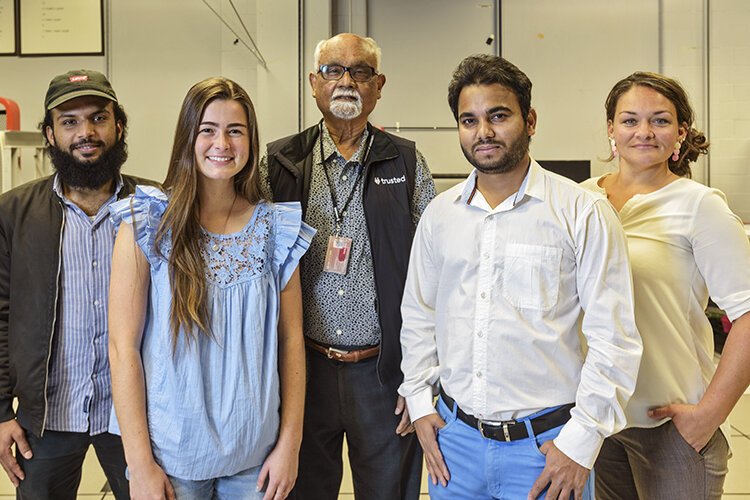
Covered in latex or water based paints applied by decades of homeowners, lead paint remnants remain hidden in the majority of American homes built prior to 1978.
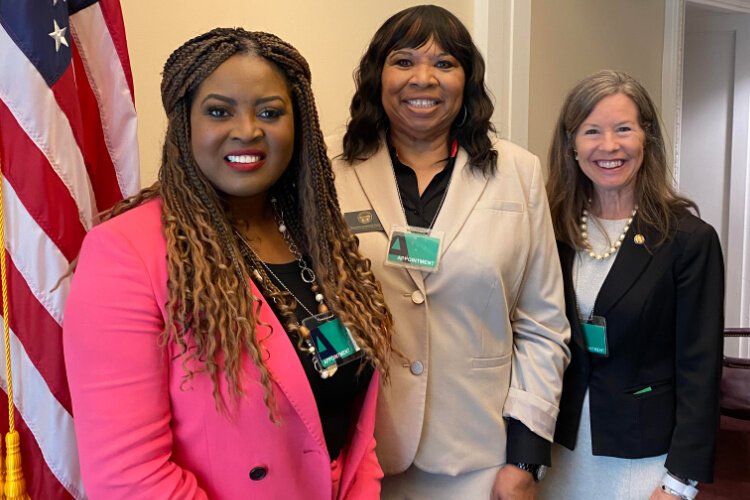
This money went towards immediate, long-term, and transformational needs.
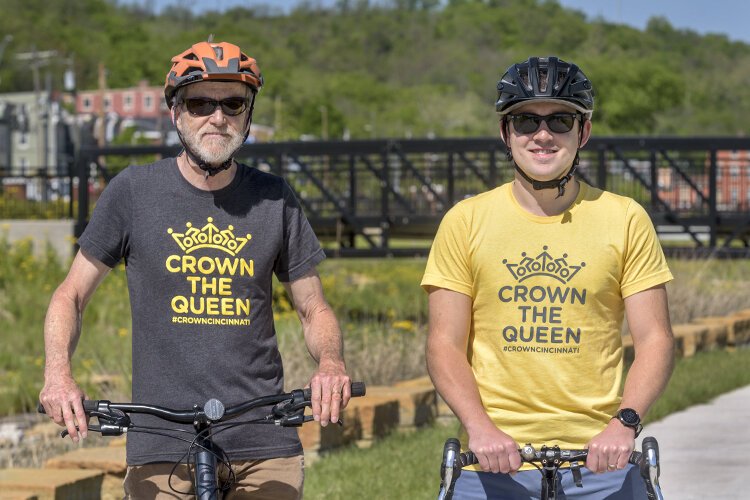
Private and public entities join forces to link communities in health, transportation, environmentalism and commerce.
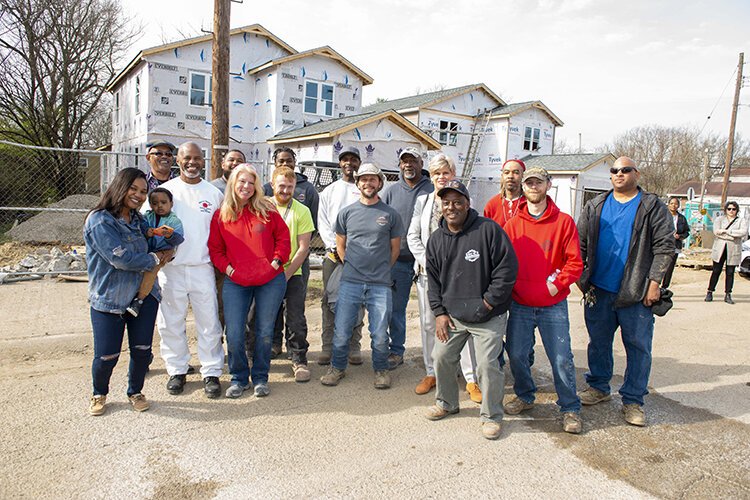
In this tale of two communities, Lincoln Heights and Forest Park tackle housing with diligence.
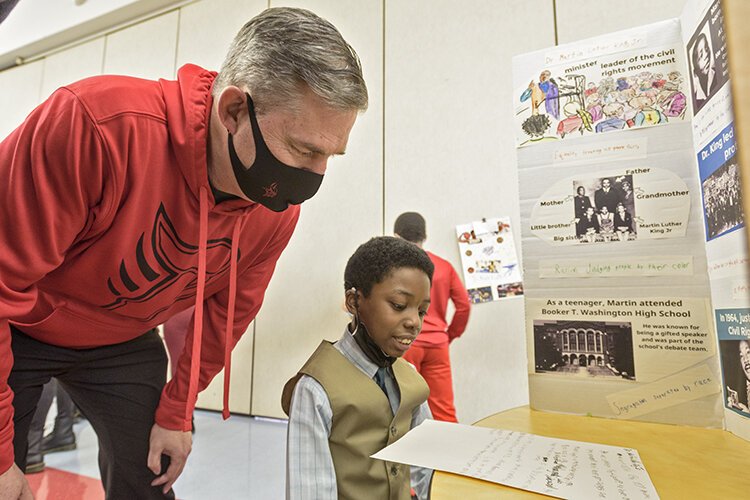
"When you look at the sheer definition of what equity is, it should very much be meeting kids’ needs where they are. That's really what it's about,” distinguishes Superintendent Tom Burton.
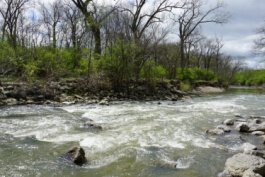
Thanks to a $120,000 federal grant from the U.S. Environmental Protection Agency, improvements will be made to the Mill Creek Watershed.
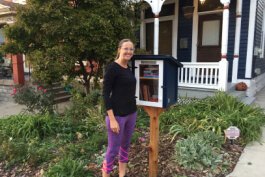
These “street libraries” help build community, boost literacy, and make people smile.
Our Partners