
Government checks and balances: How the border wall pushes the limits
Our Founding Fathers designed "separation of powers" as a way to keep any single branch — executive, legislative, or judicial — from gaining too much power.

Our Founding Fathers designed "separation of powers" as a way to keep any single branch — executive, legislative, or judicial — from gaining too much power.

If you love trivia and Jeopardy, test your knowledge about local and national law. Join your neighbors at a participating library for an hour of friendly competition.

Although marriage equality is the law of the land, there's still a long way to go since the groundbreaking Supreme Court decision in Obergefell v. Hodges.

For those who have fled to Ohio from other countries, becoming an official resident isn't always easy.
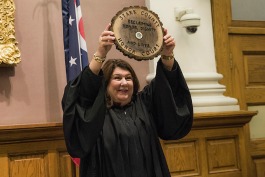
Stephen Rangel was arrested 63 times before Stark County Judge Taryn Heath decided he was a good candidate for the new honor court for veterans and active duty service members. Four years later, Rangel is arrest free, drug free, and a volunteer mentor.

The U.S. Supreme Court's "Citizens United vs. Federal Elections Commission" ruling in 2008 opened the floodgates to fundraising and spending on campaign ads. Ohio is at the center of the issue.
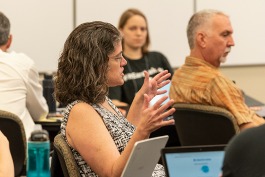
Most American's don't know the basic workings of their government or the key provisions of their Constitution. Do you? Test yourself with our Civics Essential self-assessment survey.

Voting isn't just about exercising rights, it's about making a difference. You can't effect change or have your voice heard if you don't vote, and you can't vote unless you are registered.
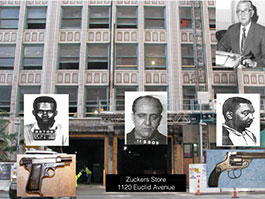
Read the first story in our series about how the 1967 Terry v. Ohio case established the law for procedures that protect your Fourth Amendment right to be left alone while also protecting the safety of police officers and the public.

Ludlow city administrators discuss its history and accessible riverfront location, with plans for future business and residential development.
Our Partners