
Cincinnati Farm program could be in place by spring
A pilot Cincinnati Farm program could be in place by spring, with 123 parcels recommended for further study.These 123 parcels will be narrowed down to between 5 and 10 to participate in the pilot, which will then be leased to end users for neighborhood gardens at nominal cost.In a report to council, city manager Milton Dohoney Jr. recommends forwarding the list of parcels to controlling agencies to determine if they’re needed, then holding meetings with the Law Department, the Office of Environmental Quality, and other City departments to determine management criteria and logistics.A public meeting will likely be held later this month to gauge interest.Following the meetings, the City would name a coordinating agency to run the program and draft a specific policy to guide it.Soil tests will be performed on the selected sites to check for contaminants before any agreements are signed.In October, vice mayor David Crowley introduced the proposal in a council motion as a way to put hundreds of vacant City-owned properties to productive use.Cincinnati staff used GIS technology to screen over 18,000 City-owned parcels, selecting only properties at least 0.2 acres in size with low tree canopy cover and less than 30 percent slope.Writer: Kevin LeMasterSource:Photography by Scott Beseler Ell Farm
A pilot Cincinnati Farm program could be in place by spring, with 123 parcels recommended for further study.
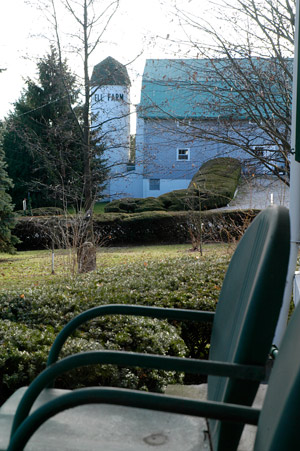 These 123 parcels will be narrowed down to between 5 and 10 to participate in the pilot, which will then be leased to end users for neighborhood gardens at nominal cost.
In a report to council, city manager Milton Dohoney Jr. recommends forwarding the list of parcels to controlling agencies to determine if they’re needed, then holding meetings with the Law Department, the Office of Environmental Quality, and other City departments to determine management criteria and logistics.
A public meeting will likely be held later this month to gauge interest.
Following the meetings, the City would name a coordinating agency to run the program and draft a specific policy to guide it.
Soil tests will be performed on the selected sites to check for contaminants before any agreements are signed.
In October, vice mayor David Crowley introduced the proposal in a council motion as a way to put hundreds of vacant City-owned properties to productive use.
Cincinnati staff used GIS technology to screen over 18,000 City-owned parcels, selecting only properties at least 0.2 acres in size with low tree canopy cover and less than 30 percent slope.
Writer: Kevin LeMaster
Source:
Photography by Scott Beseler
Ell Farm
Author

Related Articles
Madisonville’s renewal has been decades in the making
A long-term effort to revive Madisonville’s business district is taking shape through community planning, new development and local entrepreneurs investing in the neighborhood’s future.
Restoring Sedamsville one historic home at a time
An $8.4 million investment is bringing homeownership and a renewed sense of possibility to one of Cincinnati’s smallest neighborhoods.
More than $1 million granted to first suburbs to spark economic impact
The money is meant to kick start improvements in business districts and help achieve long-term plans.