[OPINION] ODOT missed by not funding the Western Hills Viaduct and other urban projects
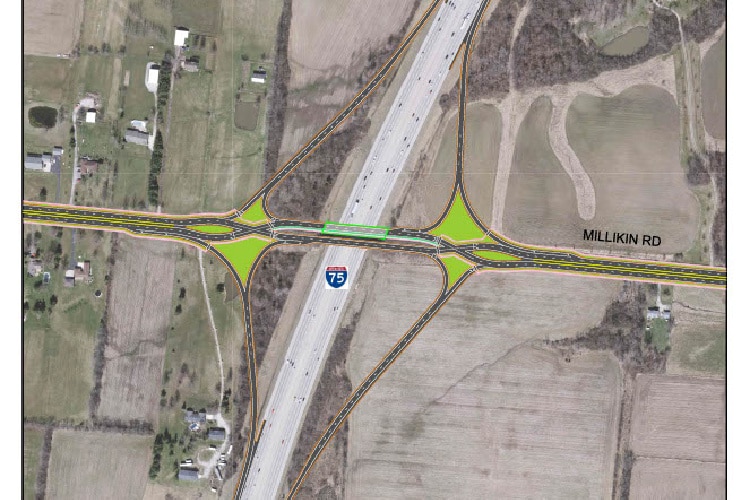
The only funded project in the Cincinnati region is a proposed interchange area that is currently farm fields.
In late April, the state body that reviews and decides on major transportation funding requests approved 11 projects, totaling $123.1 million.
Hamilton County did not get any funding, despite submitting three proposals this year. This included a plead for $50 million in needed funding for replacing the Western Hills Viaduct.
Who is TRAC
The Ohio Department of Transportation’s (ODOT) Transportation Review Advisory Council (TRAC) is a nine-member appointed body that advises ODOT on which major (e.g. expensive) new transportation projects the state should fund.
TRAC members have a difficult job. This year they had to decide among 27 project requests, totaling $640.2 million. These requests included projects as diverse as the Western Hills Viaduct, new light rail cars in Cleveland, and roadway expansions in rural eastern Ohio.
Diminishing resources
Inflation is a major reason why TRAC was able to fund only a portion of requests this year. Ohio’s gas tax is producing 70 cents on the dollar compared to seven years ago, when it was last increased. Recent world events have produced inflationary conditions and rising oil prices. And lawmakers are unlikely to look for new ways to generate revenue.
In short: fewer dollars are available to fund Ohio’s transportation infrastructure projects now and into the future.
Critical project—Western Hills Viaduct Replacement—went unfunded this year
TRAC had previously classified the Western Hills Viaduct replacement project as a Tier 1 project—the highest priority. The current Viaduct is nearly 100 years old and the bridge is in “poor” condition.
More than 55,000 vehicles a day use the Viaduct to travel between the west side of Cincinnati and Downtown and Uptown, two significant job hubs in the region.
Preparatory work for the new Viaduct has already begun and the first phase of construction, which will set the pylon foundations for the new Viaduct, kicks off this spring.
Despite being a critically important project for the city and region, a worthy, Tier 1, project like the Viaduct was not funded. So what was?
Speculative highway expansions
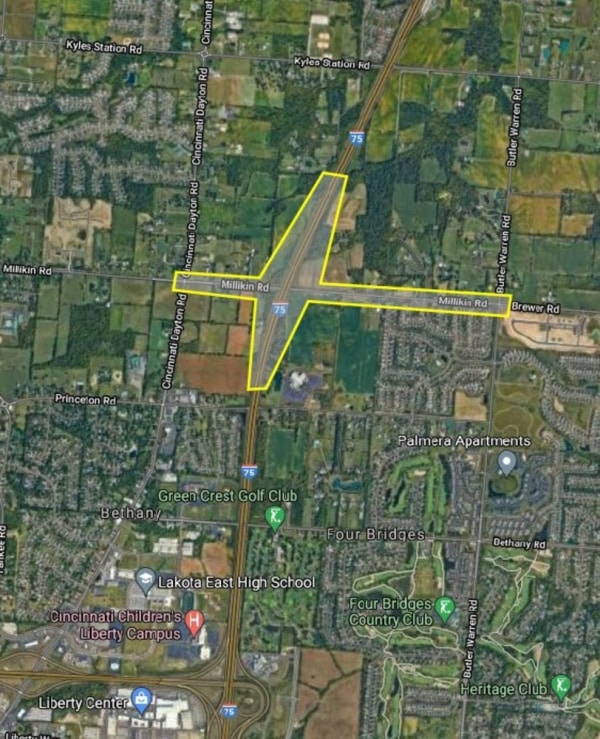
The only project in Greater Cincinnati that received TRAC funding was a $27 million project in Butler County to construct an interchange at I-75 and Millikin Road. This new interchange will be built 2 miles away from an existing interchange to the south, and 3 miles away from another to the north. Currently, the proposed interchange area is farm fields. Local officials are pitching this project as an economic development opportunity.
TRAC’s largest investment in 2026—$35 million—will expand lanes on the interchange serving suburban Cleveland’s new football stadium. The stadium is supposed to receive $600 million from the state’s unclaimed taxpayer funds and is expected to spin off retail and restaurants near the TRAC funded roadways.
These two projects received 50% of all funds TRAC awarded for the year. Both speculate that development around ODOT’s investments will generate economic activity.
Not Funding the Viaduct is a Missed Opportunity
TRAC’s Policy and Procedures website says the TRAC should “select transportation projects that best benefit and serve the people of Ohio.”
Building new roads creates new ongoing maintenance costs. It seems unlikely that Ohio will ever have the same levels of state or federal funding for infrastructure that it once did. As such, more prudent use of TRAC funds would be to keep Ohio’s existing transportation system in top form, rather than adding to the system.
TRAC has said that anticipated economic benefits informed which projects they fund. But the interchange in Butler County and the stadium’s interchange improvements largely expect retail and restaurants, which don’t generate the income, and thus taxes, of downtowns or dense urban areas.
In the 1970s, policymakers assumed more highway lanes and complex interchanges were the path to prosperity. Today, Akron is removing part of a highway from its downtown and Youngstown and ODOT maintain miles of under-used highways around the city. Akron and Youngstown were among Ohio’s most prosperous cities just five decades ago.
TRAC decisions need to account for contracting resources and invest in projects that will have the greatest multiplier effects. Typically, that is in existing communities with existing residents where decades of public and private investment have already been committed, and where high-income job hubs are well established.
Funding expansion projects at the expense of the Viaduct was a missed opportunity for the Greater Cincinnati region and the state as a whole.
Greater Ohio Policy Center is a statewide nonprofit that advances strong local economies and community revitalization across Ohio by equipping communities and leaders with place-based research, collaboration, and advocacy.
The views expressed herein do not necessarily represent those of Soapbox Cincinnati or Issue Media Group.
Author

Related Articles
An ambitious vision, the Triangle Trail would connect more than a dozen communities. It’s making progress.
The 42-mile path would improve access to recreational opportunities in communities through the Mill Creek Valley.
Safe speed: Why towns in Hamilton County are slimming down their main roads
The “road diet” is increasingly being considered to slow speed while at the same time keep traffic flowing.
Taming The Pike: How one town wants to turn a busy roadway into a village square
Can a high-speed thoroughfare be slowed down to become a community asset?