
GCWW’s new facility enhanced by UV technology
To every outdoorsman, germophobe and gadget geek who has looked skeptically at UV water purifiers, consider this: The Metropolitan Sewer District of Greater Cincinnati will soon use the same basic technology as products like the Steripen purifier to disinfect the city’s water.Greater Cincinnati Water Works (GCWW) is on track to open a 19,600 square-foot UV disinfection facility at its Richard Miller Treatment Plant on Kellogg Avenue by the end of 2012. According to Calgon Carbon, the company building the UV units for the plant, the $30 million facility will be able to treat up to 240 million gallons of water a day.The UV treatment will actually be the third step in the plant’s disinfection process. Water first flows through a sand filtration system; just like it sounds, sand traps larger particles as the water is forced through it. The water then flows through a Granular Activated Carbon (GAC) filter, which uses a type of charcoal to pull more chemicals out of the water.Both of these systems are effective and time-tested, but they can’t catch some of the worst drinking water contaminants: microorganisms and viruses that can cause diseases like gastroenteritis, typhoid fever and cholera. Until now, most water utilities have relied on a system in which chlorine is added to – then removed from – the water. It’s effective, but can’t kill all the microorganisms, and leaves trace amounts of chlorine (a deadly gas in its pure form) in the drinking water. While UV disinfection won’t eliminate the need to use chlorine in Cincinnati’s water, it will add another layer of protection. UV disrupts the internal mechanisms in microorganisms and certain viruses, leaving them unable to multiply or killing them outright.So why add the large, sophisticated, $30 million extra layer of protection for Cincinnati water drinkers? The city has not seen an outbreak of a waterborne disease such as Giardia or Cryptosporidium in the recent past, after all. According to a GCWW report, part of the reason is that there’s been cause for concern about just such a problem occurring. A wastewater treatment plant in Alexandria, Kentucky, releases treated water into the Ohio River 11 miles upstream of the Richard Miller facility. And while GCWW doesn’t report concerns about the Kentucky treatment facility’s ability to do its job, it’s taking a “trust, but verify” approach to the issue.”New or unexpected contaminants are sure to be discovered in our source water in the future,” reports the GCWW. “UV disinfection, combined with GCWW’s current treatment processes, provides an extra layer of protection against those contaminants. This is an important step in insuring public health now and for future generations.”Writer: Matt CunninghamPhotography provided
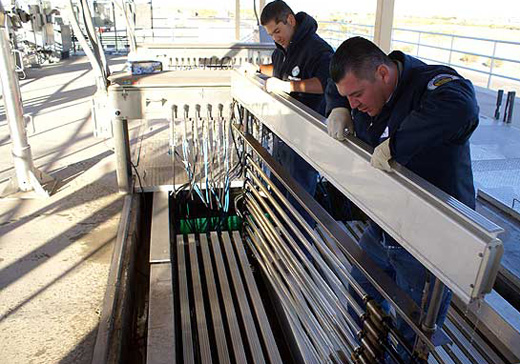 To every outdoorsman, germophobe and gadget geek who has looked skeptically at UV water purifiers, consider this: The Metropolitan Sewer District of Greater Cincinnati will soon use the same basic technology as products like the Steripen purifier to disinfect the city’s water.
Greater Cincinnati Water Works (GCWW) is on track to open a 19,600 square-foot UV disinfection facility at its Richard Miller Treatment Plant on Kellogg Avenue by the end of 2012. According to Calgon Carbon, the company building the UV units for the plant, the $30 million facility will be able to treat up to 240 million gallons of water a day.
The UV treatment will actually be the third step in the plant’s disinfection process. Water first flows through a sand filtration system; just like it sounds, sand traps larger particles as the water is forced through it. The water then flows through a Granular Activated Carbon (GAC) filter, which uses a type of charcoal to pull more chemicals out of the water.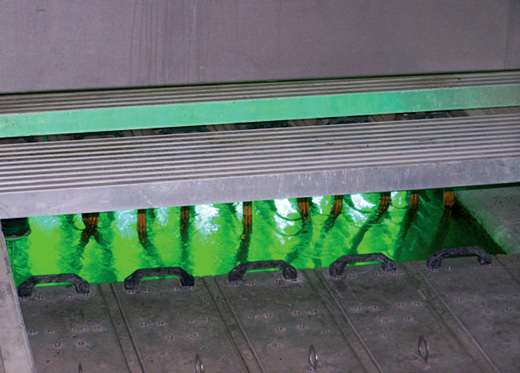
Both of these systems are effective and time-tested, but they can’t catch some of the worst drinking water contaminants: microorganisms and viruses that can cause diseases like gastroenteritis, typhoid fever and cholera. Until now, most water utilities have relied on a system in which chlorine is added to – then removed from – the water. It’s effective, but can’t kill all the microorganisms, and leaves trace amounts of chlorine (a deadly gas in its pure form) in the drinking water.
While UV disinfection won’t eliminate the need to use chlorine in Cincinnati’s water, it will add another layer of protection. UV disrupts the internal mechanisms in microorganisms and certain viruses, leaving them unable to multiply or killing them outright.
So why add the large, sophisticated, $30 million extra layer of protection for Cincinnati water drinkers? The city has not seen an outbreak of a waterborne disease such as Giardia or Cryptosporidium in the recent past, after all.
According to a GCWW report, part of the reason is that there’s been cause for concern about just such a problem occurring. A wastewater treatment plant in Alexandria, Kentucky, releases treated water into the Ohio River 11 miles upstream of the Richard Miller facility. And while GCWW doesn’t report concerns about the Kentucky treatment facility’s ability to do its job, it’s taking a “trust, but verify” approach to the issue.
“New or unexpected contaminants are sure to be discovered in our source water in the future,” reports the GCWW. “UV disinfection, combined with GCWW’s current treatment processes, provides an extra layer of protection against those contaminants. This is an important step in insuring public health now and for future generations.”
Writer: Matt Cunningham
Photography provided
Author

Related Articles

More than $1 million granted to first suburbs to spark economic impact
The money is meant to kick start improvements in business districts and help achieve long-term plans.

Middletown, Butler County leaders mull fate of city’s historic buildings
As the city looks for a new path forward, perspectives may vary, but there is shared enthusiasm for an invigorated downtown.

Coming Clean with Paul Sturkey, America’s River Roots captain of cuisine
Food and music always have and always will be a common thread that bring people together according to this regional culinary legend.