
How Do We Look?
On the eve of our third anniversary, Soapbox gets a brand new look, expanded neighborhood coverage, and a new section that highlights important nonprofit news and issues in our city. Managing Editor Sean Rhiney takes a look at how Soapbox has helped shape the continuing conversation about Cincinnati, both near and far.
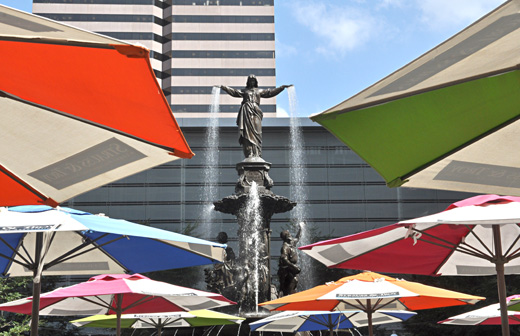
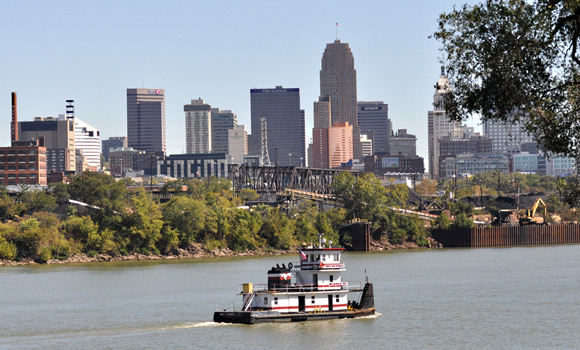
Cincinnati, hasn’t always been the best at defining its image.
Ten years ago this Spring, I was in London when I stopped in at the internet café to check email and saw the headline “Cincinnati in riots” on my Yahoo home page. The remainder of the trip was full of “is your town really that bad?” everytime the topic of Cincinnati came up. Of course, former Red’s owner Marge Schott had laid the foundation for this query a few years before with racial quips that lit the sports world on fire. We were 0-2 when it came to perceived diversity.
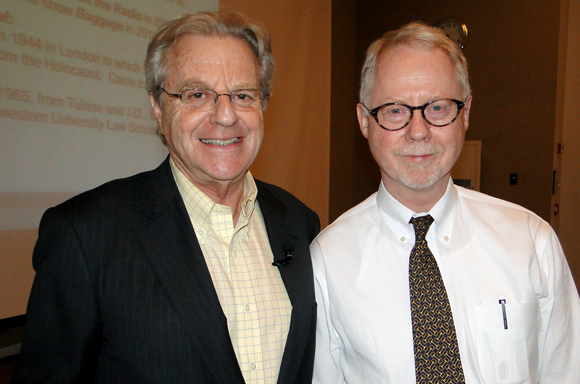
This past week, another famous Cincinnatian, ex-Mayor and super celeb, Jerry Springer, was in town to talk politics with Professor Terry Grundy’s class at DAAP. During his lecture, Springer recalled that the very first taping of his soon to be globally infamous show was right here in Cincinnati. It was 1991, Springer recalled, and the show was on interracial dating. He said because of the topic, ‘there were protestors.”
Cincinnati has changed quite a bit since then and while some of our societal issues pervade, the fact is we struggle with how we are perceived by the rest of the world, and sometimes within our own community. And mainstream local media didn’t really do much to help our self-esteem in those dark days. Headlines predicted doom, obsessing about the creative class’ exodus out of the state two by two on that new ark they’re building in Cynthiana, Kentucky.
Two weeks ago City Council Member Laure Quinlivan invited leaders from the City, Regional Chamber, and the Convention and Visitor’s Bureau to share with her Quality of Life committee just what the world is seeing when Cincinnati markets itself. “I’m curious to know what people across the country think of when they think of Cincinnati,” said Quinlivan in advance of the meeting. The results highlighted some of the important work these organizations do in making Cincinnati an answer, and less of a question mark when businesses, tourists, and individuals consider where to live.
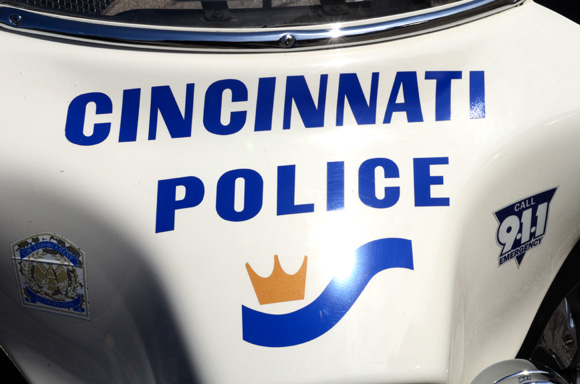
Recently, we’ve had a triple dose of Cincinnati in the limelight. Our Mayor will be on a popular television show, Undercover Boss, some of our finest law officers are featured in Police Women of Cincinnati, and Oscar winner Kathy Bate’s show Harry’s Law is set in a fictionalized version of Over-the-Rhine. Each show will offer the world a little “glimpse” of Cincinnati, whether it’s the mean streets, our skyline, or showcasing our local leadership.
Over the past three years, Soapbox has helped Cincinnati take a better look at itself too. We now have over 37,000 readers that are subscribed to receive Soapbox each week – that’s 10,000 more than last year, and includes those of you outside the Cincinnati USA region that make up one-third of our readership. I’ve met dozens of people who have used our publication as a primary resource to learn about our neighborhoods, businesses, culture, and people. Last year in celebrating our 100th issue, Soapdish columnist Casey Coston made a great case for how Soapbox should take some credit for helping to shift the media’s approach as well, and I agree with his analysis. One way or another, we’re part of changing the conversation about what people think about our city, inside and out.
This week, on the eve of our third anniversary of publication, Soapbox relaunches with a new look and platform. We’ve upped the ante on the number of neighborhoods profiled on our site,now featuring 34 of our 52 great communities. And we’ve added a new editorial section called “For Good,” raising the profile of our region’s nonprofits and the work they are doing as well as profile key community issues. I encourage you to share your great nonprofit stories with our For Good editor, Elissa Sonnenberg. And you should continue to expect great things from our innovation and development sections, and great feature profiles about the people, places and things that make Cincinnati look good.
After all, we think Cincinnati is pretty good looking, and we’re glad you do too.
Photography by Scott Beseler.
Related Articles
Fewer options, fuller ERs: The behavioral health fallout of Medicaid cuts
MHA advocates for state funding that preserves behavioral health care and keeps rural hospitals open.
What does the new childhood vaccine schedule actually mean for your family?
Officials say not much will change. Experts aren’t so sure.

New platform to share ‘Common Ground’ from community ideas and solutions
Issue Media Group, a multilocal network of solutions-based, issues-focused digital publications, has launched a new national platform for increasing the reach and impact of its journalism.