
The big job of elder support: Mitigating isolation and loneliness for senior citizens
Little Brothers Friends of the Elderly fosters connections among societal elders through everyday acts of inclusion and compassion.
Mt. Airy was first settled in 1806 and incorporated in 1865 from land granted by Mill Creek and Green townships. In 1911, Mt. Airy was annexed into the city of Cincinnati. The racially diverse community, which had 9,210 residents according to the 2020 U.S. Census, is a varied mix of single-family and high-density housing. The community is home to two Queen City icons: Mt. Airy Forest, which provides 1,459 acres of greenspace that’s one of the largest urban municipal forests in the U.S., and the Mt. Airy Water Tower; a majestic, 15-building, 8.5-million-gallon-capacity structure that resembles a medieval fortress. The Water Tower has kept the Mt. Airy community hydrated since 1927. In 2018, when the possibility of demolishing the Mt. Airy Water Tower was proposed, Mt. Airy residents successfully embraced the effort to have the Water Towers designated as an historic city landmark.

Little Brothers Friends of the Elderly fosters connections among societal elders through everyday acts of inclusion and compassion.
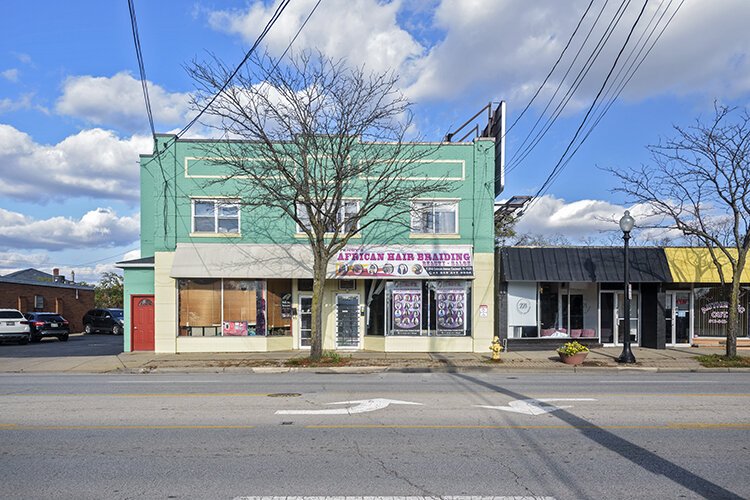
Members of economic-development organization, Mt. Airy CURE, discuss challenges, priorities, and opportunities to deliver what the community wants and needs.
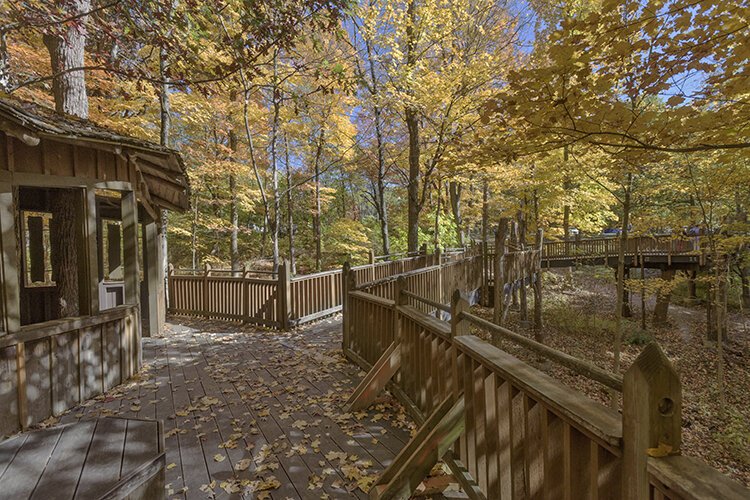
Mt. Airy Forest is as vital as ever.
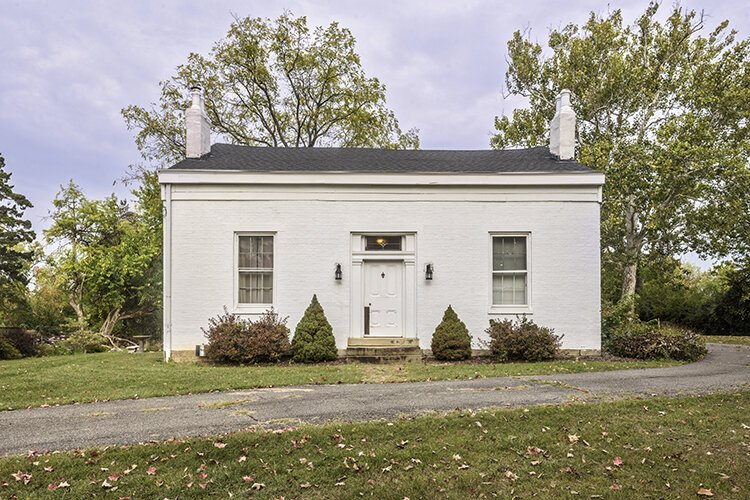
The Cincinnati neighborhood has challenges, but residents say it’s time for a new narrative.
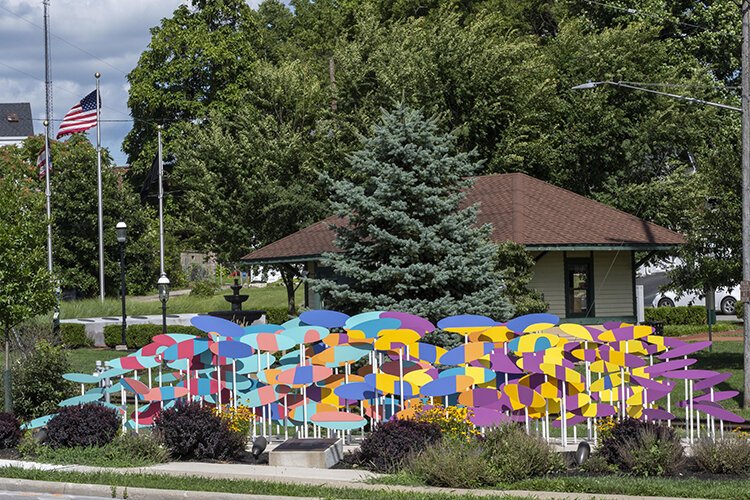
As older communities look for ways to attract new residents, retain folks who already live there, and lure new businesses, common spaces connect people to place.
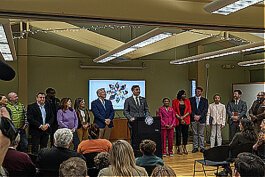
The five-year update of the plan was a sustained effort from multiple organizations, businesses, and community members.

As Congress and the states fail to update, reform, and address immigration laws and regulations, cities are where the future face of America is taking shape in real time.
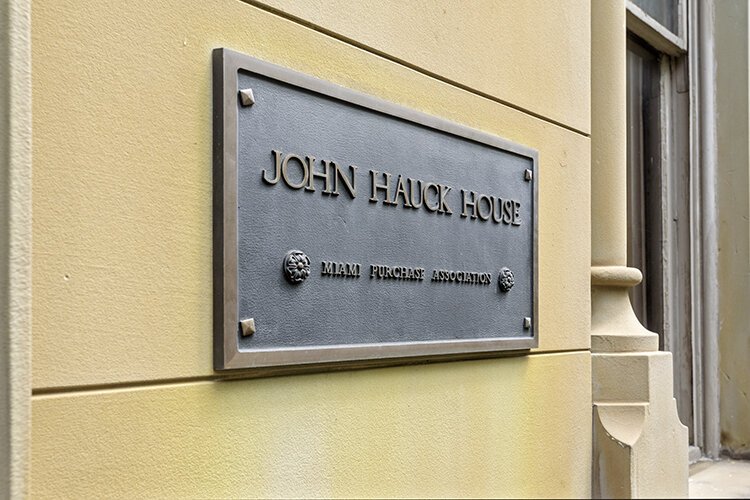
Looking ahead, CPA is working to be more proactive in how it engages the issue of historic preservation.
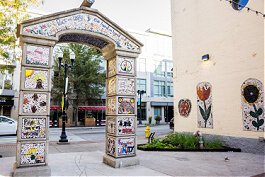
The quality of a city’s public places – its parks, streets, trails, commons and greens – are increasingly considered a barometer of the quality of life in an urban area.

A proposed charter amendment will allocate funds to support the city’s most vulnerable population.
Our Partners