
On view at the Taft Museum of Art: Intricately designed indigo-dyed quilts
The Indigo and the Art of Quiltmaking exhibition features 20 quilts created between the early 1800s and 2015.
There’s a quiet power waiting inside the Taft Museum of Art right now. That quiet power is steady and older than our attention. Indigo and the Art of Quiltmaking, featuring 20 indigo-dyed quilts from the world’s largest publicly held quilt collection, becomes a meditation on memory itself. It asks us to consider who holds history, who stitches it into being, and who is remembered because someone cared enough to sew their story into fabric.
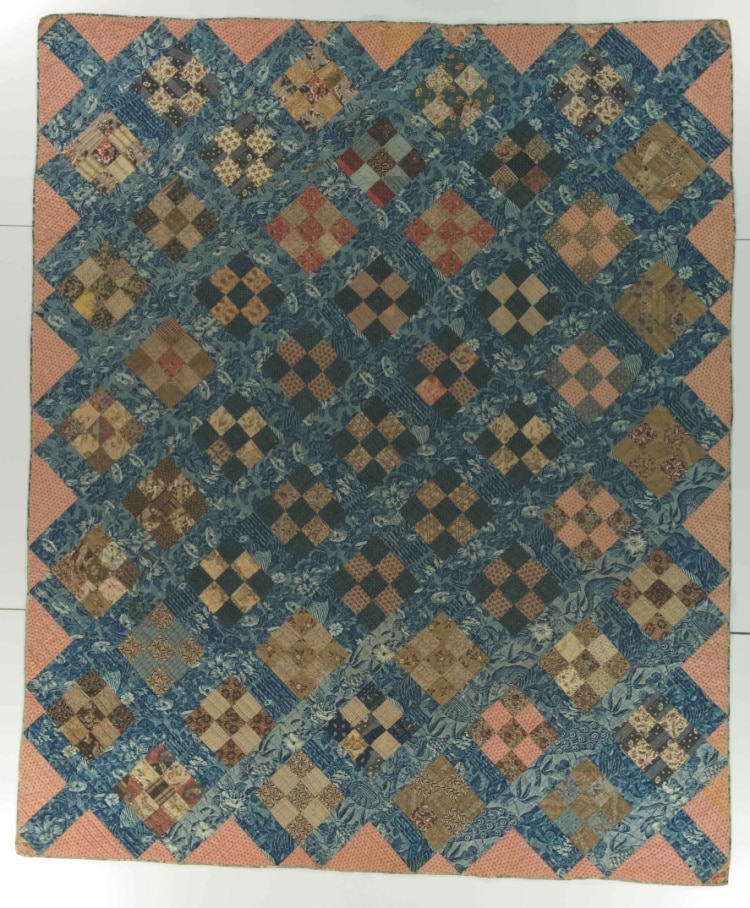
Indigo has never been just a color. Across cultures, it has symbolized labor, lineage and knowledge. The color tells of stories carried across continents and generations. In the United States, indigo’s legacy is both beautiful and painful. As a crop cultivated through the forced labor of enslaved Africans, it generated enormous wealth even as those same hands used the dye to create warmth and identity within their families and communities. The plant Indigofera tinctoria has been used for nearly 6,000 years because it refuses to fade. To create the dye, the plant’s leaves are fermented, deprived of oxygen, and transformed as they turn from green to a deep, unyielding blue purple.
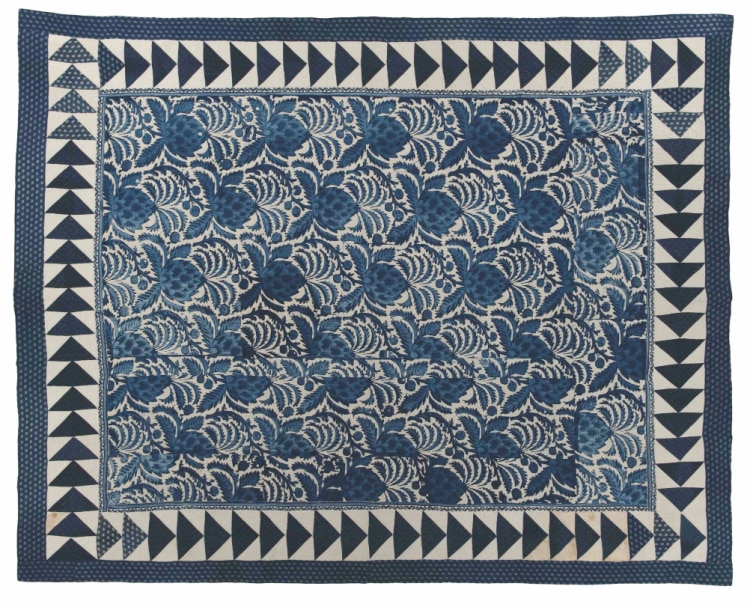
The quilts gathered for this exhibition show how indigo travels not only through trade routes and empires, but through the hands of everyday artisans. One of the earliest pieces, a Whole Cloth Quilt with a “Flying Geese” border, made between 1820 and 1840, appears simple at first glance. But closer attention reveals its quiet language: geometric rhythms repeating like memory itself. Indigo’s chemistry becomes part of the story, as the dye oxidizes in real time on fabric, patterns emerge through resist-dyeing techniques that hold color in some areas while releasing it in others. Each quilt becomes a record of patience, skill, and are made as objects to survive time.
“This exhibition highlights the intricate designs and incredible sewing skills of women textile artists through the lens of indigo, one of the oldest and most coveted dyes in the world,” says Angela Fuller, assistant curator at the Taft Museum of Art and curator of the exhibition. Her words resonate especially in pieces like the quilt by North Carolina quilter Rella Hall Thompson, whose hand-pieced and hand-quilted cotton carries a steady rhythm, almost like a conversation moving across its surface.
All twenty pieces come from the International Quilt Museum in Lincoln, Nebraska, home to nearly 11,000 quilts, the largest collection of its kind anywhere. Together, they testify to the enduring artistry, community, and humanity woven into indigo’s long story.
To deepen that connection, the Taft complements the exhibition with quilting demonstrations, indigo-dye workshops, and conversation circles. These events create spaces where people gather, learn, and pass knowledge from hand to hand. Here, indigo is not simply displayed; it is shared, as it has been for generations.
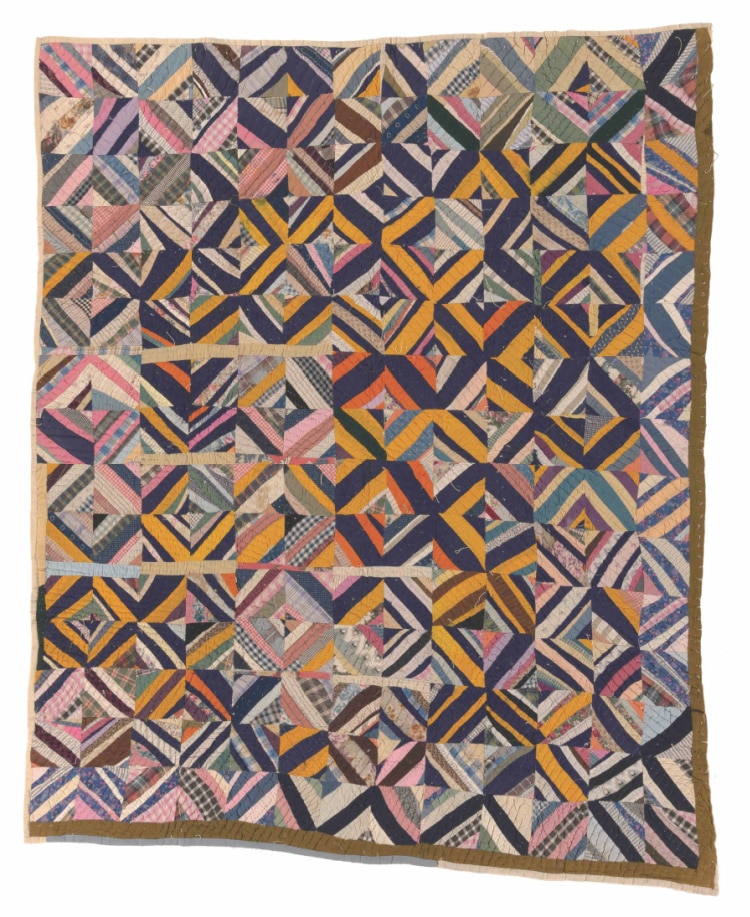
Walking through Indigo is a reminder that art is not always framed on a wall or protected behind velvet rope. Sometimes art is something held close, slept under, folded and unfolded a hundred times. These quilts carry the lives of their makers; their hands preserved in every stitch. In a world that so often feels rushed, disposable, and temporary, this exhibition is an invitation to slow down, honor what is handmade and ask: What story will remain when I am no longer here to tell it?
Throughout the exhibition’s run, visitors can continue exploring these questions through workshops, demonstrations, family programs, and curator-led tours, including a special tour with Angela Fuller on December 17.
What: Indigo and the Art of Quiltmaking
Where: The Taft Museum of Art, 316 Pike St, Downtown Cincinnati
When: This exhibition runs through January 11, 2026
Ticket information: General admission is free for Taft members, military, and youth; $15 for adults; and $12 for seniors. The Taft offers free admission every Sunday and Monday.
For more information: Indigo and the Art of Quiltmaking
Author

Related Articles
Gallery exhibition to foster conversation about the people and enterprises driving food systems
Studio Kroner presents “The Warriors, Builders & Weavers of Cincinnati’s Foodshed.”
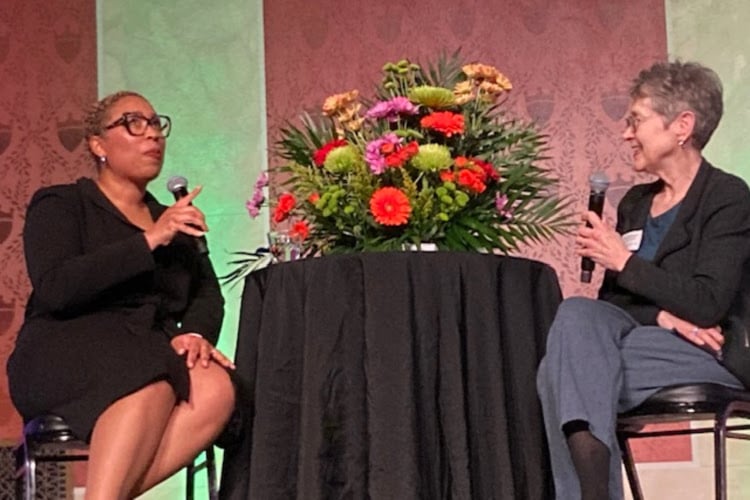
WCC, a nonpartisan organization of feisty women, brings awareness to issues facing the average citizen
Women’s City Club hosts arts activist, Gina Belafonte, who uses music and art for social justice impact.

A historian, a retired judge, and the local DAR chapter offer Middletown history lessons just in time for the nation’s 250th celebration
Engagement from the Revolutionary War through World War II reflects the city’s resilience and can-do mentality.