
Cincinnati Form Follows Function (cf3) is raising awareness of the region’s endangered mid-century modern architectural form
The nonprofit’s approach unites education, awareness, and working with other preservation associations to advocate for these unique structures.
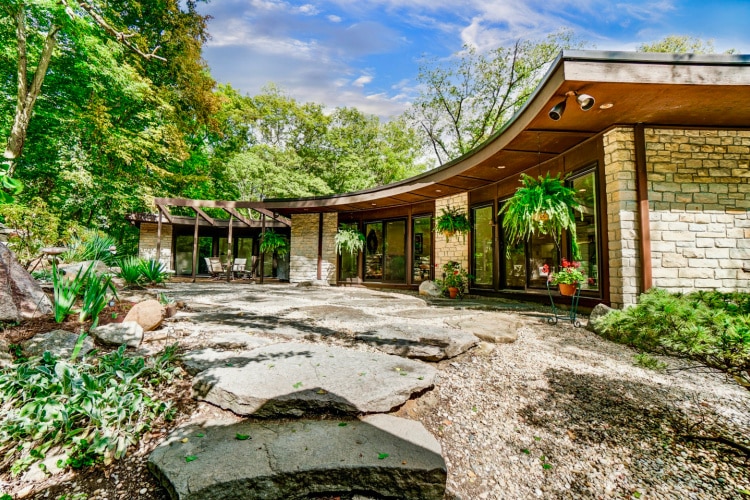
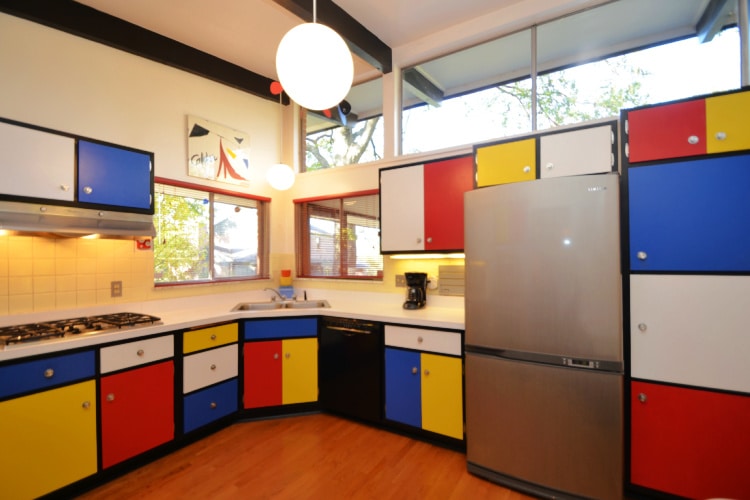
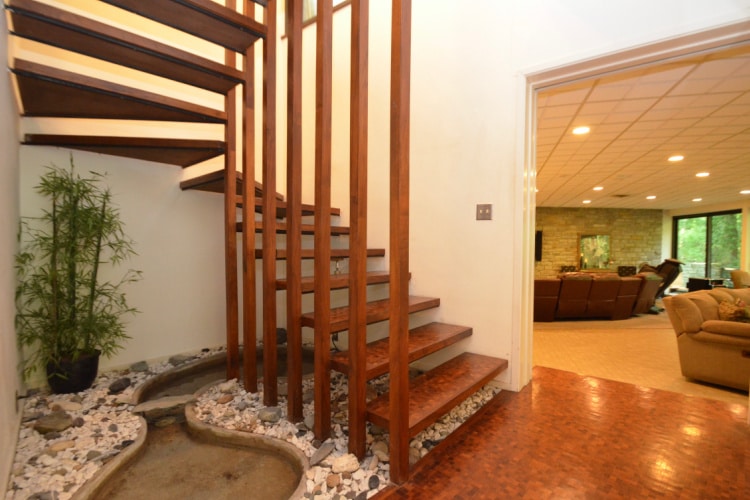
Mid-century modern design in both residential and commercial construction made popular because of architects such as Frank Lloyd Wright, is evident in all its variations throughout Greater Cincinnati. Sloping roof lines and simple entry ways that lead to walls of windows opening onto natural settings showcase the uniqueness of residential construction in this form. Modernist construction became popular between 1933 and 1965 and was an important element of design in the first ring of communities in outlying areas such as Forest Park and Finneytown, when soldiers returned after World War II and wanted to start families. On the cutting edge of this movement were proteges of Wright, as well as innovators and students at School of Design at the University of Cincinnati .
Minimal decorative features mark the exteriors of these homes. Inside, function is of the utmost importance with built-in forms such as bookcases and storage areas. No space is wasted. Homes are strategically positioned to maximize light. Roof lines are low pitched adding to a sleek line that stands as a stark differential to designs such as Dutch Colonial with its angular roofline or a Victorian that is usually two to three stories and a higher pitch to the roof. Commercial construction such as the Terrace Plaza Hotel, Procter Hall on U.C.’s campus, and the downtown library were designed by forward-thinking modernists.
Over twenty years ago, Susan Rissover, local real estate agent and owner of a mid-century modern home built in 1956 by Fred W. Pressler, met Chris Magee, a young architect and MCM enthusiast. They struck up a conversation about chairs, something Chris could not help but collect even though he and his wife were in a tiny Clifton apartment. The conversation naturally led to more discussion of houses and design. Soon, others were drawn into the conversation and before long they believed they were on to something bigger than just dinner conversation. Cincinnati Form Follows Function (cf3) was born.
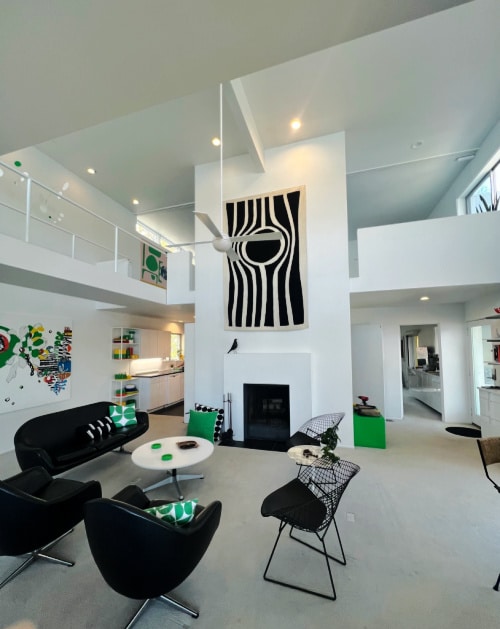
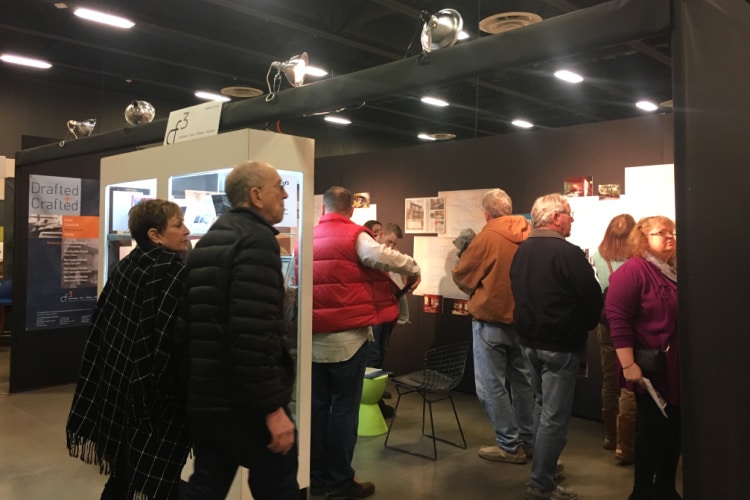
The organization’s main goal is to preserve local architecture through educational pursuits and preservation initiatives. Events include tours of local homes and commercial spaces. Lauren Young, president of cf3, organized a tour of the new FotoFocus headquarters in Over-the-Rhine, a new construction but with form indicative of modernism designed by Jose Garcia. Through the efforts of the organization, they are able to talk with architects about the “Good, the bad, and the ugly of any construction project.” They have developed an advocacy goal to attempt to save buildings or at the very least, aspects of buildings that are to be demolished. To build awareness, cf3 created ongoing coffee chats and events to highlight buildings still standing and those that have met their demise.
The unique nature of mid-century modern design gained prominence in home building before it truly took off commercially in the region. Two brothers, Benjamin and Abrom Dombar, studied with Frank Lloyd Wright at his studio, Taliesin, before going to war. When they returned to Cincinnati, they found some examples of MCM around town but much of what they saw was high-end construction. They wanted to build for the common G.I. returning to start their families and purchase a home. Their designs were unique and affordable.
Two men of prominence in the MCM movement who made a local impact were Rudy Hermes and Woodie (Woodward) Garber. Hermes attended University of Cincinnati College of Design, now known as the College of Design, Architecture, Art, and Planning, better known by its acronym D.A.A.P. Garber, although from a prominent Cincinnati family of architects, got his architectural degree from Cornell University. These designers and architects brought innovation to Cincinnati in both residential and commercial construction.
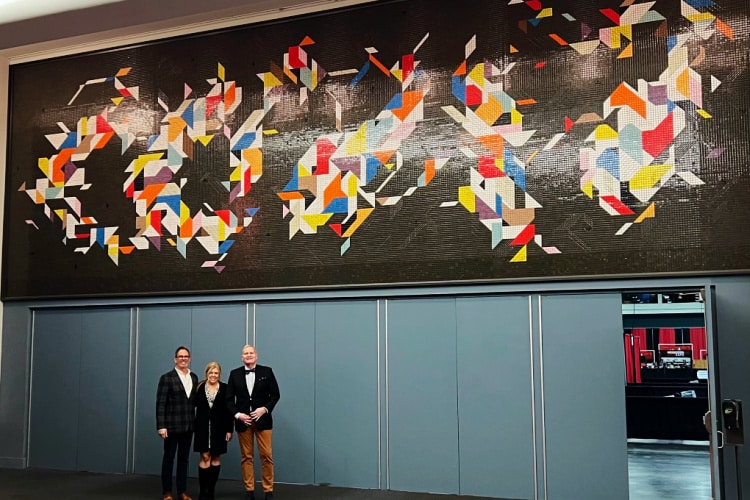
Hermes developed a design build firm with his wife Carole. Their work is prominent on the west side of Cincinnati where they designed the home of Charley and Edie Harper. Harper would go on to design a mural installation for the Cincinnati Convention Center that became cf3’s first advocacy project as the renovation of the center would have meant the permanent removal of the mural. Today, the mural has been restored as part of the current renovation project and will be visible upon entry on the Elm Street side of the building above the main entrance to the exhibition hall. It will be open to the public in January when the convention center is slated to open January 14, 2026, for Redsfest.
In the late forties, housing became a necessity and the inner ring of suburbs formed around Cincinnati. Western Hills, Finneytown, Wyoming, and Kenwood grew in terms of housing and communities. It was a one-car family society then and women would be stuck at home in these outlying areas. That created the birth of places such as Western Hills Plaza and Brentwood Plaza. Hermes and others such as Jim Alexander, dean of Industrial Design at U.C., as well as the Dombar brothers, filled the need for modern, affordable housing. While their designs were simple and followed a modernist form, they didn’t cut corners on quality.
As Rissover says, “I can walk into these homes and identify them immediately. Tile work in the bathrooms in these places is top quality.” She shakes her head at the new philosophy to rip everything out of an older home and replace it with substandard materials.
Woodie Garber is most famously identified with the design of the Cincinnati and Hamilton County Public Library located at 800 Vine Street. He developed a friendship with Harry Bertoia which led to the commission of two sculptures for the library. He incorporated Bertoia’s outdoor sculpture design, some of Bertoia’s earliest outdoor designs, into the third-floor terrace of the library. When the library board said that they could not afford the sculpture, Garber threatened to withhold the design. Garber is also known for his design of Procter Hall at the University of Cincinnati for the School of Nursing. Bertoia’s suspended metal design, “Cloud” still hangs in the lobby.
It is these stories that cf3 hopes to memorialize and help to bring further awareness to this important form. The nonprofit organization has the distinction of being a 501(c) (4). The purpose of this tax-exempt status is to be able to formulate and work toward causes that preserve and maintain this unique form of architecture.
Mid-century modern design in homes is not without it’s challenges and the organization is there as a sort of support group for people who are attempting to repair, restore, and preserve the construction. These homes are often constructed in tough, hilly environments with clay soil. Retaining walls collapse, especially in today’s environment. In the Rissover home, a major overhaul of the exterior brought further attention to the need to preserve this form of construction and design. These homes are more than sixty years old and just like any other home, things wear out. Through their educational work, cf3 hopes to develop a referral system for proper craftsmen to help with restoration projects. It’s a complicated design field and true artisans are called for to find solutions.
What does the future hold? After twenty years, the organization continues to grow with new members. They hope a focus on awareness, will solidify the form as being worth preserving. Young said they are finalizing plans to present a preservation recognition award. While it is still in the planning stages, they hope to announce the plans for submission and presentation for 2026 soon.
The organization’s three-pronged approach unites education, awareness and preservation. (cf3) is not a lobbying organization, instead finding ways, as they did with Harper’s convention center murals, to work with other preservation associations to advocate for these unique structures. Appreciation of the form grows, and Young encourages the curious to come to some of the events hosted by cf3. “Membership is one of the best bargains in town,” she said, “and many who attend a coffee chat or tour a commercial building see the value of joining cf3.”
To find out more about Cincinnati Form Follows Function (cf3 membership, coffee chats and tours, visit cf3.org.
Author

Related Articles
This inclusive Cincinnati neighborhood thrives on people power
Grassroots organizations like NEST provide neighbors with the civic muscle and voice to create the kind of places they want to live in.
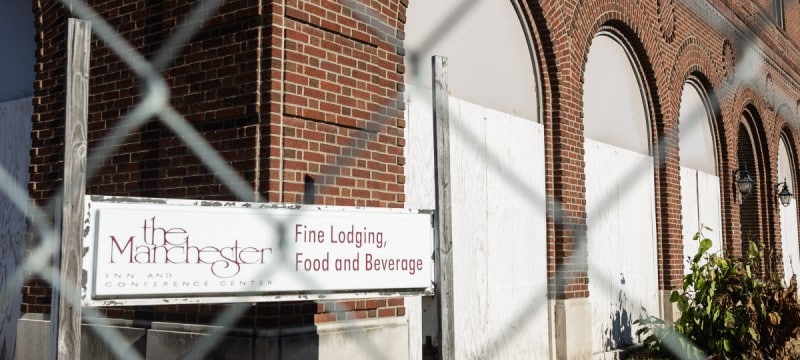
Middletown, Butler County leaders mull fate of city’s historic buildings
As the city looks for a new path forward, perspectives may vary, but there is shared enthusiasm for an invigorated downtown.
Architecture Matters panel discussion: New custom homes
The next Architecture Matters panel discussion features three CRANaward-winning architects who have been recognized for outstanding residential projects.