
Safe speed: Why towns in Hamilton County are slimming down their main roads
The “road diet” is increasingly being considered to slow speed while at the same time keep traffic flowing.
Settled in 1813, College Hill has about 16,000 residents within a 3.4-square-mile neighborhood, and is Cincinnati’s fourth largest and most diverse neighborhood. A variety of housing options — an eclectic mix of stone, brick and wood homes of every style and in every price range — make it possible for many to spend a lifetime in the neighborhood. The community owes much of its character to the 19th-century colleges that gave the neighborhood its name, and though Farmers’ College and the Ohio Female College are long gone, their campuses left behind a legacy of park-like streets. The vibrant Hamilton Avenue business district is a hub of activity, with a host of new projects planned or underway from the College Hill Community Urban Redevelopment Corp.: a new senior housing development, a storefront facade improvement program, small business recruitment and new brewery.

The “road diet” is increasingly being considered to slow speed while at the same time keep traffic flowing.

People who feel their voice matters are healthier and empowered. As divisions nationally appear to become deeper, this series, part of the larger Health Justice in Action project, examines efforts to make voices heard and improve community connections.
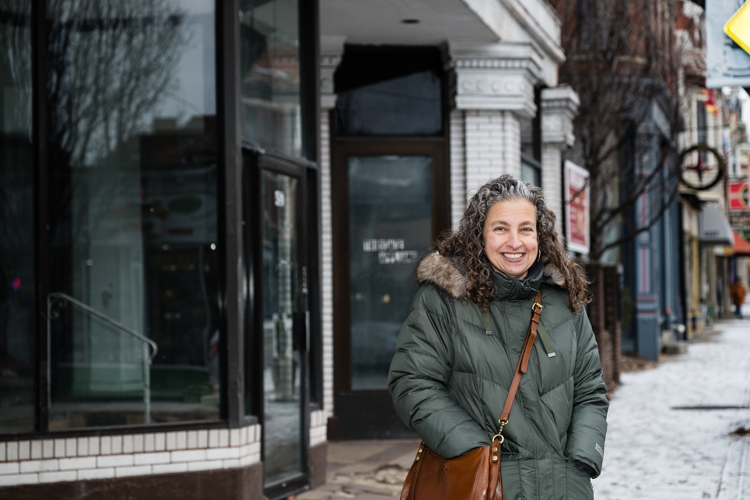
Grassroots organizations like NEST provide neighbors with the civic muscle and voice to create the kind of places they want to live in.

A community development corporation is a center of gravity for gathering ideas, organizing residents, and coming up with new solutions for an aging neighborhood.

They don’t run daily school operations, but their influence is undeniable.

As market demand changes, so do communities.

“Cincinnati was chosen for its history, distinct neighborhoods, unique communities and places, and how it has been rebuilt harnessing its own diversity to overcome adversity.”

Property control makes it unlikely that a gas station, dollar store, fast-food franchise or the like will move in to the city's emerging downtown.
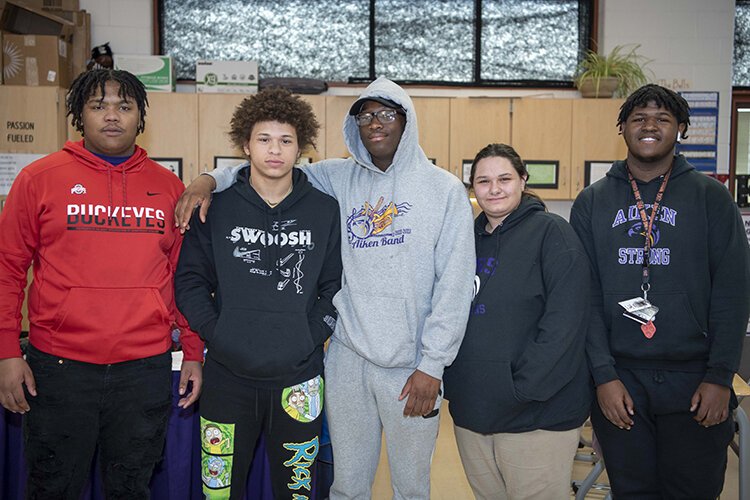
Nationally, there are about half a million fewer teachers in classrooms than prior to the start of the pandemic three years ago.

School Board School and CPS partner again to hear innovative ideas during Policy Pitch Night.
Our Partners