
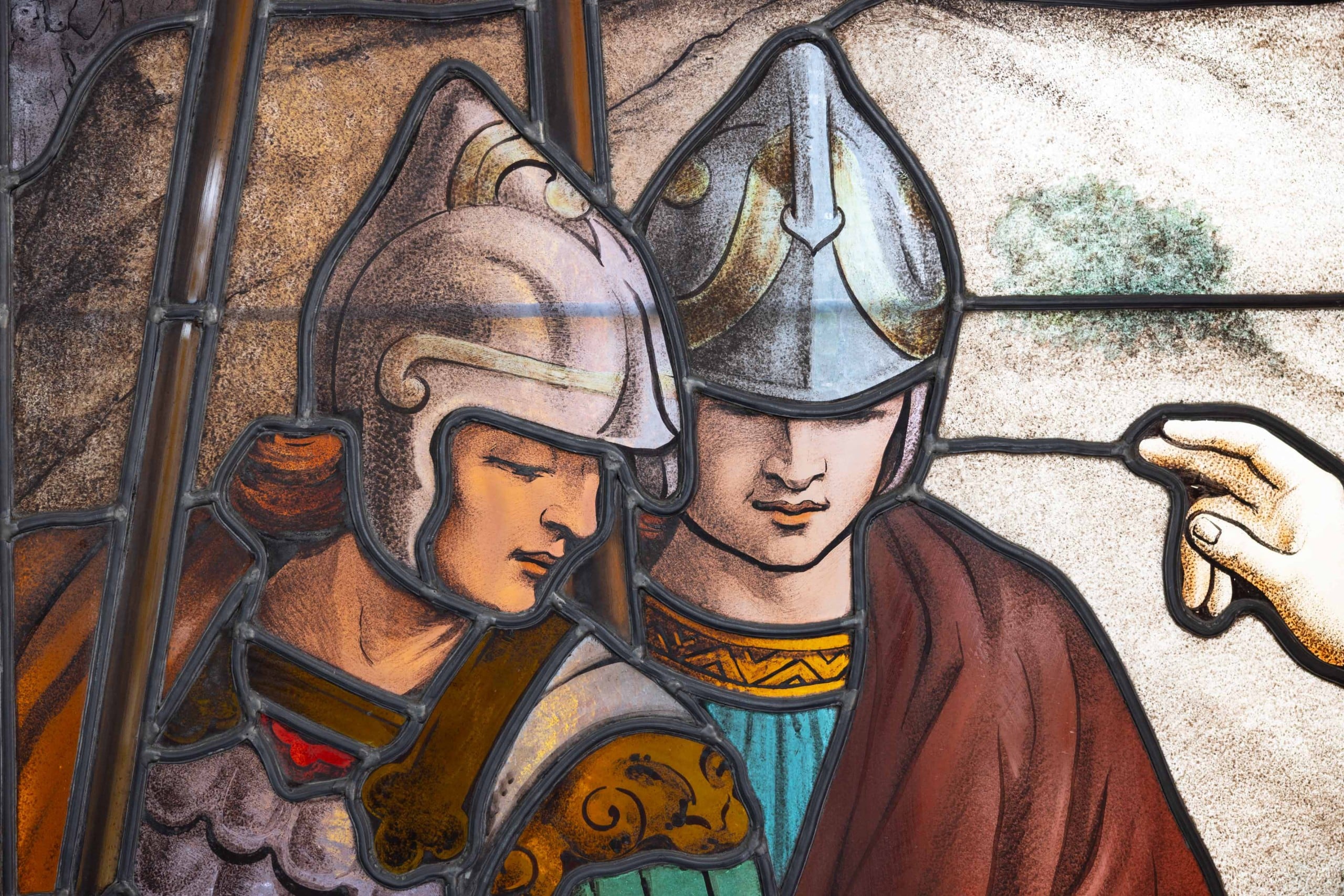
In churches, private and historic homes, and organization headquarters, stained glass provides captivating pops of color that tell stories, complement architecture, and simply provide beauty that inspires creativity and elevates moods. During medieval, Renaissance and early modern times, when literacy among the people was low, luminous, intricately designed panels were used to relate Biblical stories to the growth of the Christian church and reverence to its doctrines.
Stained glass is often overlooked and underappreciated, taken for granted as providing ubiquitous background scenery. However, their colorful tableaus provide a far more impactful cultural and theological legacy. The number of artisans skilled in stained-glass fabrication has diminished, making preserving such work in historic installations increasingly difficult.
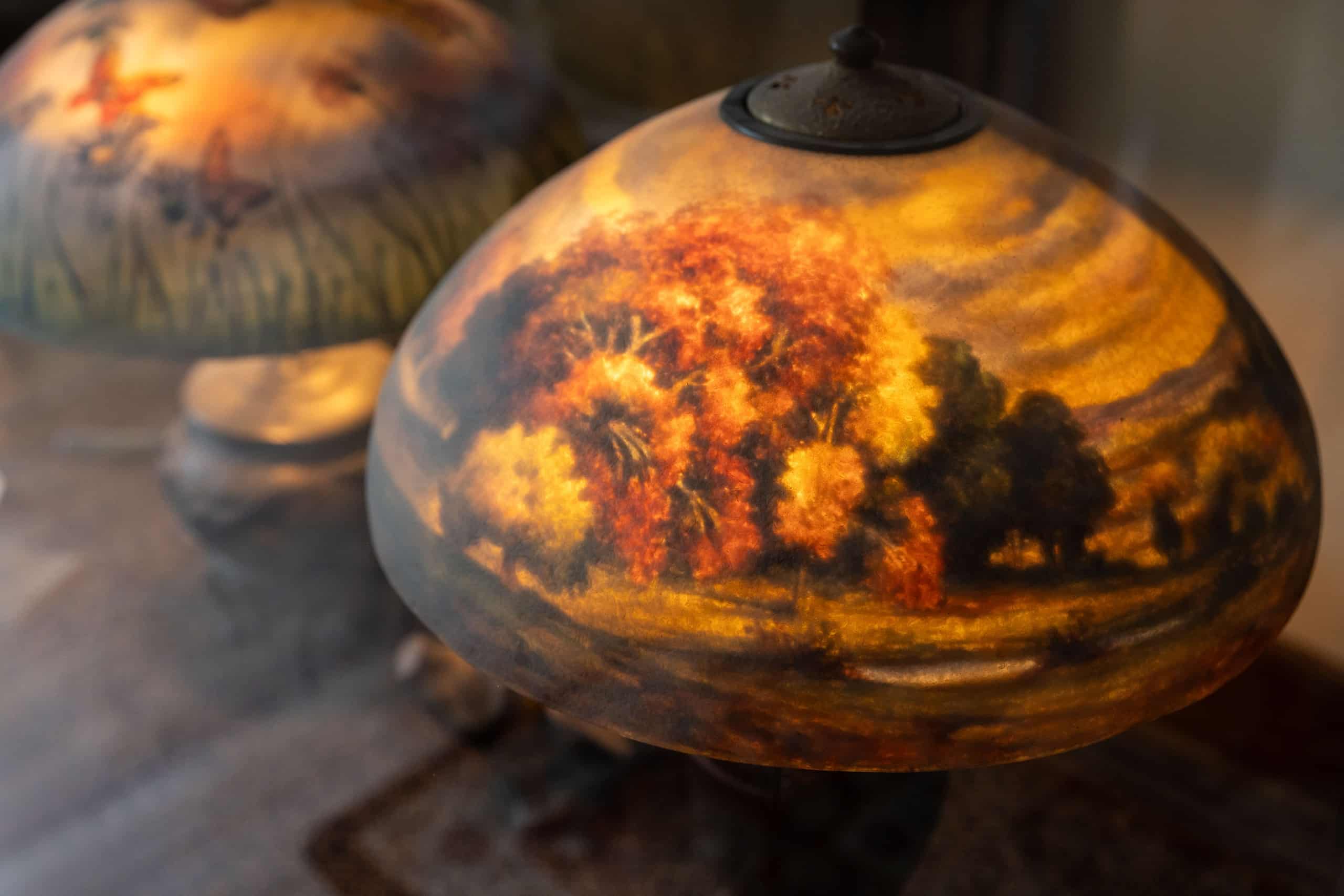
Fortunately, BeauVerre Riordan Studios, a beautifully restored stained-glass studio provides intricately designed artisanal glass panels, as well as lamps and other vibrant decorative pieces. Jay and Linda Moorman have plied their trade for more than 40 years. For the last two decades, BeauVerre Riordan has headquartered on Central Avenue in downtown Middletown, in a building gutted down to the studs to create their one-of-a-kind showplace.
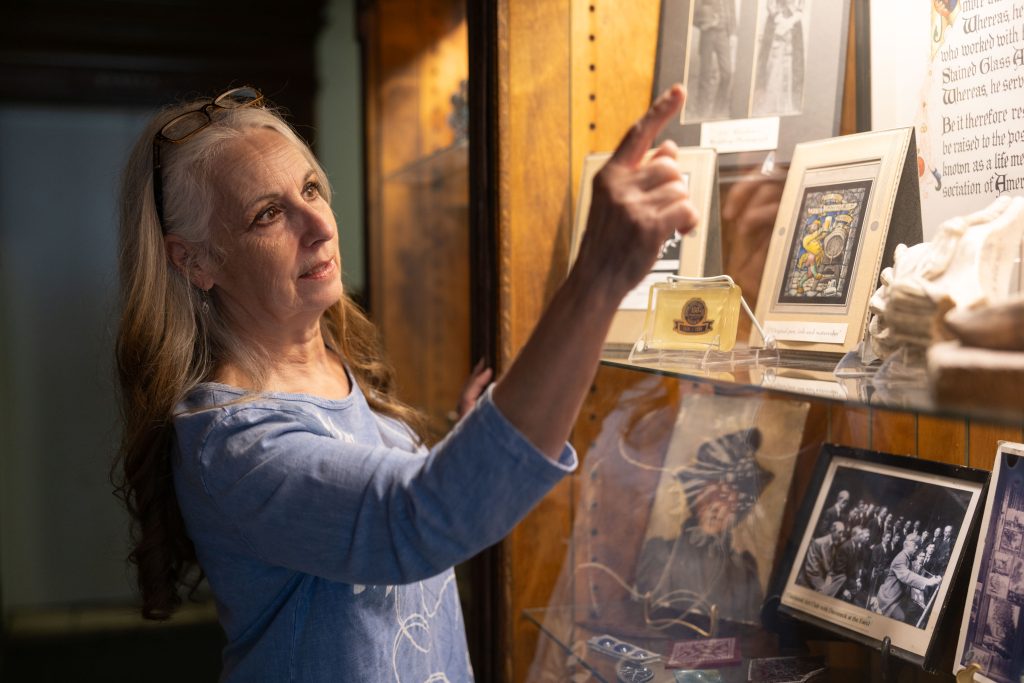
A brief lesson in stained-glass art history
As with many other artistic disciplines, Cincinnati was once a hub of stained-glass production. Gerald Collins Riordan, a native of Limerick County, Ireland, went to work in 1884 at William Coulter & Son, a prominent Cincinnati stained-glass shop that was founded by William Coulter (Ireland) and Joseph Finagin (Maryland) in the 1830s.
In 1892, Riordan purchased the business and rechristened it G.C. Riordan & Co. His brother, John, became a partner, overseeing the business end of the shop, and the group became active in the then-fledgling Stained Glass Association of America. Through his friendship with the legendary and locally based painter Frank Duveneck and a group of fellow artists, Riordan was one of the co-founders of the Cincinnati Art Club, which provided a prototype for Cincinnati’s civic arts organizations.
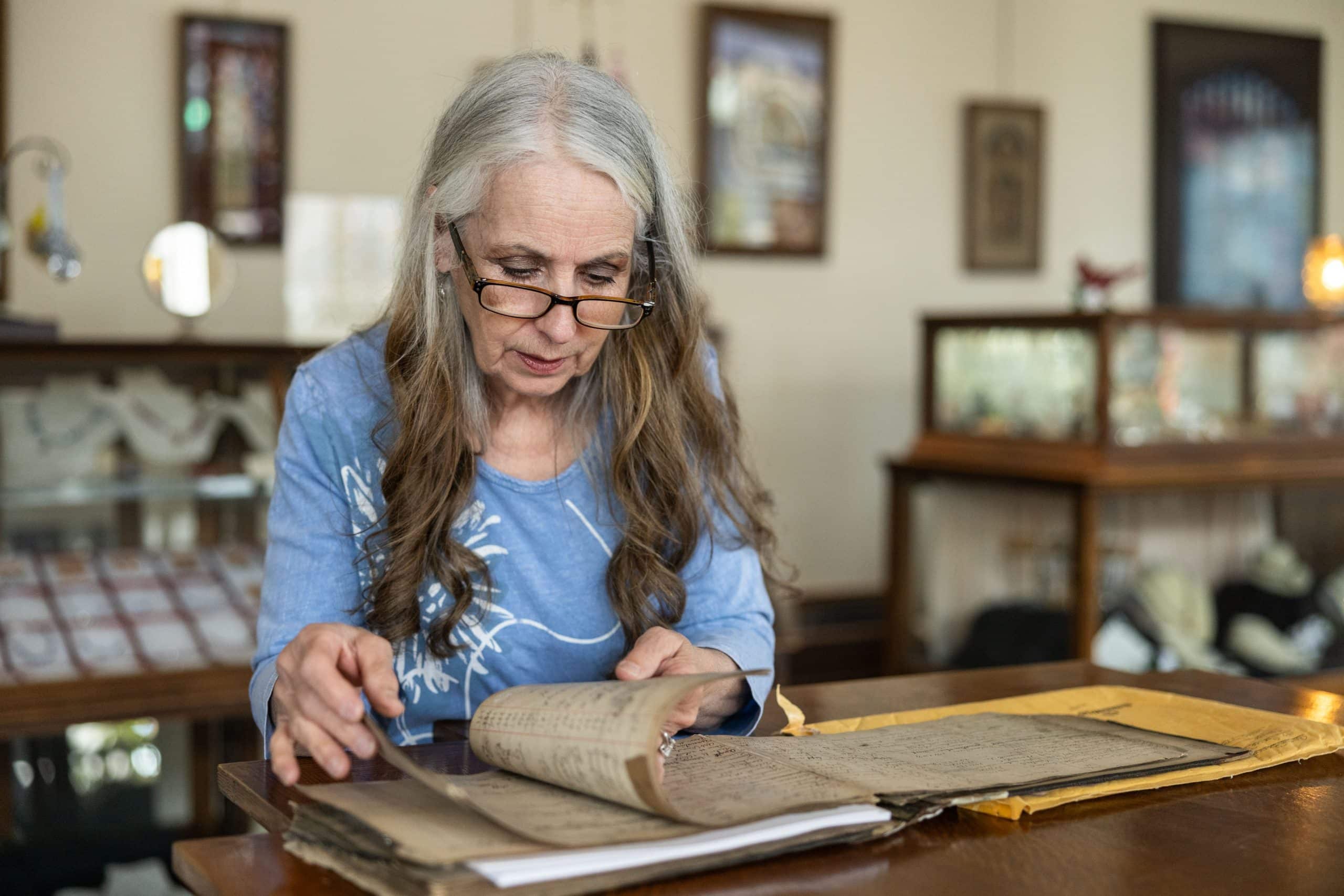
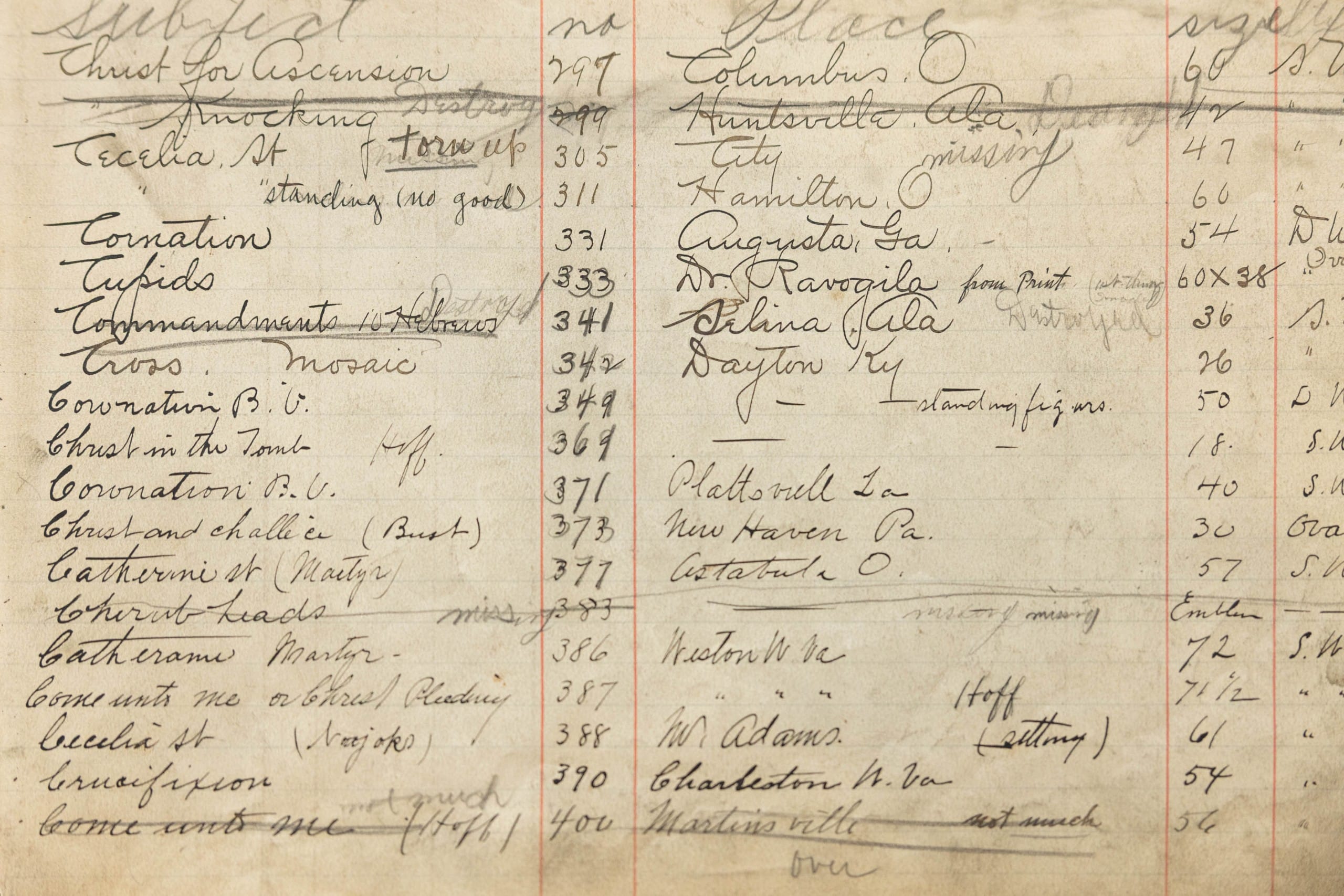
The Riordan shop’s high profile helped it earn coast-to-coast commissions, though fabricating glass for the region’s churches and mansions comprised the crux of its work. Rudolph Frey joined the shop in 1908 and continued perfecting his work as a stained-glass artist and cartoon painter (a cartoon is a painted mock-up of stained-glass work) until his retirement in 1959. The shop persevered for several more decades, although demand for stained glass and the availability of artists to create it concurrently dwindled.
Beginning in the late 1970s, artists Jay and Linda Moorman developed a passion for stained glass, and they eventually decided to open BeauVerre Studios (French for “beautiful glass”) in 1984, shortly after getting married. Jay grew up in Cincinnati, Linda was a Middletown native, and she persuaded him to migrate up I-75. The business was originally located in Kitty Hawk Plaza on Middletown’s Marie Drive.
They built their business through historic home and church restorations and some new installations, but they sought growth and eventually came to an arrangement to merge into BeauVerre Riordan Studios in 2003.
The chance to move to downtown Middletown presented itself in 2000, when the Central Ave. property was available. They bought the property for $1,000, which turned out to be the easy part. The structure, built in the 1880s, had been a popular saloon and boardinghouse until the infamous 1913 flood of the Great Miami River decimated the community. After the downtown district was rebuilt, the John Ross Company opened a store there, where it remained for 40 years. Afterward, G.C. Murphy, a Woolworth’s-style five and dime, which had existed next door since the 1920s, bought the space and connected the two structures into a single building. The store thrived for a time, but the downtown traffic declined and G.C. Murphy shuttered in 1979.
For the next two decades, the building had been left unoccupied, and the deterioration rendered a dilapidated space when the Moormans took ownership. But where others would see a challenge, they saw an opportunity. After three years of exhaustive renovation bringing the building back to its original glory, the rechristened BeauVerre Riordan Studios opened.
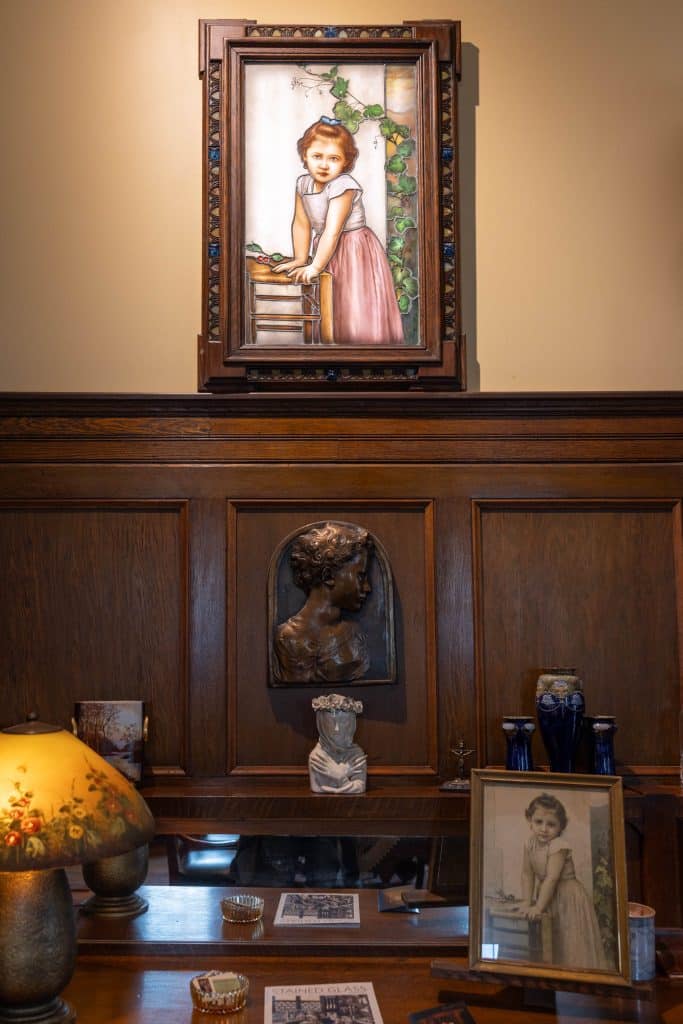
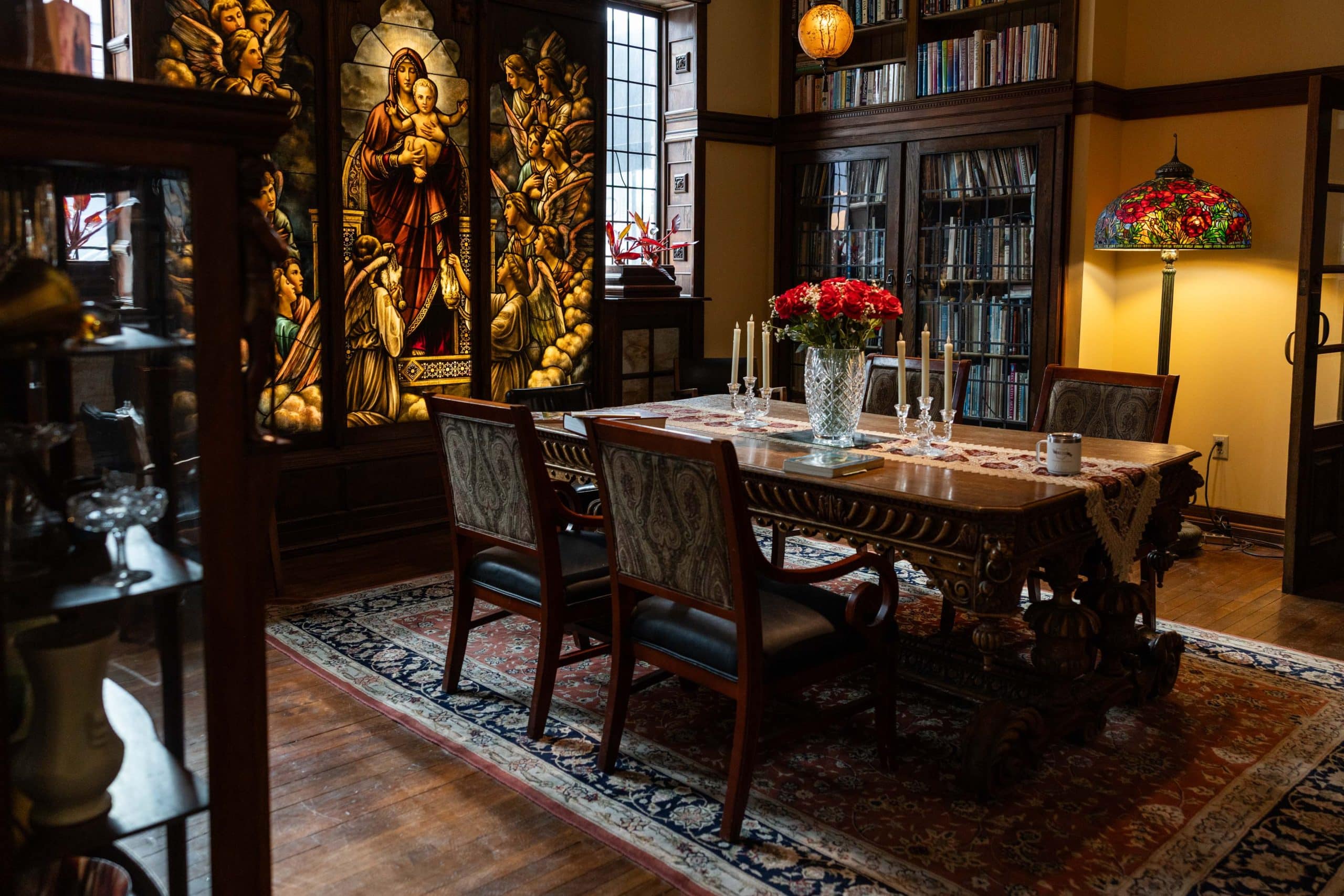
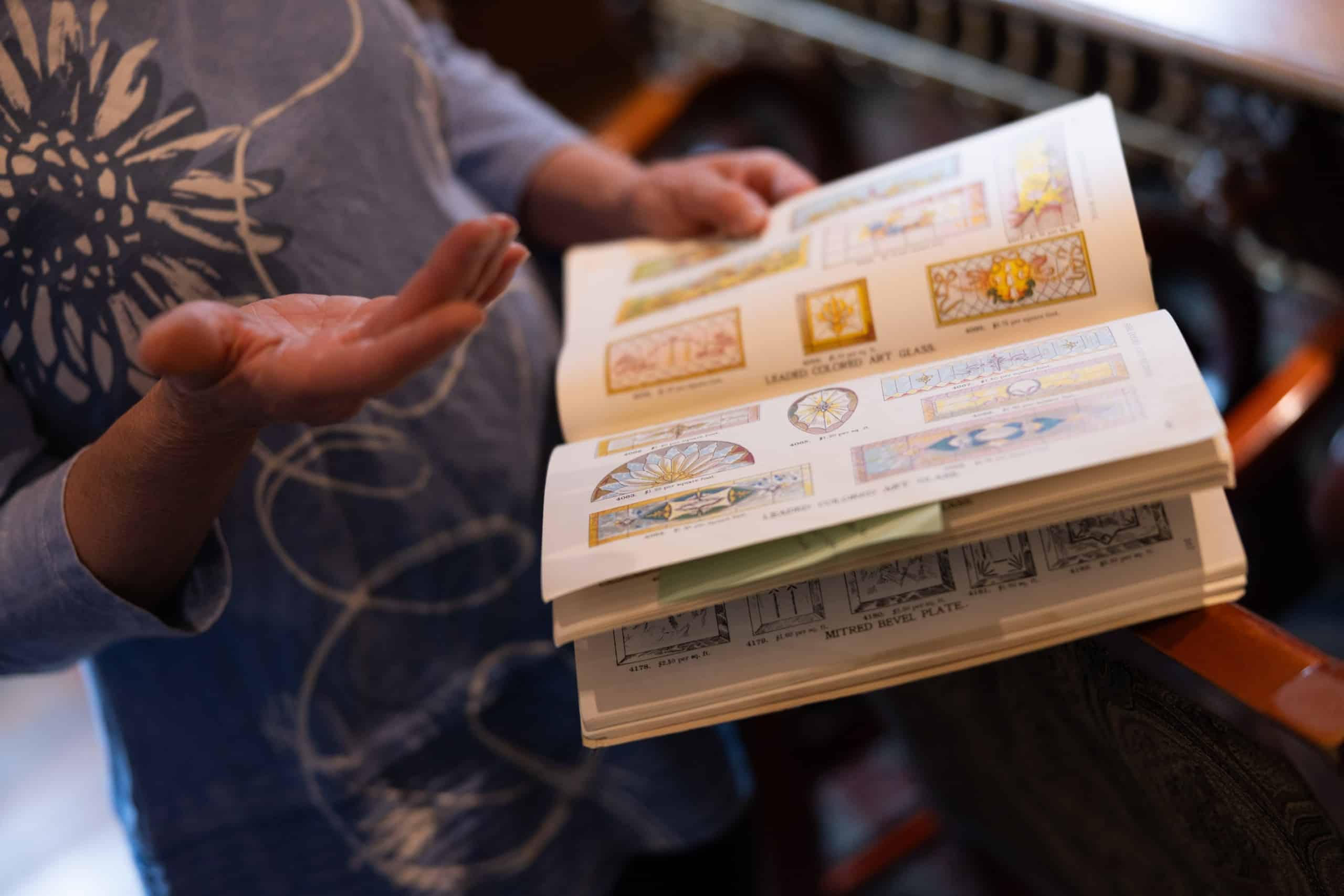
Their shop transcends what one would expect from an art studio and shop. BeauVerre Riordan’s space is resplendent with examples of beautiful stained-glass work, authentic woodworking, rustic display cases, and a stately dining room table. Understated, yet intentional lighting creates an atmosphere that seems to reanimate history. Manuals and books convey stained-glass techniques and a bookshelf laden with painted glass exudes exemplary craftsmanship.
The rear of the building that faces Broad Street had been leased as a restaurant but it closed in May 2025. The Moormans are actively marketing the space. Upstairs, a luxe party room is accentuated with art glass, with chandeliers designed to reflect the building’s expansive bay windows and beautiful woodworking and cabinetry.
A visit to the workshop and class space
The basement functions as both BeauVerre Riordan’s workshop and class space offering beginner and advanced-level classes. For $85 plus the cost of materials — a beginner’s toolkit currently runs $185; the deluxe version costs $296 — novices can learn the intricacies of making art glass over four, three-hour weekly classes. BeauVerre also offers workshops that teach the art of making kaleidoscopes and fusing jewelry.
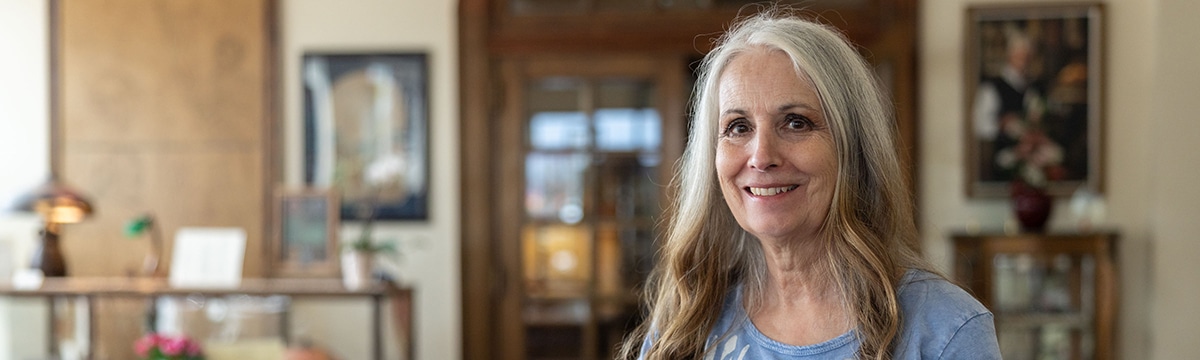
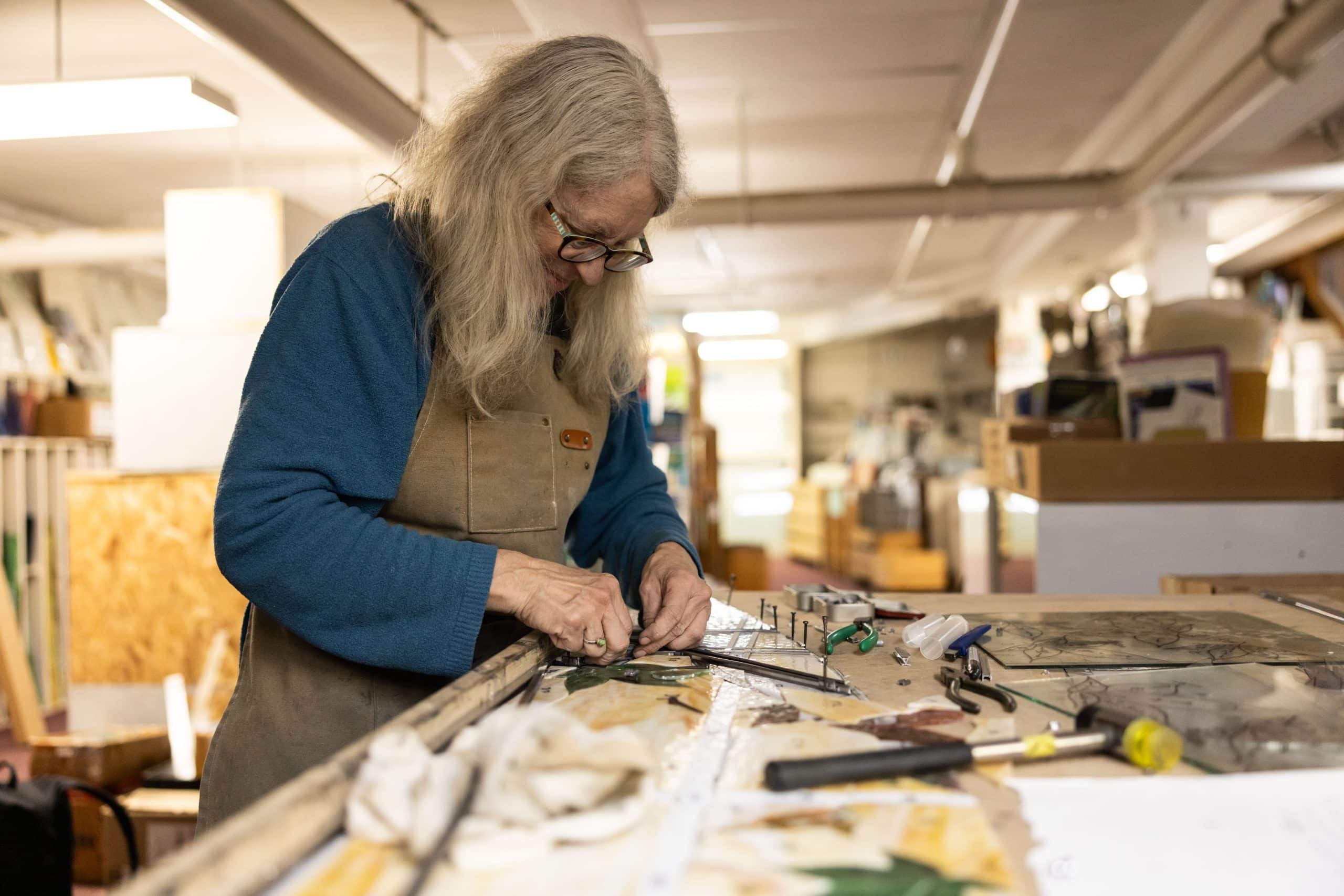
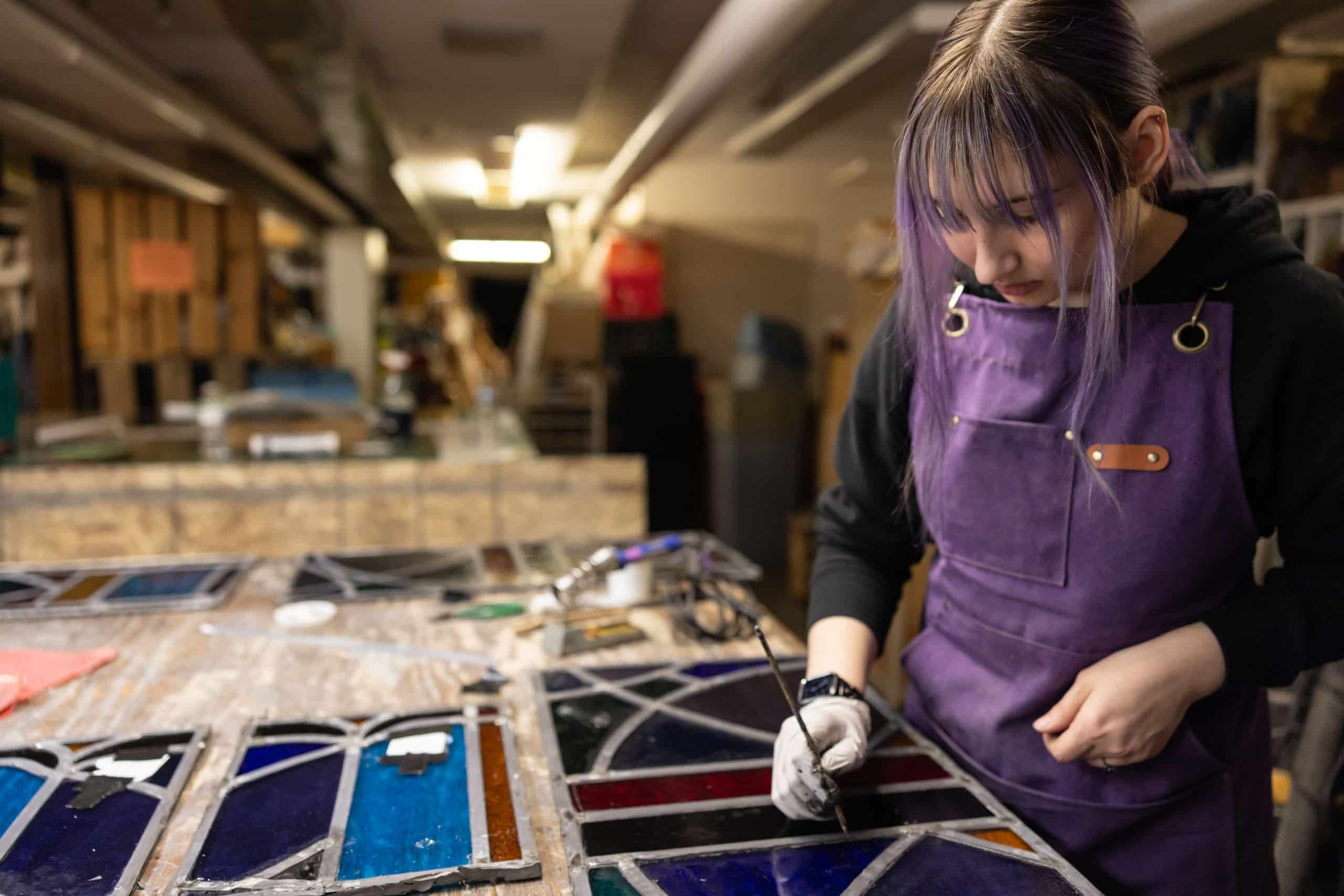
During a recent visit to BeauVerre Riordan Studios, two of its five-member artisan team were working studiously on restoration projects. Janet Heideman has been a noted stained- and fused-glass artist for decades, but her colleague, Emily Hauck, had only worked at BeauVerre Riordan for a week. Hauck had taken classes there and had developed such a passion for the work that she chose to pursue it as a career path. Linda Moorman said she’s hopeful that more artisans can step into the business.
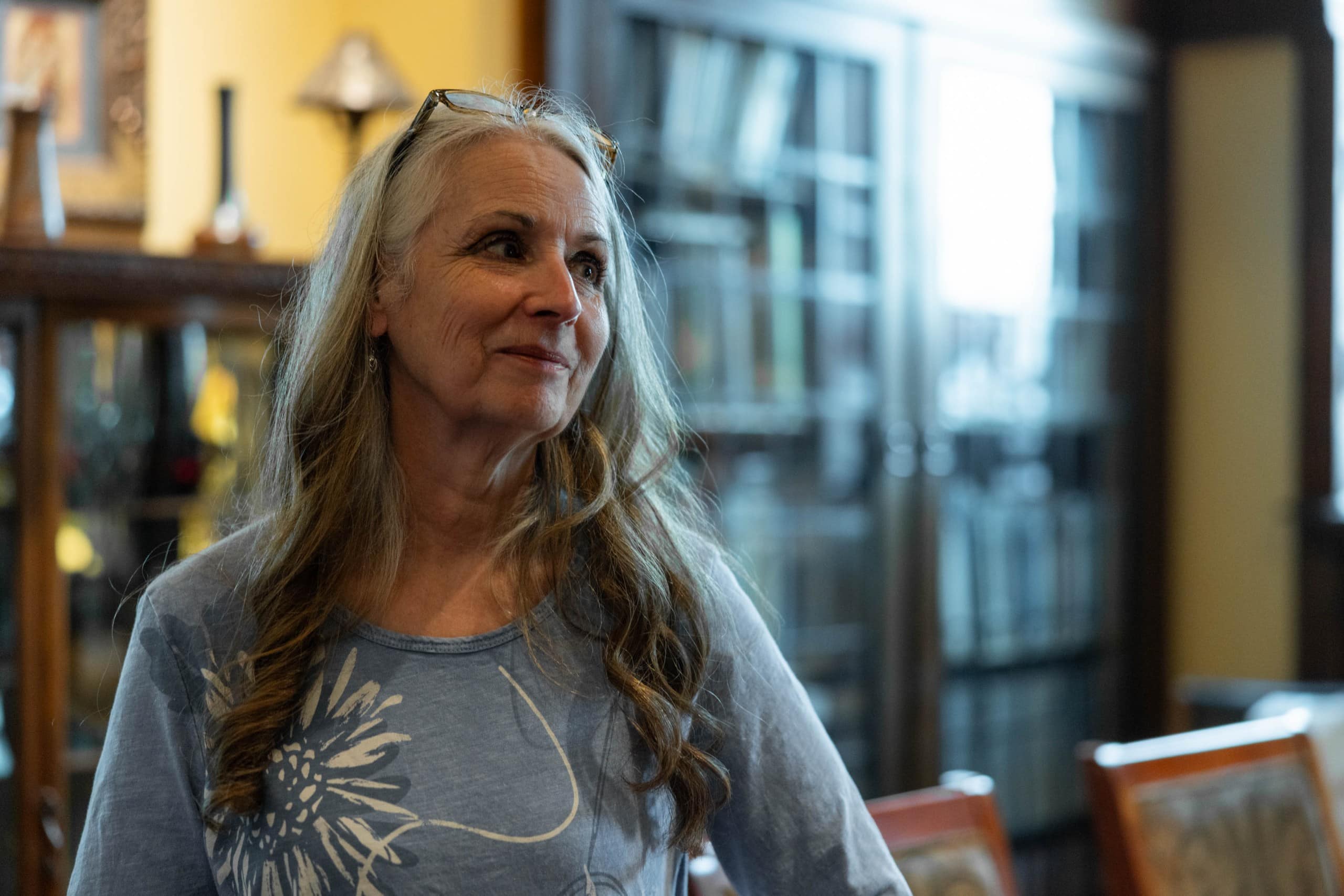
“Jay is 77, and I’m 70, and we are looking to retire at some point from the business.” Linda said. “It’s rewarding work, but it’s also challenging. The commodities needed to make art glass have become more expensive, the fuel needed for the process is more costly, supply chains can be tough to manage. Art glass requires both artistic talent and being willing to work, and we want BeauVerre Riordan’s legacy to continue.”
BeauVerre Riordan Studios is one of the 100 destinations to explore on the Ohio Creativity Trail featuring visual arts, music, literature, folk traditions, glass, pottery and carousel craftsmanship. The Ohio Creativity Trail is part of the “Trails & Tales” initiative, with multiple thematic trails leading up to the U.S. Semiquincentennial in summer 2026. Learn more about the Ohio Creativity Trail here.
This Partner City Middletown series is made possible with support provided by: Cincinnati Commercial Contracting, the City of Middletown, the Middletown Community Foundation, and the Chamber of Commerce serving Middletown, Monroe and Trenton. You can read other stories from the series here.
Author

Related Articles
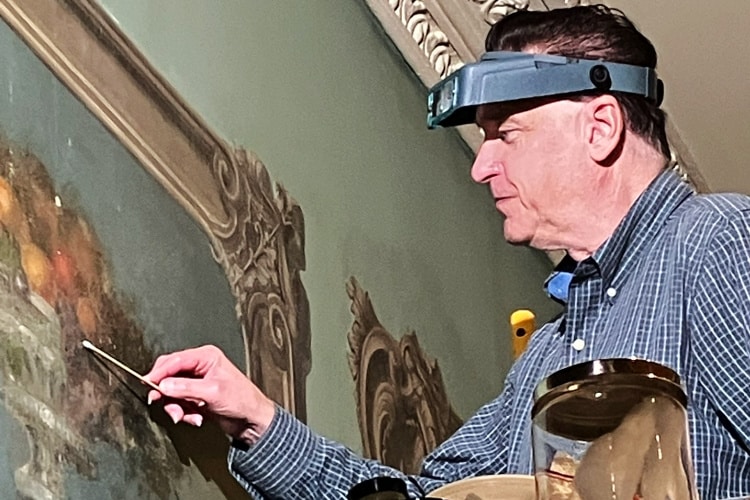
An artist’s creative process is revealed beneath layers of paint
The discovery is part of an ongoing conservation project examining Robert S. Duncanson’s monumental mural cycle inside the Taft Museum’s historic foyer.
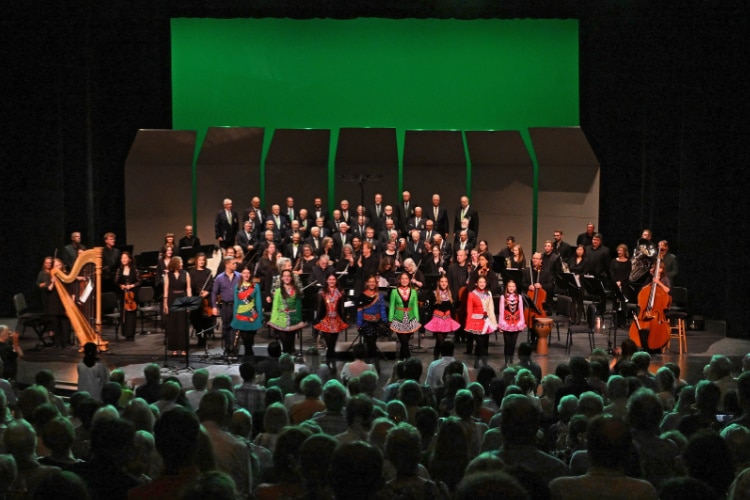
Summermusik Festival provides something unique for everyone’s musical tastes
Meet Victoria Okafor, whose Summermusik performances include Kurt Weill and Bertolt Brecht’s boundary-pushing ballet chanté, “The Seven Deadly Sins.”
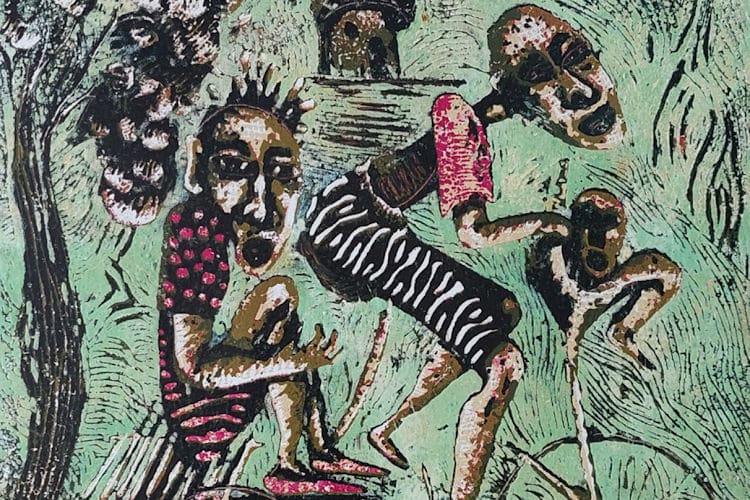
“Print Voices from Kenya: Social and Cultural Reflections” brings Kenyan art, film and culture to Cincinnati
SOS ART and Kennedy Heights Art Center partner on the fifth edition of a biennial series featuring an international art exhibition and Kenyan Movie Festival that encourage cross-cultural understanding and dialogue.