On The Ground: Walnut Hills leaders join forces for holistic community health
On the heels of a 2013 health report that underscored the importance of perceptions, Walnut Hills groups work to expand programs that go beyond the physical to support holistic community wellness.

While infrastructure is certainly important, building a vibrant, healthy community requires more than just streets, sidewalks and decent grocery stores.
In order to thrive, residents need opportunities for personal development, wellness and complete health. Oftentimes, however, low- or mixed-income communities struggle to provide access to even quality basic services.
In Walnut Hills, for example, dentists, eye doctors and other healthcare providers aren’t always within walking distance from home.
That’s why many Walnut Hills leaders are thinking outside the box to fill that void in their community with ongoing activities and wellness initiatives that boost residents’ collective physical health and strengthen the shared perception of quality of life.
Health and wellness survey reveals power of perception
To understand a community’s health, we look at raw medical data as well as general perceptions of personal health and wellness among residents. It is a common misconception that residents’ physical health is always commensurate with economic prosperity (i.e., low income equals poor health). In fact, evidence from a recent local study suggests that perceptions of wellness and support have just as much to do with collective health as access to health clinics and grocery stores.
In 2013, Interact for Health, a nonprofit group serving Ohio, Kentucky and Indiana, conducted a Community Health and Wellness Study to get a more nuanced picture of health by neighborhood. See the right sidebar.
Since the study was conducted, the Walnut Hills Redevelopment Foundation has relied on its data, allowing it to serve as a baseline of sorts, to drive health and wellness efforts in the community through a partnership with Interact for Health Thriving Communities.
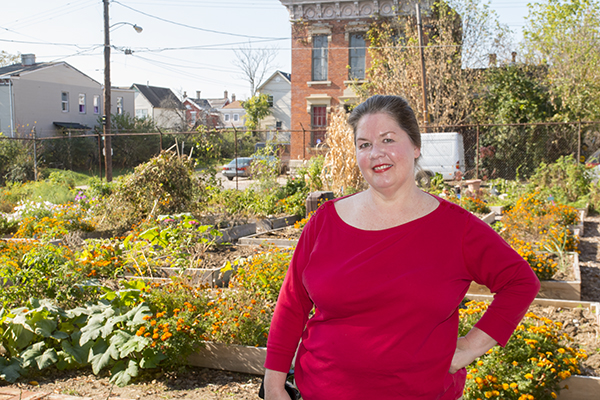
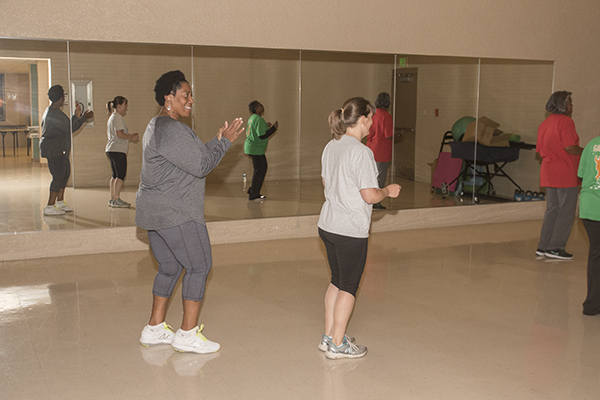
That partnership helped introduce the Findlay Market Farmstand program to Walnut Hills, along with holistic health programming that includes yoga classes, health screenings and group meditation. The foundation is also expanding urban gardening efforts in the community, bringing fresh, local food to the residents of Walnut Hills.
WHRF’s CFO, Betty Winters Waite, is also a Master Gardener trainee who believes that health and wellness, paired with economic and residential development initiatives, contribute to a comprehensive community-building strategy.
“The bricks and mortar — quality of housing and presence of litter and graffiti — have a huge impact on the general health of a community,” Waite said. “People tend to take better care of themselves when they are in a place that is well taken care of. People often say, ‘I’m in a good place,’ when referring to a comfortable state of mind. That ‘place’ usually reflects more than just a mental health state. The two are interrelated.”
Waite went on to explain that when people feel good and are moving around and getting good nutrition, they are more likely to be outside, walking around the neighborhood, visiting businesses, visiting friends and volunteering for the community.
Bush Recreation Center more than a workout facility
If, as Waite says, good individual health is good for community health, then it behooves leaders to provide access to healthcare and fitness, which is one endeavor of the Cincinnati Recreation Commission (CRC).
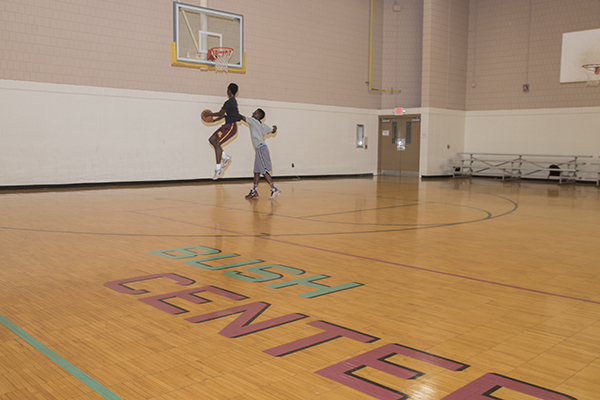
In Walnut Hills, the CRC maintains the Myron B. Bush Recreation Center, a hub of community life that offers diverse social and healthcare programs for seniors, sports and tutoring for youth, and public events for the broader community. Programs are designed in response to community needs and desires.
Vanessa Henderson has worked with the CRC for 29 years and came on board at Bush as Center Director 18 months ago. She believes in the power of community gathering places like Bush to strengthen communities and changes lives.
“I’m passionate about what I do because I see the change,” Henderson said. “We leave a thumbprint. We want our kids to be successful. We want our kids to come back and say, ‘This is what I’ve done.’ We want our kids to know that we care about them and their wellbeing. I tell our kids all the time, ‘I expect nothing short of greatness from you, and my expectations should never supersede yours. So, that means if I’m reaching high, you should reach higher.’”
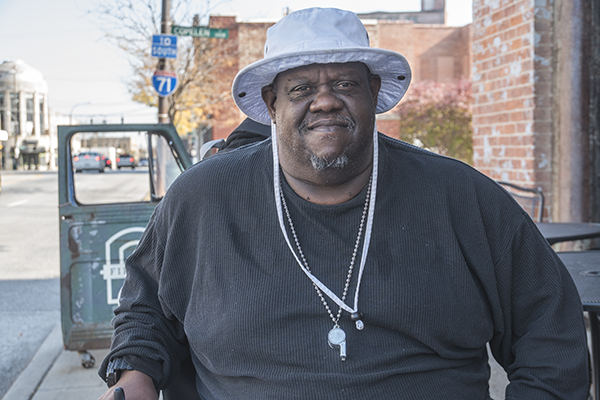
One of the Bush’s contracted service providers is also one of Walnut Hills’ oldest personal fitness schools. In its more than 50 years of existence, the family-owned Miller’s Karate Studios has instilled self-respect, physical fitness, and discipline in generations of youth and adults in Walnut Hills and beyond.
The karate school currently enrolls about 50 students. Grand Master Martess Miller describes the school as a prime example of the power of personal fitness to affect mental and emotional wellness.
“We focus heavy on the mental and physical development of our students, stressing the need for exercise and nutrition,” Miller said. “We have a big-brother-and-sister program set up, or class to help with any subjects students are having trouble with. And we make it mandatory to see their report cards before promoting to the next rank.”
Henderson said these are exactly the kinds of programs the residents of Walnut Hills need and desire. They provide an opportunity for more than just exercise; they transform people from the inside out, and they help keep youth active and out of trouble.
Baseball to make a comeback in Walnut Hills
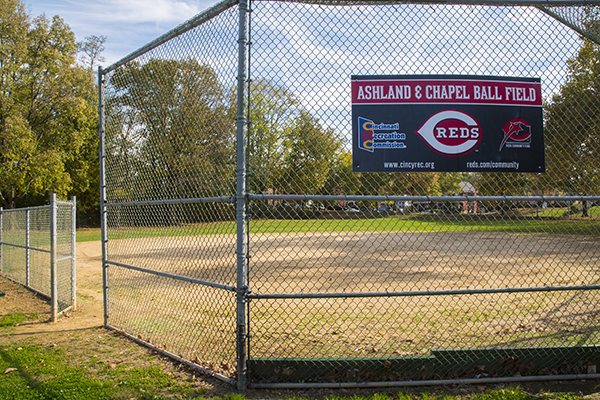
Once popular in African American communities, baseball was conspicuously absent in Walnut Hills for several decades. But early next year, that will change, as the Bush Recreation Center teams up with the WHRF to bring Little League teams back to the neighborhood.
The creative team at Cincy Stories helped launched this joint endeavor after researching the story of native Walnut Hills resident and former minor-leaguer George Smith. After sharing Smith’s memories of the heyday of neighborhood baseball and how the sport changed his life, the team decided that starting a neighborhood league was something Walnut Hills could get behind. (See Smith’s Street Stories video below).
Together, these groups are in the process of recruiting sponsors and coaches from local businesses and working with the Little League Urban Initiative to support an urban baseball resurgence in 2017.
When the team recently approached Henderson at Bush to help make it happen, she was more than willing. “I told them, ‘Just let me know what you need and I’ll get it done.’ That way, our kids know that we’re all-in.”
Henderson knows that reviving baseball in Walnut Hills is a big idea that will take big community support, but she’s committed to seeing it through.
“It’s great to have an idea, but it’s a travesty to let the idea just sit and keep pushing it back,” she said. “You’ve gotta throw it at the wall and see what sticks. And, if it sticks, that’s a wonderful thing.”
The addition of a community baseball league will give Walnut Hills families — as well as the local businesses that have stepped up as team sponsors — another opportunity to band together for a holistically healthy community. Like all truly healthy communities, it will bring people together for the benefit of everyone involved.
“It takes a whole community to raise our kids,” Henderson said. “That’s what we are all about.”
On The Ground takes an in-depth look at Walnut Hills, one of Cincinnati’s oldest and most culturally diverse communities. Over 12 weeks, our team will offer insight into the people, places and projects that have long defined the neighborhood, as well as its plans for moving toward a bright future.
On The Ground in Walnut Hills is underwritten by Place Matters partners LISC and United Way and the neighborhood nonprofit Walnut Hills Redevelopment Foundation who are collectively working together for community transformation. Additional support for data and analysis is provided by The Economics Center.
Related Articles
What does the new childhood vaccine schedule actually mean for your family?
Officials say not much will change. Experts aren’t so sure.

New platform to share ‘Common Ground’ from community ideas and solutions
Issue Media Group, a multilocal network of solutions-based, issues-focused digital publications, has launched a new national platform for increasing the reach and impact of its journalism.
Cincinnati’s school dental clinics bring relief to thousands
Serving 24,000 patients annually, the Cincinnati Health Department dental program brings year-round care to students and community patients through an innovative public-private partnership.