
A case for the Fine Arts Fund
Hold

 It was a little more than five years ago that, fresh into my 30s, I felt the call for a life change and began the arrangements to move to from my hometown of Cleveland to New York City. It was around that time that I received a call from an old friend, who was then working at Cincinnati Ballet. He had recently lost his marketing director and asked if I might be interested in the job. At that time, the only tangible facts I could recall about Cincinnati were: 1) the city had sufficient time and concerned citizens to bring obscenity charges against one of its museums for a Mapplethorpe exhibit in the ’90s and 2) insufficient time or concerned citizens to address the root causes of a nationally televised race riot in one of its central neighborhoods a few years later.
Suffice it to say I was looking for a polite way to tell my friend, “You’re crazy.” Reluctantly, I caved to his persistent invitation to “at least check it out for yourself,” and we set up a weekend in late spring for me to make the visit. I was ready to be underwhelmed.
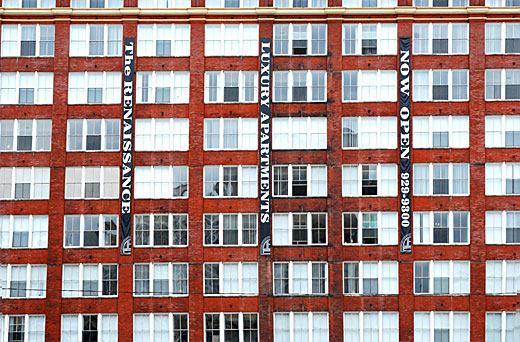
My friend lived in an apartment on the top floor of the Renaissance Building overlooking the Cincinnati skyline, the river, and yet another skyline beyond that. “Is that Kentucky?” I asked, not realizing Covington would be visible from the middle of the city. While walking through downtown to catch a Reds game, we passed the recently built Aronoff Center. I was surprised to see public works of art along the way. “That’s the result of a local organization called ArtWorks,” he said, pointing to numerous sculptures created from baseball bats.
 The next night, we caught the Ballet’s production of Carmina Burana at Music Hall. I was stunned speechless as the car turned the corner onto Elm Street and I got my first look at the fortress of red brick and the sprawling city block of green space laid out in front of it. What was this perplexing city that dedicated this kind of real estate to an arts organization? The performance was beautiful, and the company was strong. At intermission, while perusing the program, I asked a question that would forever alter my perception of Cincinnati as well as my impending relocation plans. “What’s the Fine Arts Fund?”
Fast forward a few years and a couple of career transitions later, and I’m sitting in front of Scott Provancher, the Fine Arts Fund’s vice president and campaign director. It’s the eve of the launch of the organization’s 2009 community-wide giving campaign, and I’m here to ask the same question – “What’s the Fine Arts Fund?” This time, instead of convincing me to move to Cincinnati, Provancher’s answers are convincing me to stay.
So, what’s so great about the Fine Arts Fund?
 First off, it is the oldest and largest United Arts Fund in the country (eat that, Seattle), raising millions of dollars from foundations, corporations and individual supporters, including workplace giving campaigns in which employees can choose to have donations taken directly out of their paychecks. In 2008, the fund awarded more than $11.3 million in support for more than 95 arts organizations ranging in size from the heavy – hitting big boys such as the Cincinnati Art Museum and the Cincinnati Symphony Orchestra, all the way down to local community arts centers.
Earlier in the week, I had spoken to an employee of a large, local soap company, who asked me why he should be interested in supporting what he called “welfare for the elite.” What if I don’t give a rat’s aria about what happens at Cincinnati Opera? And at a time when things seem economically dire, both professionally and personally, why should I give?
I conveyed these sentiments to Provancher, who nodded in a way that told me he had heard this before.
“I’m trying not to take the economy personally,” says Provancher with a smile.
He responds with a story of his own involving a cable installer who, after finding out what Provancher did for a living, told him, “I don’t go in for too much art in my life.”
“I started asking more questions,” says Provancher, “and discovered this guy goes with his wife to the Broadway Series and custom paints motorcycles and turned out, in actuality, to be a poster-boy for what we’re all about. Here’s a retired engineer who wants to stay busy and is more engaged in the arts than he knows.”
 This unrealized connection to the arts in our lives is more common than we may think, in part due to the success of the Fine Arts Fund. The arts impact and intersect with our lives on a regular basis, whether in the guise of family engagement and education programs, artists in schools, public murals, live music venues, special nights entertaining visiting relatives or celebrating key milestones. Many times these may go unnoticed, since what some call art, others may see as a hobby or entertainment. Regardless, the arts – all of them – create a vibrant, diverse and ultimately interesting place to live, work and play.
Says Provancher, “We’re working on doing a better job of communicating [to potential supporters] the fact that there are hundreds of organizations that are touching their lives that we help support.”
Part of that includes a shift in how the Fund operates. While still providing hefty support to the city’s larger arts institutions, the Fine Arts Fund is undergoing systemic changes to support a broader range of arts organizations that draw in the creative, energetic, community-minded arts lovers that corporations are trying to attract.
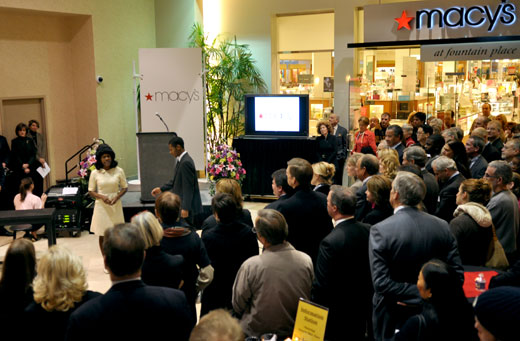 “Organizations like New Stage Collective and Know Theatre, as well as some organizations that have just appeared – they get started because they’re a reaction to what people are looking for in the community,” he says. “The Fine Arts Fund is doing our best to be proactive in encouraging programming that is diverse, regional and reactive to break down initial barriers to the arts.”
This year, Provancher and his team, led by Karen Hoguet, 2009 FAF Campaign Chair and executive vice president & CFO of Macy’s, Inc., have their work cut out for them; earlier this month, they announced a fundraising goal of $12 million.
“Sustaining support is an ambitious task this year, but we like challenges,” says Provancher, “and we know the value of what we’re asking the community to invest in.”
Photography by Scott Beseler
The Renaissance
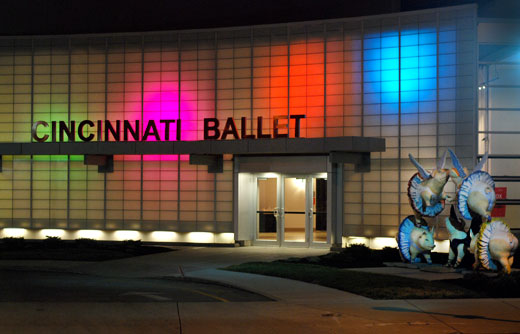
The Cincinnati Ballet
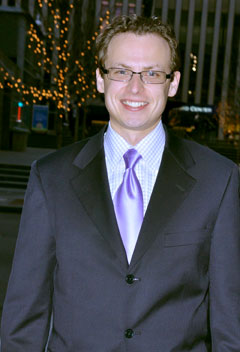
Scott Provencher
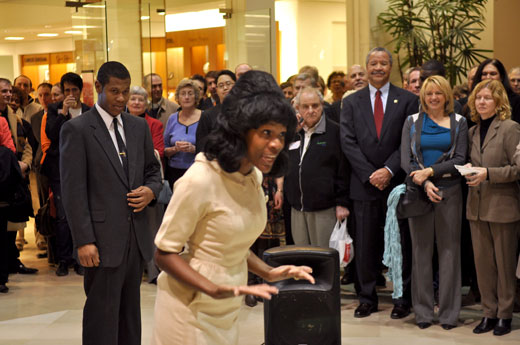
Coretta Scott King and Martin Luther King Jr. inspired short performed at the Fine Arts Fund kick off
Crowd gathers to watch the performance
Related Articles

What does the new childhood vaccine schedule actually mean for your family?
Officials say not much will change. Experts aren’t so sure.

New platform to share ‘Common Ground’ from community ideas and solutions
Issue Media Group, a multilocal network of solutions-based, issues-focused digital publications, has launched a new national platform for increasing the reach and impact of its journalism.
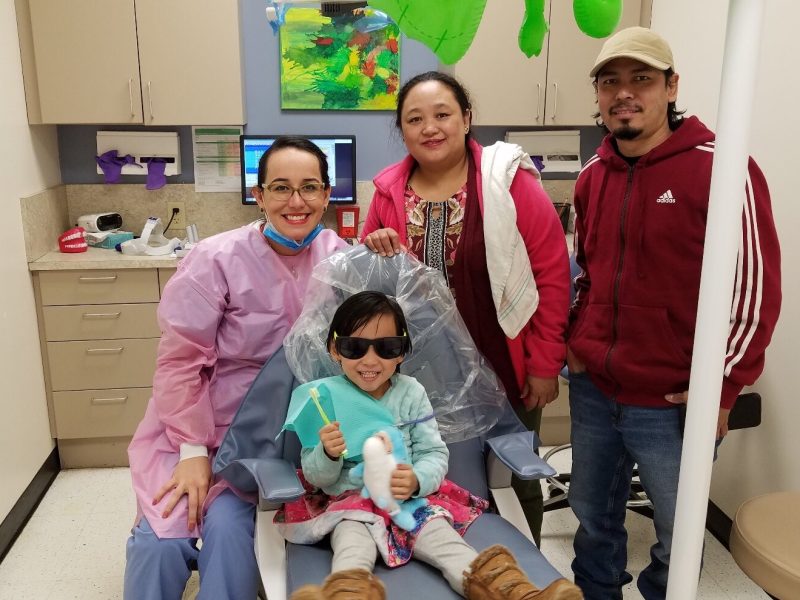
Cincinnati’s school dental clinics bring relief to thousands
Serving 24,000 patients annually, the Cincinnati Health Department dental program brings year-round care to students and community patients through an innovative public-private partnership.