
The school that Jack and Jay built: A vision becomes reality in Project One campus
A sense of place fosters community and security from early childhood through young adulthood.
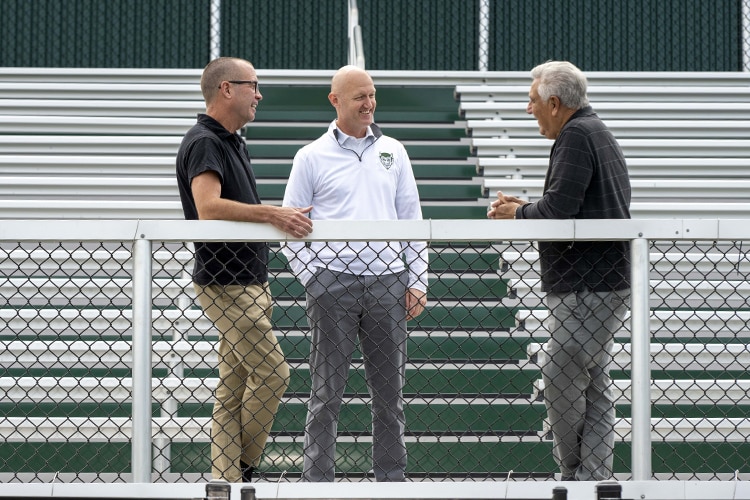
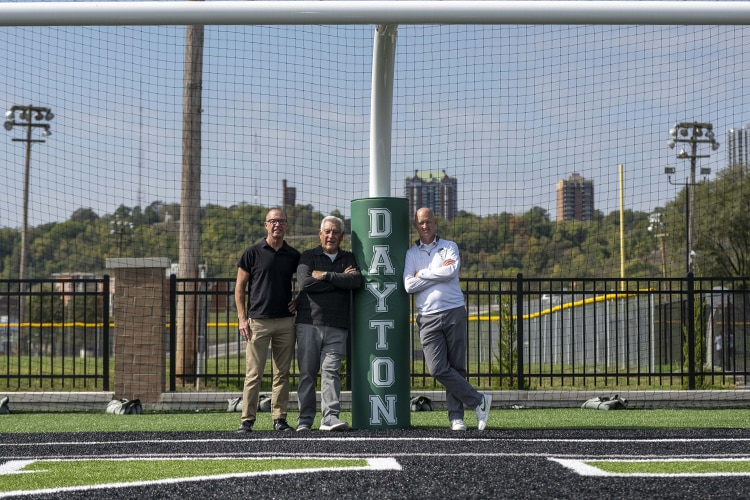
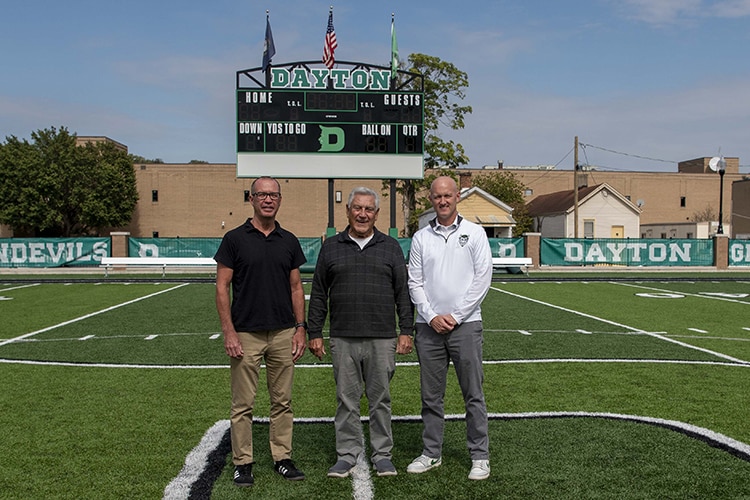
Dayton (Ky) Independent School District has realized a vision that began with one man’s dream to create a place for pre-kindergarten through twelfth grade growing together between buildings. Continuity and stability are key to a student’s success. Teachers and staff focus on literacy, math skills and creating a culture of encouraging strong social skills when everyone is in the same place. Community, like meeting your neighbors every day, grows a deeper connection through trust and mutual respect. A sense of place fosters security from early childhood through young adulthood.
A Vision is Born
Jack Moreland accepted the position of superintendent of Dayton Independent School District in 1978. At the time, the city was undergoing a major change in population density and housing elimination due to an urban development plan to build the existing flood levy. Houses and people were being cleared out of areas close to the river to make way for the protective embankment.
In the interview for the position, Moreland says that there was no talk of academic standards because the high stakes testing of today did not exist. The board of education wanted high standards met but there was no measure beyond the district for those standards. However, what they looked for in a superintendent was to hire someone that was relatively certain that he/she could build a new high school building.
Moreland got to work almost immediately attempting to find funding to replace the original high school, built in 1924. While the old building was solid, archaic labs, inadequate equipment for home economics and industrial arts education could be retrofitted but costly. The gym, as in any school, is a focal point, a gathering place for students, teachers, and families. It met the standards for a school built for another time, yet in the seventies, it was a shabby reflection of what the high school sports arena could be. Davis Field had been built in 1940 and served its purpose, but it, too, had become antiquated with crumbling concrete stands and a grass field that needed constant attention. The high school and football field had become less a place of pride, and more a place that reflected working-class people struggling to get by.
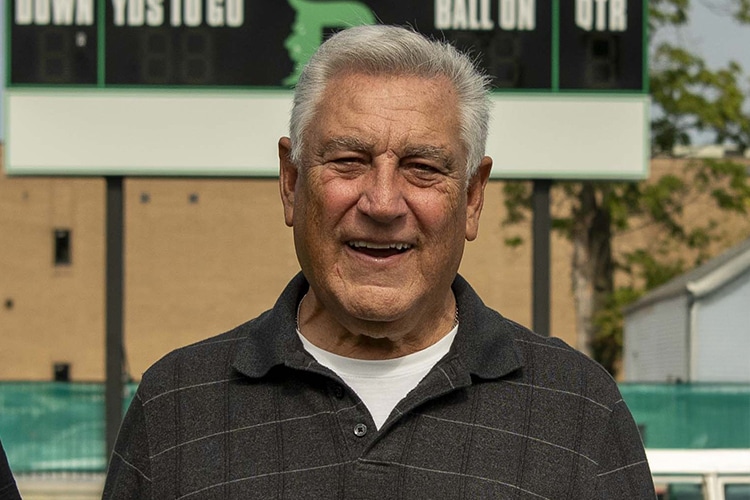
When asked what the academic performance was like in the city, Moreland responded, “The standard that you set was within the school district. As a rule, to accomplish this much as opposed to — how am I going to do in terms of my standing against school A or school B over here — you kind of had to be self-motivated to create your own standards.”
The Kentucky School Building Authority was created by the General Assembly that same year. In essence, out of 178 districts three were chosen based on need. Moreland recalls: “We had to find a way to access that money. The bondholders must know that you have reasonable probability to pay the money back or you can’t sell the bonds. So, we could only bond at that time about 1.23 or 1.3 million, and it was going to cost almost 4 million to build this building. Of that round, we put in 1.3 million and the state put in the rest of it. We built a 79,000 square foot building and it was bare bones.” Once completed, the dishwasher and walk-in freezers from the old high school were brought down. The walk-ins were still there in 2012 when Jay Brewer was hired.
The Building Authority was dissolved shortly after that, and a new Kentucky Facilities Construction Commission was created in 1985 as a replacement. Its purpose is to distribute funding for the construction and renovation of school facilities equitably among districts according to their unmet facility needs. A district must bank these funds until which time they have the financial backing to build. Moreland says if he had to do that project now, it probably wouldn’t happen.
With funding in place, the site was identified for the building at the base of the flood levy, just a block from Lincoln Elementary School which had been built in the fifties. The state required a certain acreage to build, 17 acres for the 700 students in the district. As a testament to the supportive relationship with the city, a deal was struck to access land slated for a park just west of the building site to serve as part of seventeen acres necessary to complete the school. Students, teachers, and staff moved into a completed building in 1984, and administrative staff followed to a building adjacent to the high school. The vision was coming together.
Macaroni on Basketballs
A city block of housing in deep decline and a vacant manufacturing building stood in the way of the vision of Project One to connect Lincoln Elementary School with the rest of the campus. But first, the immediate needs of the students had to be met. While Davis Field continued to deteriorate, Lincoln Elementary had a multi-purpose room that served as cafeteria, auditorium and gymnasium. Moreland referenced the fact that at basketball games, there might be food debris such as macaroni on the balls. The elementary school needed separate facilities for food service and sports. With a growing population and a school built in 1953, new classrooms were needed beyond the it-will-do football field. During Moreland’s tenure, he accomplished both goals with the backing of a strong board of education and a supportive city.
Jack’s commitment to the students, teachers and staff of Dayton Independent School District was never far from his mind. His goal of building the high school, making room for students at the elementary school, was complete. It was time to move on. He served an eight-year tenure as president of Northern Kentucky University and as superintendent of Covington Independent Public Schools.
What transpired with the next superintendent, Moreland refers to as “The Dark Ages.” For the next fourteen years, the district would suffer under that leadership of Gary Rye, whose service was to himself not the children. Rye would not only plunge the academic record of the district but would be convicted of embezzlement of school funds in 2014. He has served time in federal prison for the crime.
In 2012, the school district was ranked in the bottom five percent of districts academically, which meant that the state sent a recovery team in to assess and mandate the steps necessary to climb out of such a place. As Moreland put it, “The children of Dayton didn’t deserve it.”
Emerging from the Dark Ages
Jay Brewer remembers sitting at his desk at Ruth Moyer Elementary, where he was principal in Fort Thomas, when the call came. He says, “I haven’t even signed my contract, and Jack Moreland is welcoming me to Dayton.” Jack took him to lunch, helped him to understand the shape of the district, and established a firm foundation with Brewer even though he had been gone from the district for fourteen years. Brewer would rely on that wisdom in the years to come.
On July 1, 2012, Brewer took the lead and learned just how bad the situation had become. Under state assistance for academics, a team would be advising Brewer and school leaders because of academic deficits. But there was also a financial deficit. The district was required to have a two percent contingency and that’s where they were, they had no money to invest in anything.
Trust, compassion, stability and hope, these are tenants of leadership that Jay and school leaders adopted to begin chipping away at the academic deficit. Scores climbed and the path forward became clear once they could dig out from the blatant mistakes of the last administration. Light began to shine on Dayton. Current superintendent, Rick Wolf, went from high school principal to director of learning, allowing Brewer to regain focus on facilities.
Get better than the day before
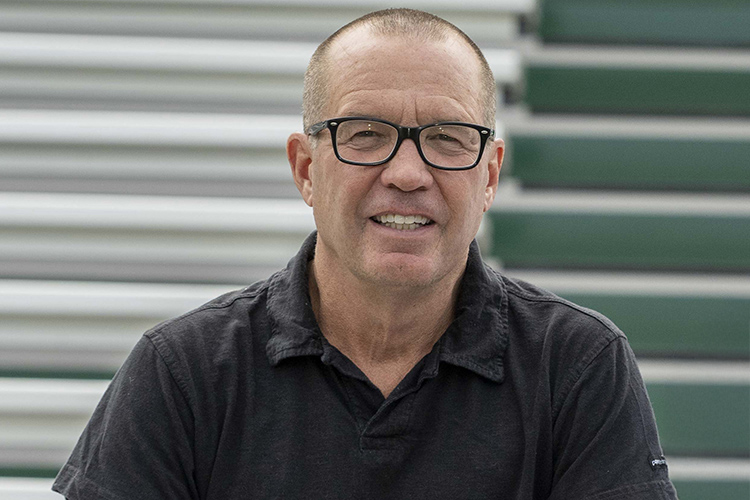
Brewer is no stranger to going the distance. He runs 50- and 100-mile marathons. “If you’re gritty enough and persistent enough. You’ll get to that finish line, but you are going to have to struggle your way through it.”
From 2012 to 2016, the district realized unprecedented academic gains. From kindergarteners’ readiness for school to eleventh graders’ readiness for college and careers beyond high school, the district realized phenomenal success. The ranking was 171 out of 178 districts in 2012 only to climb to a ranking of 70 in 2016. The district was getting noticed in the region and around the state as a ‘can-do’ sort of district.
Academic foundations created success, and in 2016, Brewer hired Ron Kinmon as his right hand on facilities. The tax base was becoming favorable, and he could devise the plan to acquire key property between the high school, administration building and the elementary school. One by one, he went from purchasing a lot with a trailer on cinder block to the final jewel of the API building, a commercial printing company that had been vacant and far too expensive to acquire over the years.
But will it fit?
With academic breathing space and seniors now completing a thousand hours of dual college credits, as opposed to only six when Brewer took over, the dream of Project One was within reach. Jay remembers he and Ron using Google maps and over-laying existing sports complexes into the space now vacated and part of the district properties wondering if it all would fit in the space.
Jack Moreland, now with Southbank Partners, an economic development driver in Campbell County, brought Dennis Keene of Governor Beshear’s office to the campus. Moreland leant an architect to the district to solidify the plan. Yes, a stadium and sports recreation center would fit.
The next task: to fund this project. In 2012 the property tax rate was among the highest in the state. Property values started to accelerate as is often the case when a school district shows such growth. The tax rate was 118 in Brewer’s final year. Taxation is tied to school districts when funds are needed for improvements. Districts with high tax rates often are passed over for matching funds from the state. When property values increase and tax rates decline opportunity for funding occurs. Referring to the tax rate issue, Brewer says, “We’re at 84% now. So, we were able to not only lower the tax rate but then make that commitment of local funds to building projects.”
Brewer says, “it’s like putting someone in a new suit. They stand a little straighter.”
A philosophy of growing whole and healthy children by connecting them to each other and the community had been the plan. When Jay Brewer came on the scene, the district began to embody that same sentiment. Today the school system is recognized as a district of distinction and is ranked seventieth in the state.
“This city has embraced me in a major way. I spent thirty years in education, and I wouldn’t change a thing. I’m satisfied with what I did.” Moreland says.
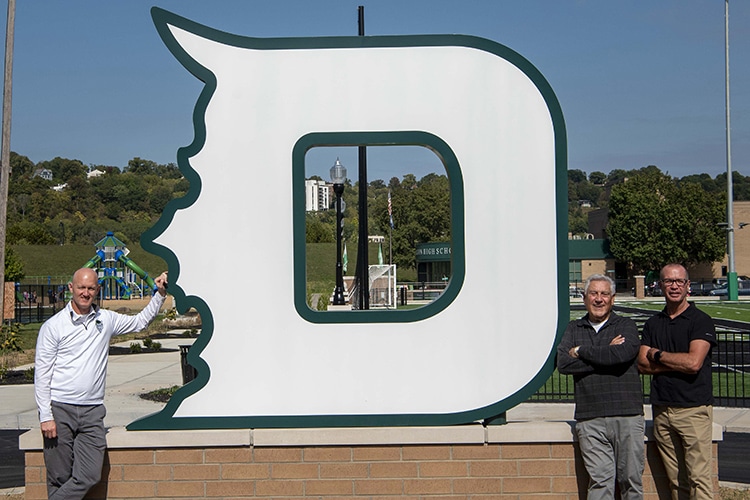
Brewer looks back on his tenure and says, “It takes all of us, and that’s what it does. Any text, any phone call, any of the mayors that I worked under supported the schools. They just believe in our kids. Our kids need that energy and support.” With active staff and teachers, a healthy volunteer corps, a wise board of education, and a vision, the district has accomplished a remarkable feat.
Brewer tells the story of sitting in Highlands High School gym next to one of Dayton’s seniors in his early career at Dayton. She turned to him and said, “Why can’t we have nice things?” It became the rallying call for what now is a place of great pride for the people of Dayton, Kentucky.
Through the commitment of two wise men and the placement of a third, Rick Wolf, to lead the district in it’s next generation of success. The foundation is laid for healthy kids to become healthy, thriving adults.
Author

Related Articles
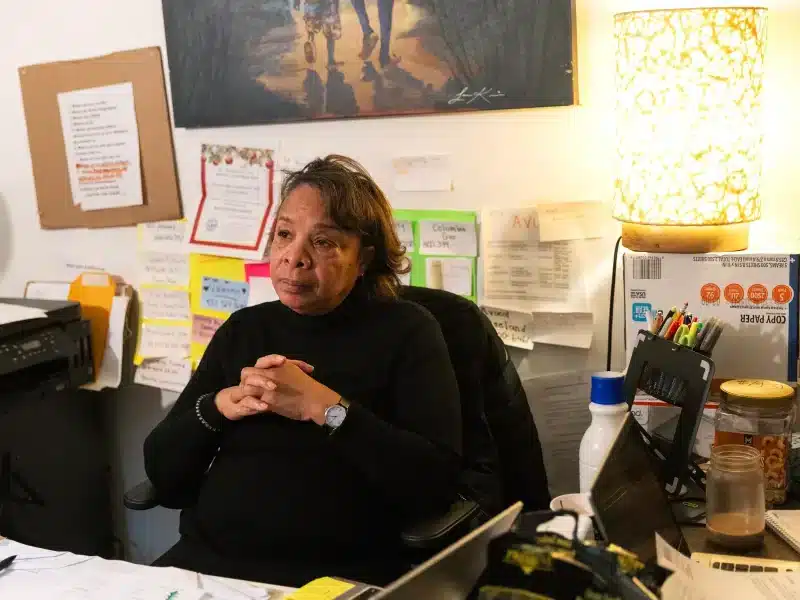
She helped Haitians settle into Springfield. Now she wonders if it’s safer for them to leave.
Inside a Haitian grocery store, Margery Koveleski — a “manman” to many — and her daughter Laura help their clients navigate uncertain futures as an immigration crackdown dismantles legal pathways to stay in the country.
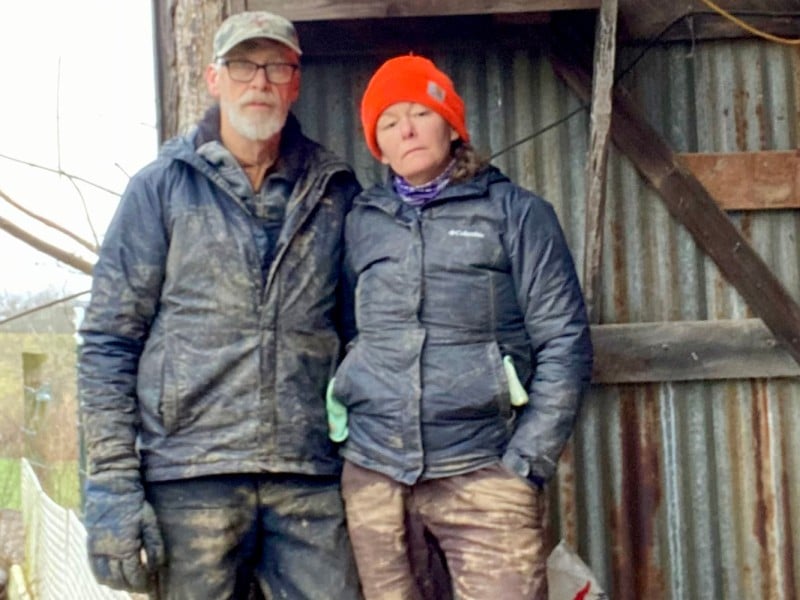
Growing pains: How small farms persist despite big obstacles
When more than half of the small farms in the country are losing money, why would any sound-minded person choose the agricultural path?
This inclusive Cincinnati neighborhood thrives on people power
Grassroots organizations like NEST provide neighbors with the civic muscle and voice to create the kind of places they want to live in.