
More than $1 million granted to first suburbs to spark economic impact
The money is meant to kick start improvements in business districts and help achieve long-term plans.
Mt. Healthy is commonly known among Cincinnati natives for serving as a sanctuary from the cholera epidemic. Cincinnati was hit hard in 1849. Away from the river and the congestion surrounding it, there was room to breathe in Mt. Healthy. Citizens fled north and took refuge in this place, which, at that time, was known as Mt. Pleasant. Mt. Pleasant saw fit to change its designation due to confusion resulting from another nearby locale that was also called Mt. Pleasant. A well-known stop on the Underground Railroad, residents continue to embrace diversity and freedom to this day.
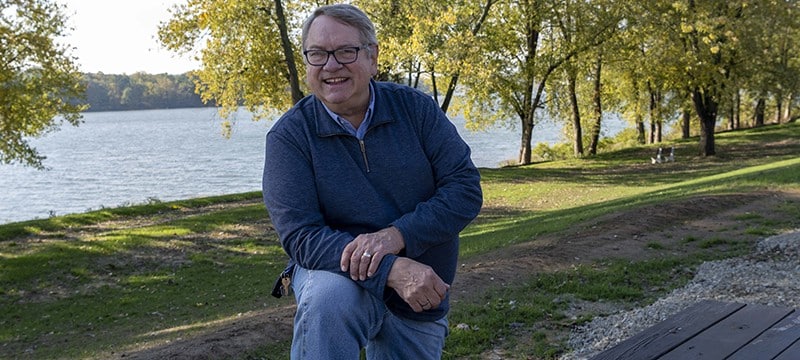
The money is meant to kick start improvements in business districts and help achieve long-term plans.

After years of planning, the village leveled acres of tired retail space in the heart of the community, making way for a fresh start.
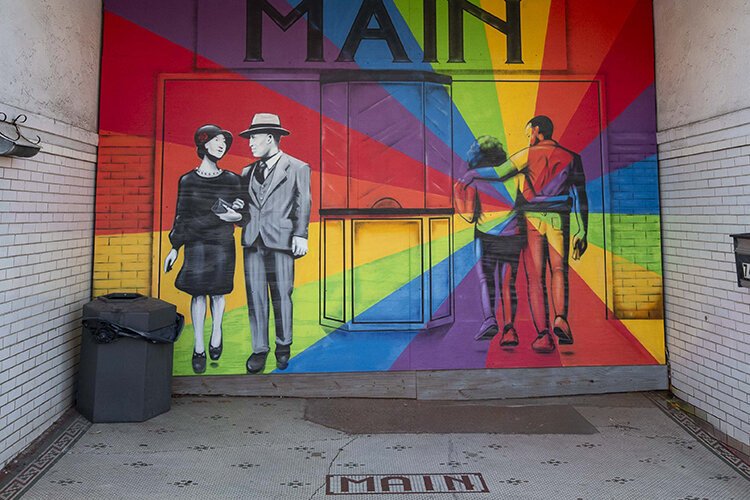
A community development corporation is a center of gravity for gathering ideas, organizing residents, and coming up with new solutions for an aging neighborhood.
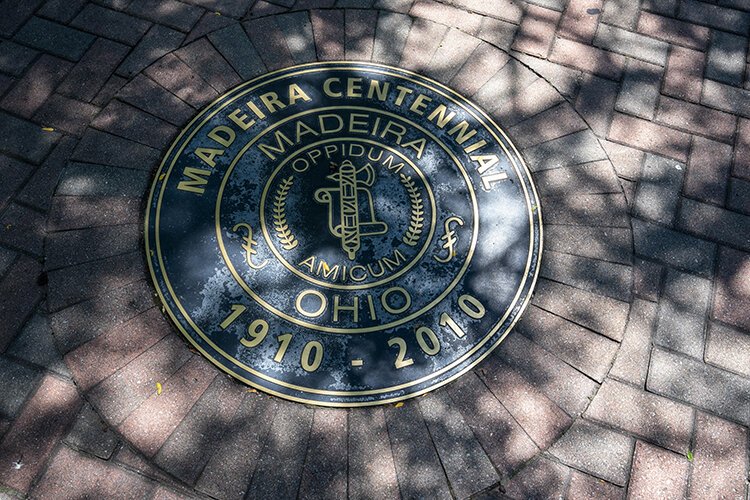
Tens of millions have been awarded to projects outside the city of Cincinnati, making the tax a significant source of funding for small towns.
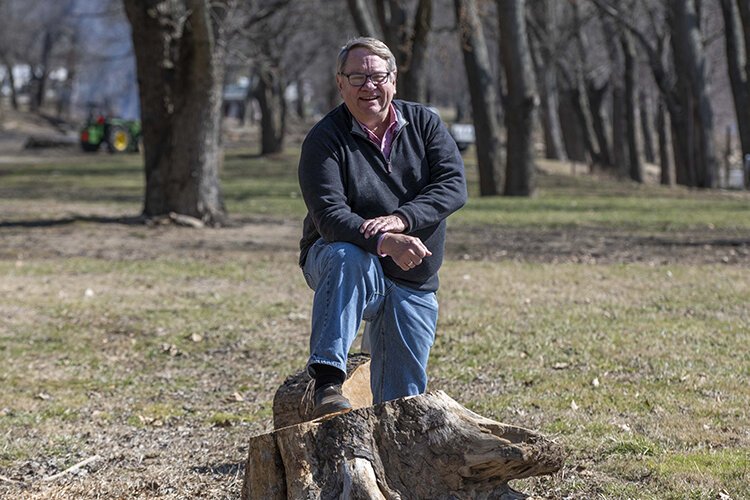
The William Henry Harrison Riverfront Park would be an $11 million project that pays homage to the history of the site, the stories of Harrison and his family, the indigenous people who populated the Ohio and Miami valleys, and the importance of the Ohio River to the region’s history and culture.
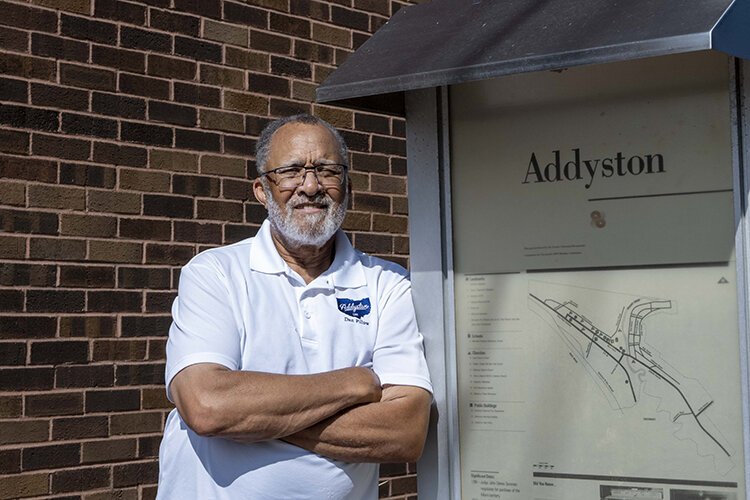
The affordable housing shortage is often thought of as a big-city problem, but first-ring suburbs also need investment to improve aging housing stock and encourage ownership.

Listening to clients cued Whitney Peek to identify how she might use her skills to support people as they enter the workforce, school and everyday life.
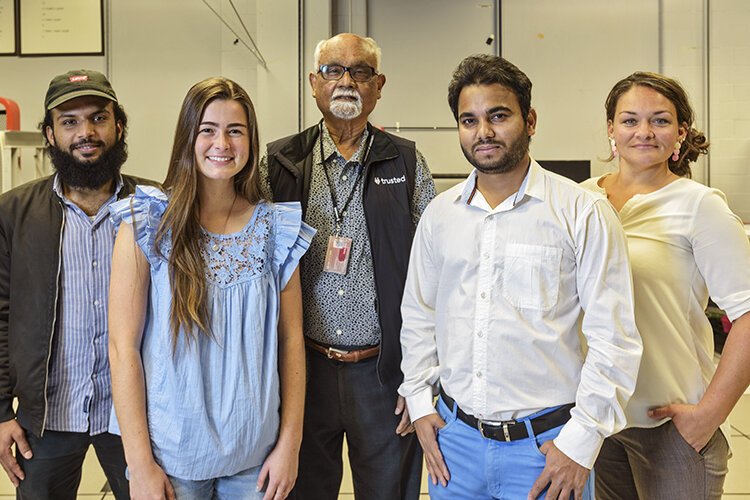
Covered in latex or water based paints applied by decades of homeowners, lead paint remnants remain hidden in the majority of American homes built prior to 1978.
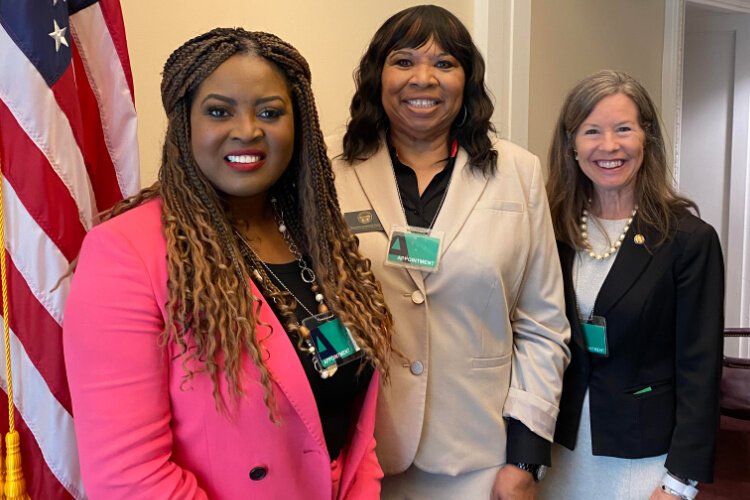
This money went towards immediate, long-term, and transformational needs.

A local gap persists between those with and without internet access, broadband and the right devices
Our Partners







Common Ground Is Brewing
Support local stories and receive our signature roast straight to your door when you join at the Standard level (or above).
Drink Better, Read Local
