
Are Ohio’s small villages serving their residents? A new law brings more scrutiny
It requires every village in the state to be evaluated to see if it should be considered for dissolution by the voters.
Founded in 1891 by Matthew Addy, the village of Addyston was originally incorporated in order to control its growing population. Many southerners came north around the turn of the century to work at the pipe foundry alongside communities of English, Germans and Irish who had settled there to build the canal. The quaint, historic building housing the post office at 111 Main Street has evolved over the years. It was once a barber shop, a pool hall, a restaurant and a bakery. Similarly, Addyston continues to roll with the times in order to proudly meet the changing needs of its small but mighty population – much of which still works close to home in its abundant manufacturing facilities.
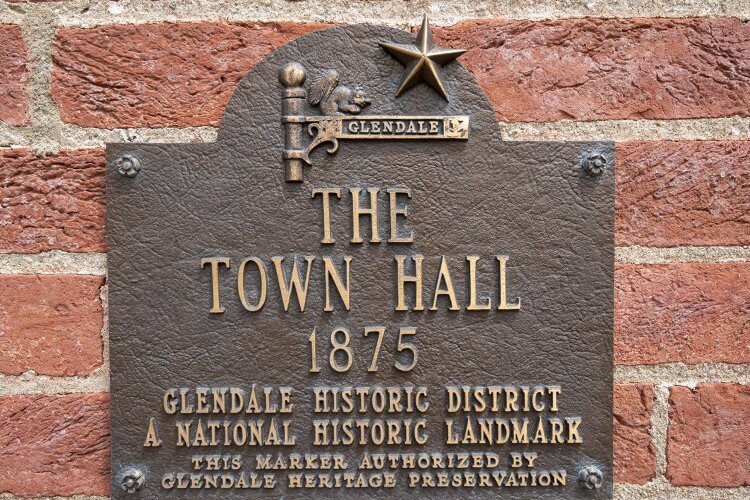
It requires every village in the state to be evaluated to see if it should be considered for dissolution by the voters.

Calls for medical care have increased 40-50% in some communities over 10 years while the population has remained stagnant.

Paying for fire protection and emergency medical services was on the ballot seven times in six different communities.
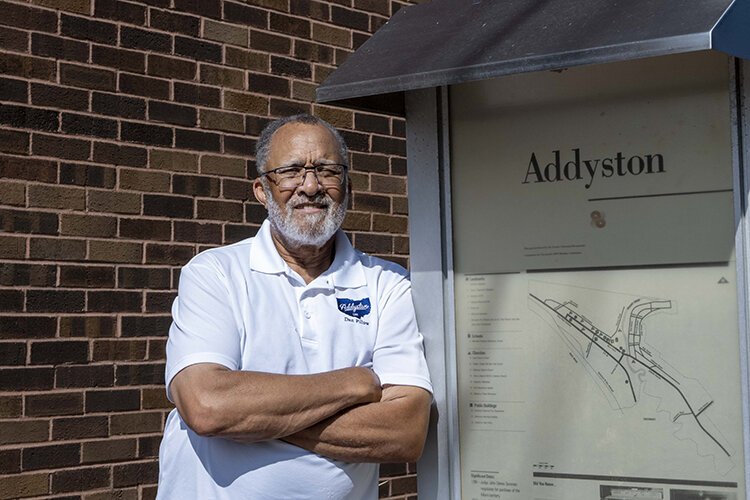
The affordable housing shortage is often thought of as a big-city problem, but first-ring suburbs also need investment to improve aging housing stock and encourage ownership.

For the towns, cities, villages, and townships around Greater Cincinnati, preparing for and responding to disasters is a priority, often accomplished with limited means.

Remote and hybrid employment has caused regional and commute considerations to become obsolete for some, creating an increased interest in neighborhoods that may have been overlooked.

The Jazz Hall of Fame honors contributors to the art form and to further jazz education through scholarships and mentoring.
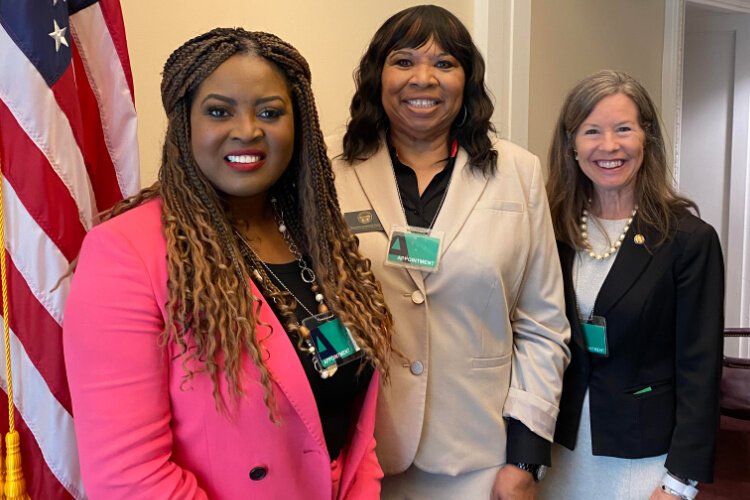
This money went towards immediate, long-term, and transformational needs.

A new series First Suburbs—Beyond Borders launches with a story that unpacks the crisscrossing lines of responsibility for systems relied upon by local residents.

A proposed charter amendment will allocate funds to support the city’s most vulnerable population.
Our Partners









Solutions journalism takes time, trust, and your support.